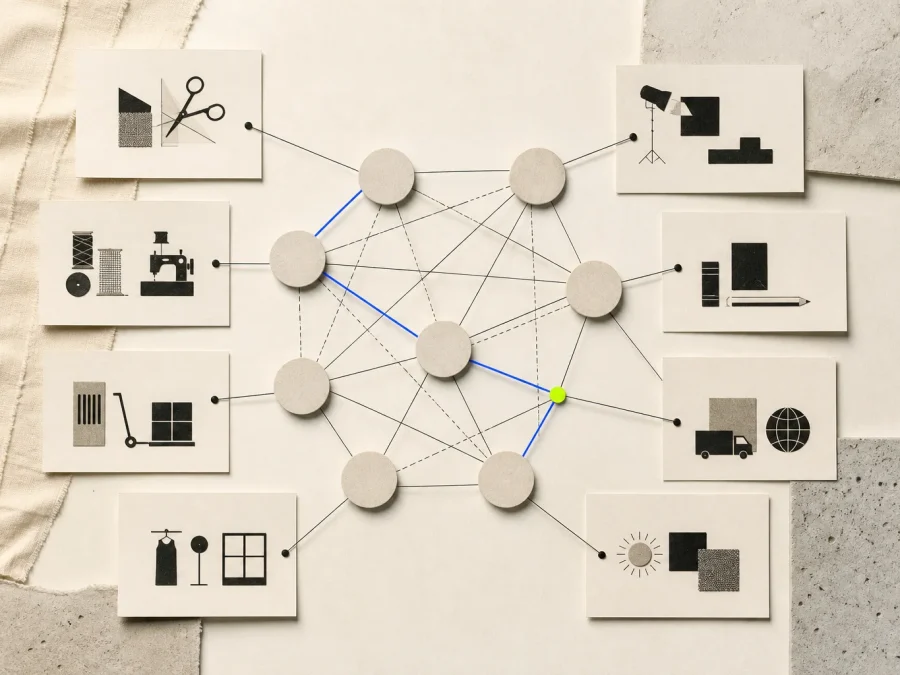
How Social Microtrends Become Store-Level Demand
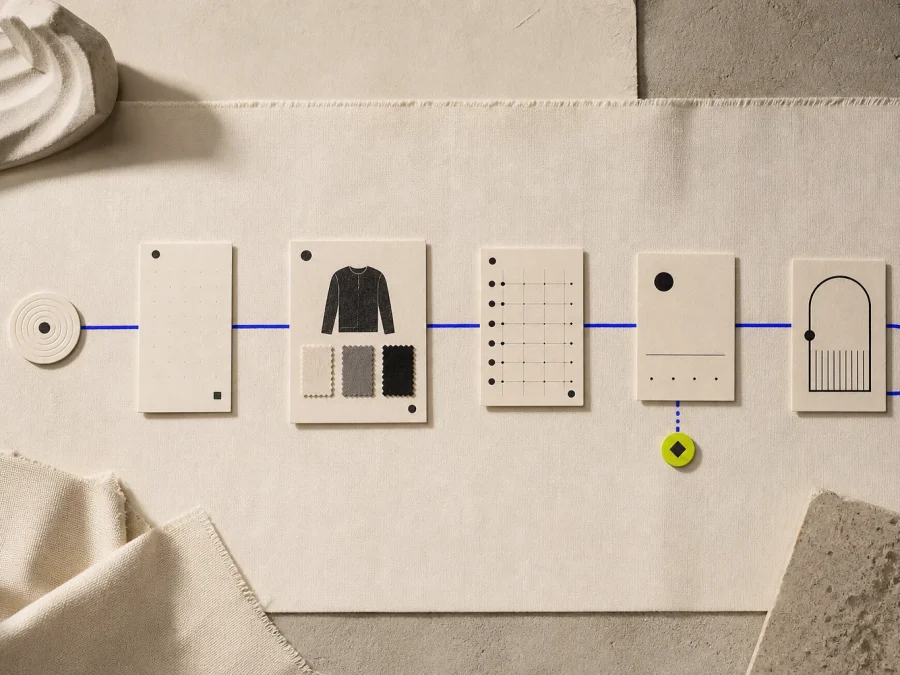
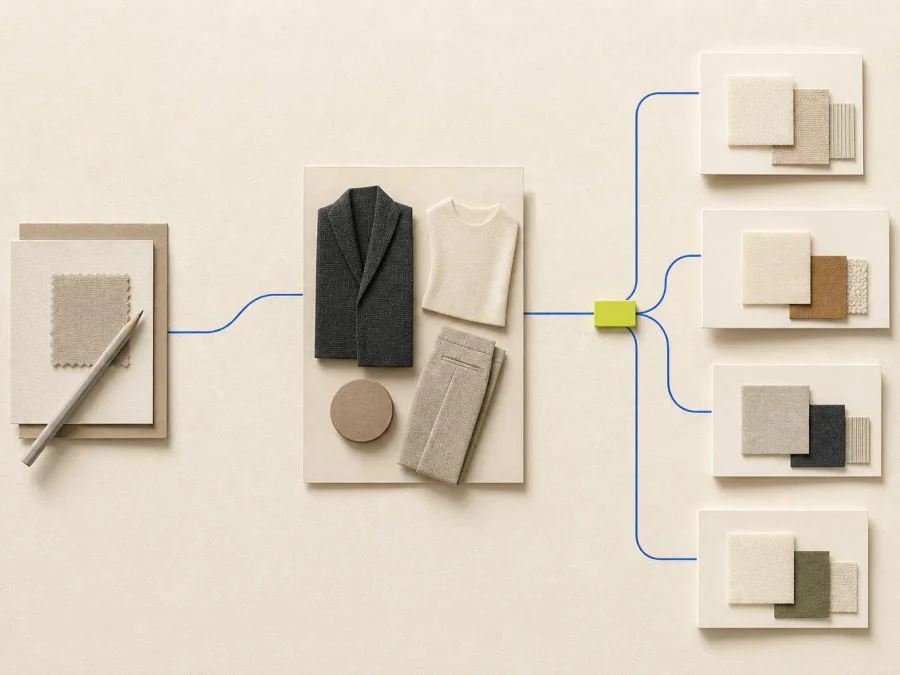
Social visibility can start a buying question, but it becomes store-level demand only after a dated signal, a matched product, available inventory, kept sales, and reorders survive separate checks.
Start with what’s new. Find the reporting that helps with your next decision.
Social visibility can start a buying question, but it becomes store-level demand only after a dated signal, a matched product, available inventory, kept sales, and reorders survive separate checks.
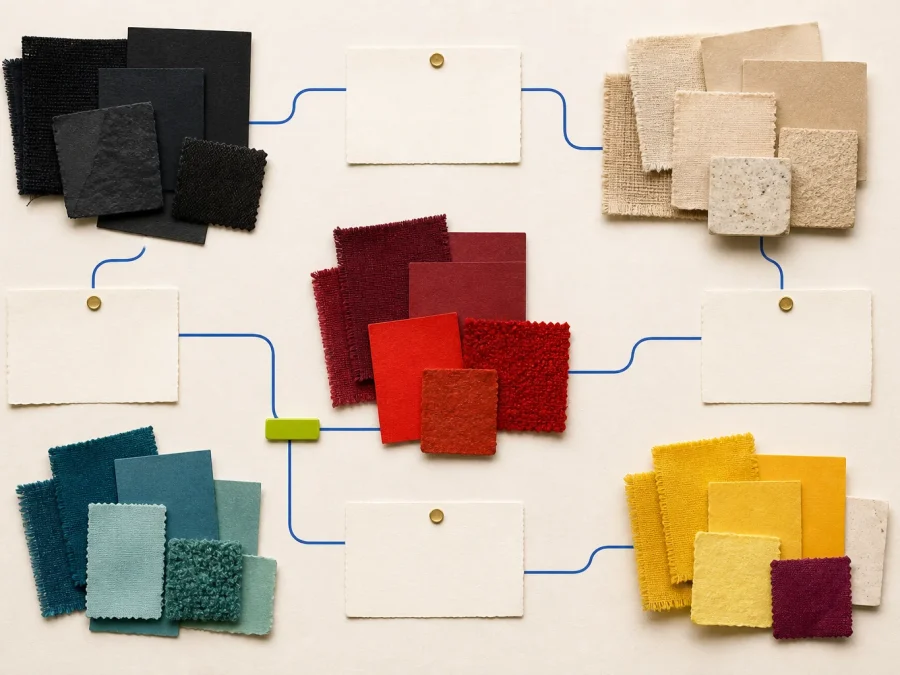
Five color families can organize a current buying study, but FashionMember has not yet interviewed buyers or verified orders; these are test hypotheses, not market winners.
Current brand language gives material and construction more explanatory weight, but that does not prove consumers are abandoning logos or paying for objectively better quality.
Public collections point to crescent, bucket, relaxed top-handle, layered clutch, and softened utility forms, but the runway-to-independent-retail pathway remains unverified.
Occasionwear flexibility can mean day-to-night use, modular styling, movement, and repeat wear—but public edits do not prove that customers or independent retailers have adopted it.
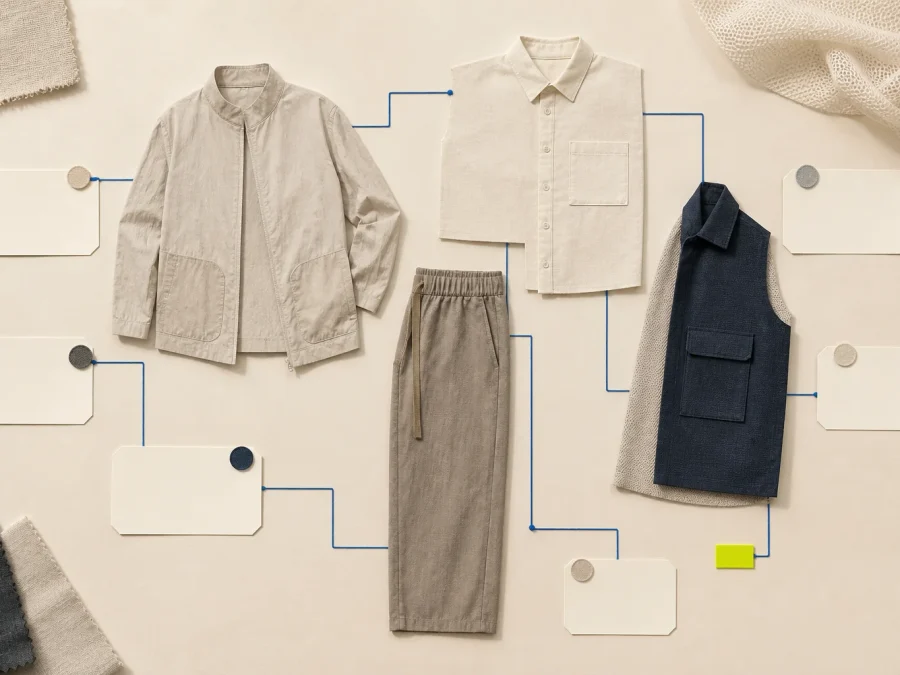
Current collection language suggests a fashion-workwear hypothesis built around lighter structure, adaptable layers, and pragmatic pieces—but real wearer and retailer evidence is still missing.
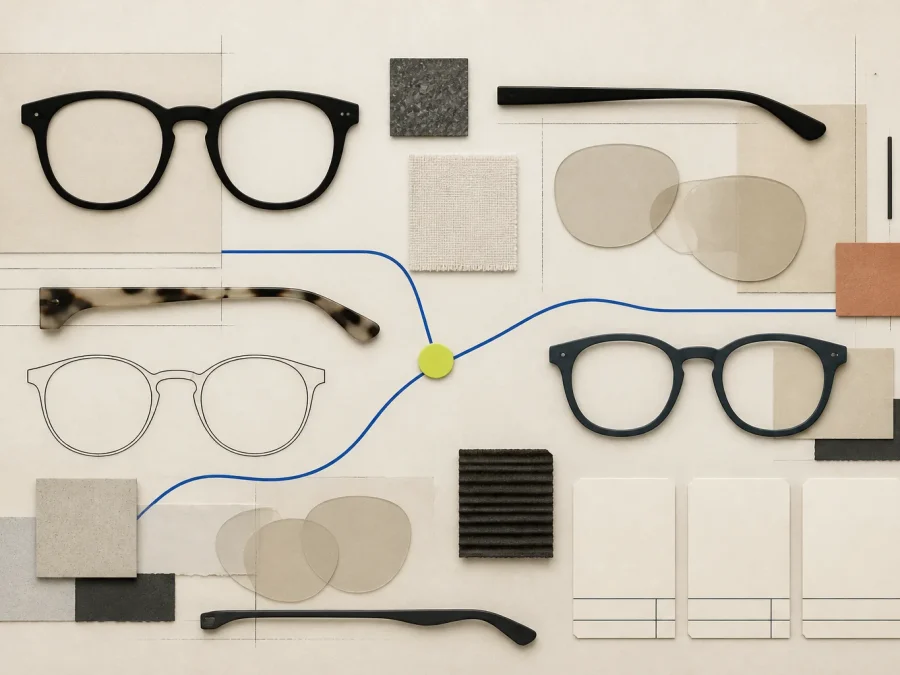
Smart glasses enter a category governed by face fit, optical service, social signals, care, and personal style before their software gets a chance to impress.
Everyday investment should mean verified identity, frequent use, maintainability, and a long ownership horizon—not promised appreciation, resale value, or financial return.
Real value combines total price, fit, use, care, durability evidence, repair, service, and a credible exit—not a crossed-out number or universal cost-per-wear claim.
Human styling services and AI-assisted discovery are making individualized wardrobes more visible, but service availability alone does not prove a consumer shift or a better outcome.
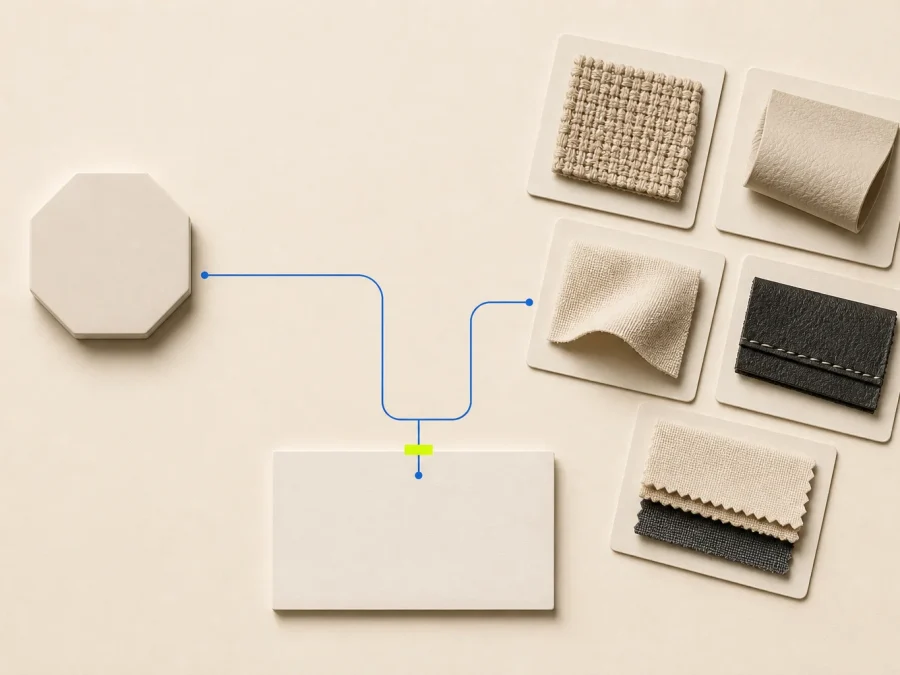
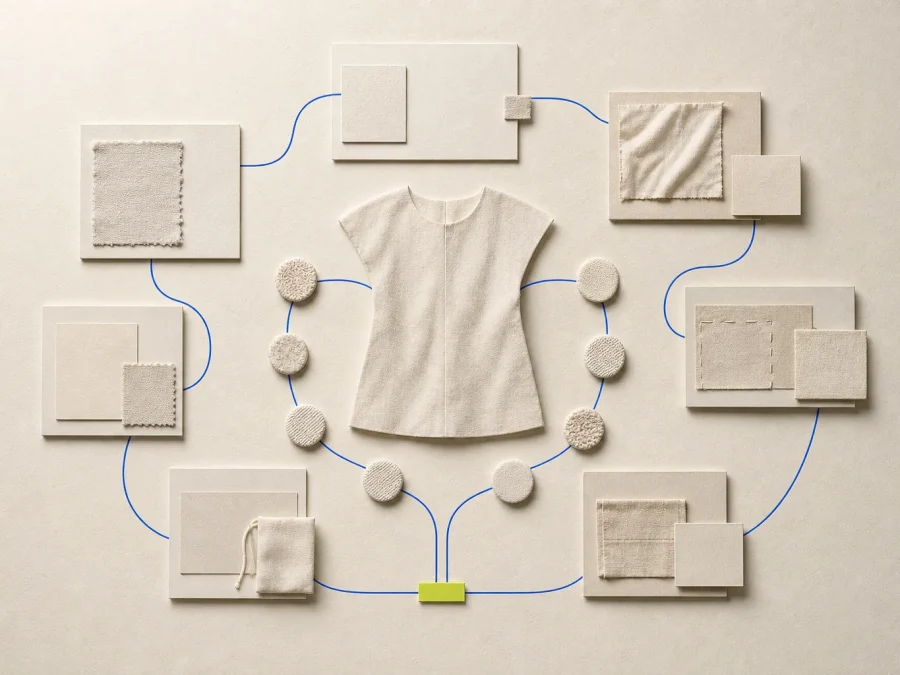
Texture is not replacing color. It is carrying more of the work across silhouette, product data, photography, touch, care, and perceived value—and each layer needs evidence.
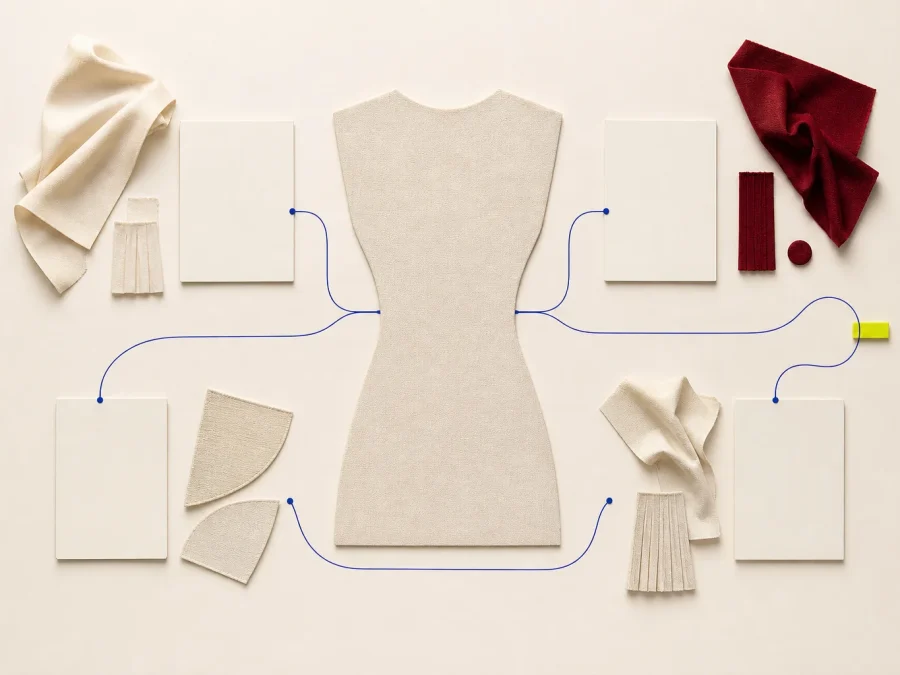
Early Spring and Cruise 2027 collection notes point toward controlled lines, adjustable volume, drape, and movement—but the public sample is too early to call a market-wide trend.