Trends Culture
Why Texture Is Becoming More Important Than Color
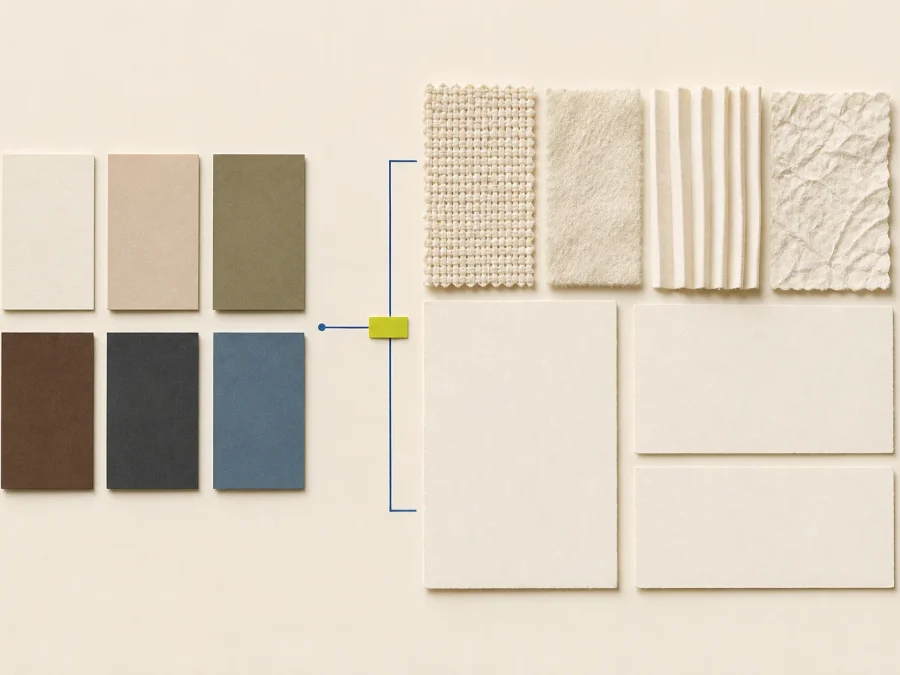
Texture is not replacing color. It is carrying more of the work across silhouette, product data, photography, touch, care, and perceived value—and each layer needs evidence.
Start with what’s new. Find the reporting that helps with your next decision.
Texture is not replacing color. It is carrying more of the work across silhouette, product data, photography, touch, care, and perceived value—and each layer needs evidence.
Early Spring and Cruise 2027 collection notes point toward controlled lines, adjustable volume, drape, and movement—but the public sample is too early to call a market-wide trend.
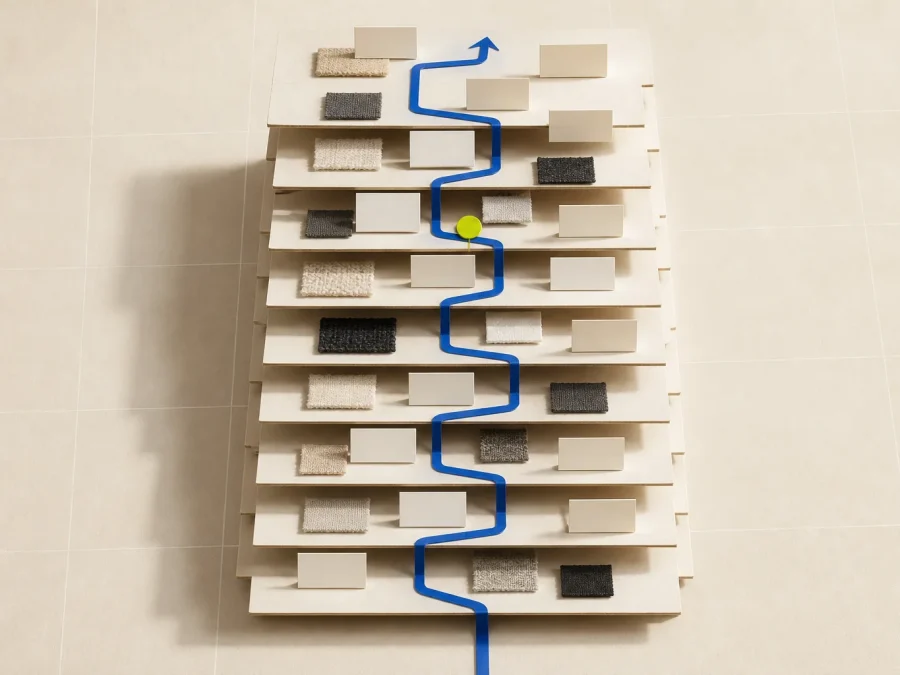
A twelve-floor showroom building rewards disciplined preparation: current registration, direct appointments, a floor-by-floor route, consistent product questions, and an evidence-based order handoff.

Treat Cooper Design Space as a planned sequence of verified appointments, not a directory to wander—confirm access, credentials, showrooms, product questions, and order authority before arrival.

A useful CMC visit starts before the lobby—with current buyer credentials, confirmed showroom appointments, a floor route, product questions, order controls, and a same-day source check.
The most credible near-term changes are not science-fiction interfaces. They are shifts in product data, agentic distribution, provenance, evaluation, regulation, virtual representation, and visible human control.
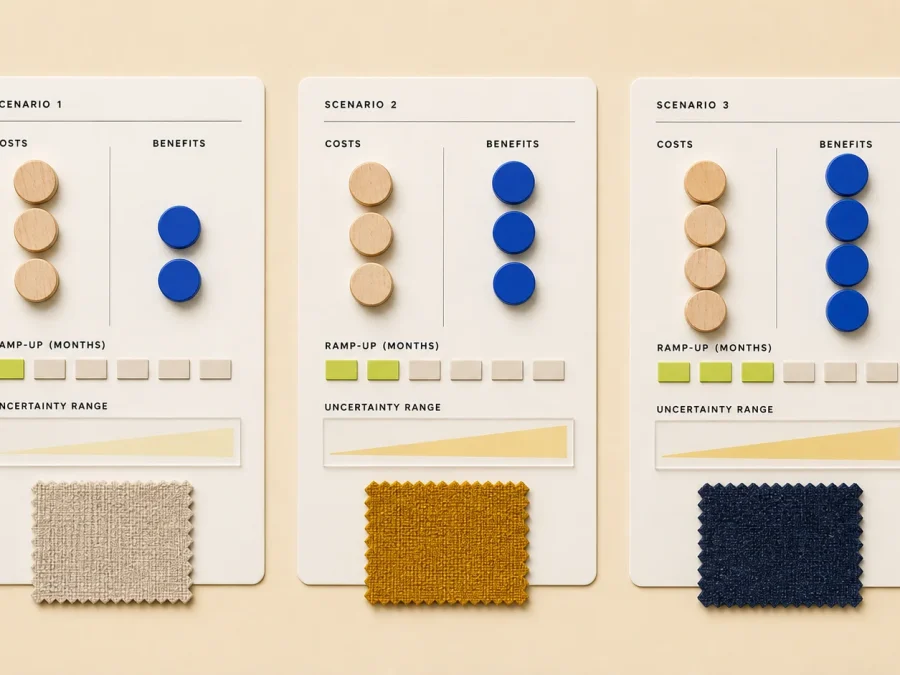
Measure incremental benefit against full project cost, include human oversight and ramp-up, run conservative and upside cases, and keep risk and customer outcomes beside the financial result.
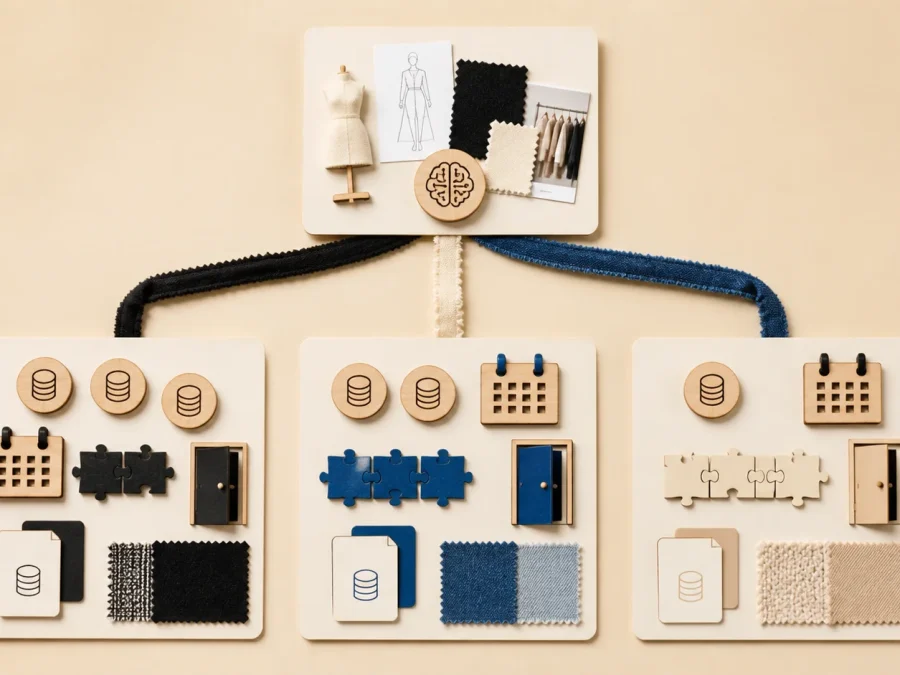
Compare the problem, data, integration, control, talent, lifecycle cost, and exit—not feature lists alone. Buying may still require substantial internal work, while building creates a permanent operating obligation.

Start with the fashion use case and data flow, demand evidence for claims and controls, run a bounded test, align promises with contract language, and design the exit before the tool becomes essential.
A usable policy names owners, inventories tools and data, separates low- and high-impact uses, sets evidence and disclosure rules, and gives people authority to pause or appeal a system.

The durable work is familiar: publish original fashion evidence, build clear pages, make media accessible, expose accurate facts, earn trust, and measure through first-party search data—not speculative AI-ranking scores.

Useful image metadata is a stack: accessible HTML, page context, product markup, commerce feeds, rights records, and synthetic-media provenance. One field cannot do every job.