Business Retail
Paris, Beyond the Runway
TRANOÏ, Premiere Classe and SPHERE put the commercial side of the season in focus. For an independent store, the useful question is what happens after discovery.
The decisions behind the shop floor: pricing, assortment, wholesale, and how customers buy.
TRANOÏ, Premiere Classe and SPHERE put the commercial side of the season in focus. For an independent store, the useful question is what happens after discovery.
eBay and the CFDA are bringing archival American fashion to a September 9 livestream. The opportunity for smaller sellers lies in the information surrounding each garment—not simply the excitement of an auction.
A $134.5 million tariff refund lifted Lululemon’s second-quarter gross margin by 560 basis points. Strip out that disclosed effect and the quarter tells a much harder story about demand, product relevance, and the difference between cash recovery and repeatable retail economics.
Administrators estimate that unsecured creditors of the former Harvey Nichols trading company are owed £270.5 million and may recover up to 15 percent. For fashion suppliers, the filing turns a familiar lesson into an operating requirement: an accepted order is not collected cash.
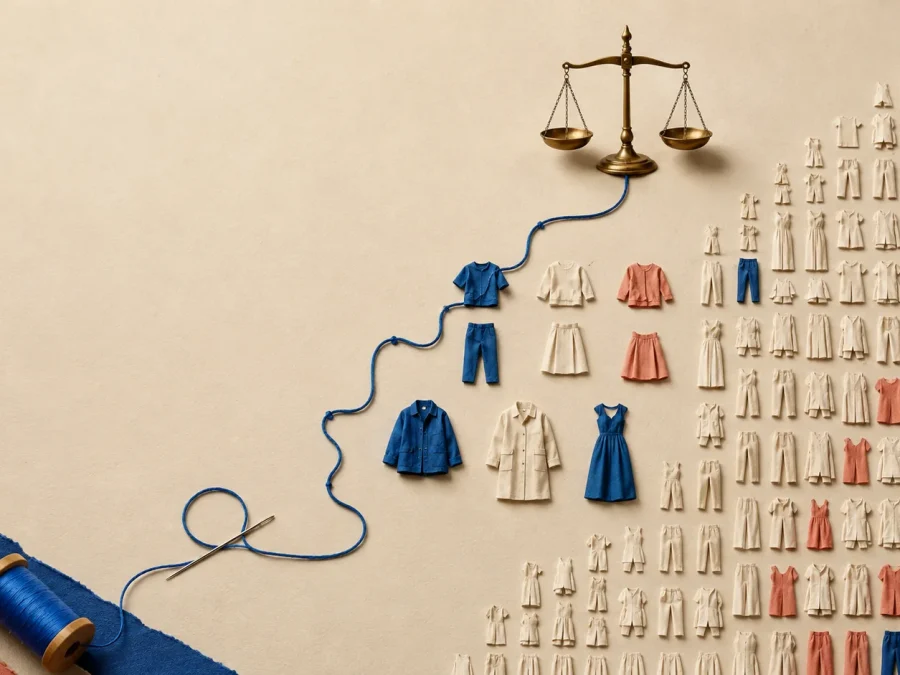
France now links an apparel producer’s environmental contribution to the breadth of its range and the economics of repair. The practical consequence is a new kind of product record: catalog size, price, category, and repair evidence must agree.
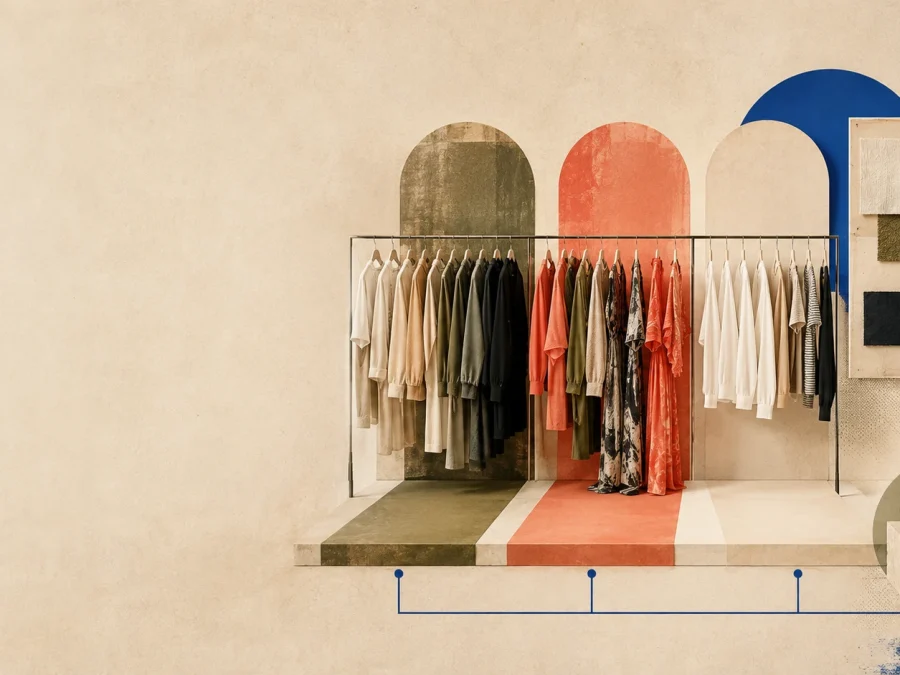
Sales were still down, but July improved as Torrid rebuilt the balance between core, fashion, and opening-price-point product. The next question is whether that mix can create durable value without leaning on promotions.
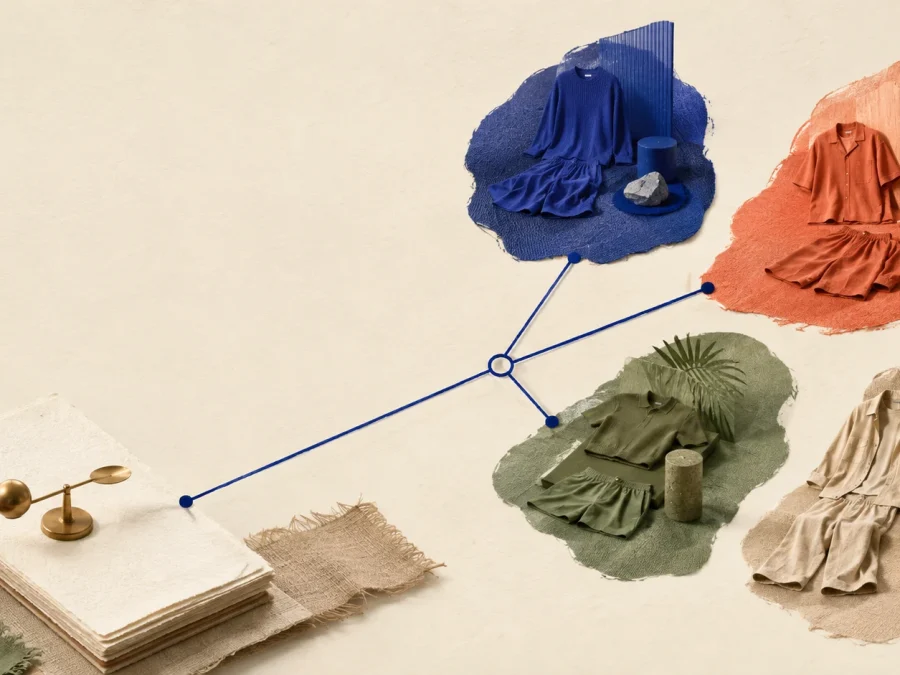
Tommy Bahama held up while Lilly Pulitzer and Johnny Was shrank. The next test is whether product, pricing, and marketing changes can do more than a temporary tariff refund or a heavier promotional calendar.

Journeys posted a modest comparable-sales gain, but Genesco’s quarter is really about channel divergence, fewer stores, and the work required after a one-time tariff refund.

A 10% sales increase and a higher full-year outlook are real progress, but a large tariff refund makes the quarter a lesson in separating brand momentum from temporary profit.

G-III and WHP Global’s September 1 closing shows how fashion ownership can split creative control, operating work, and licensing economics—and where the seams become obligations.