Materials & Sourcing
The LA Buyer’s Fall Shortlist
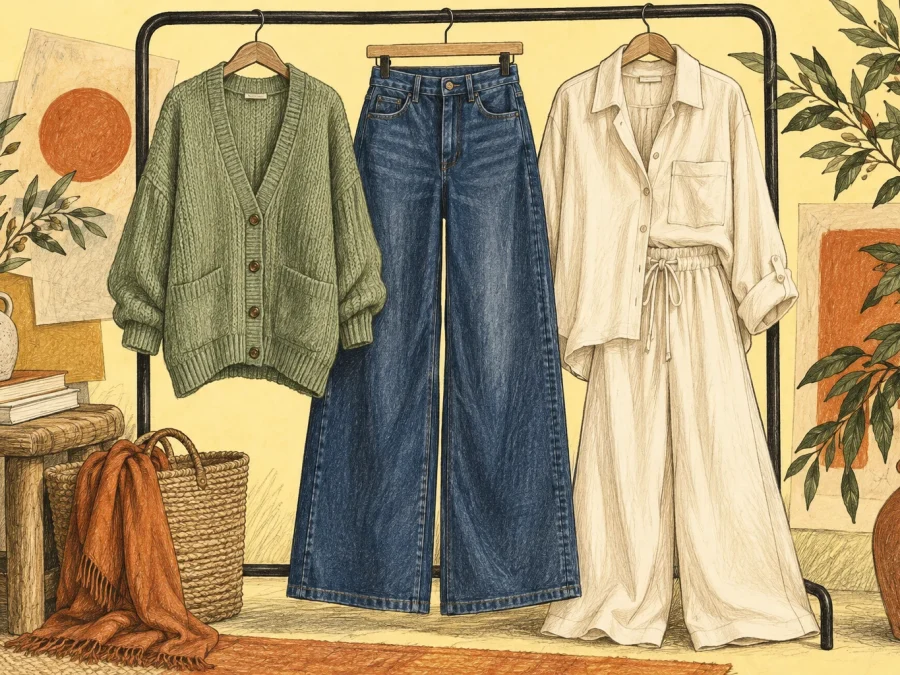
Relaxed sets, wide-leg denim, soft tailoring and adaptable layers deserve a closer look. Here is how to turn dated demand signals into a disciplined LA buying brief.
From a material claim to a production decision. Read our sourcing guides, supplier questions, and manufacturing analysis.
Relaxed sets, wide-leg denim, soft tailoring and adaptable layers deserve a closer look. Here is how to turn dated demand signals into a disciplined LA buying brief.
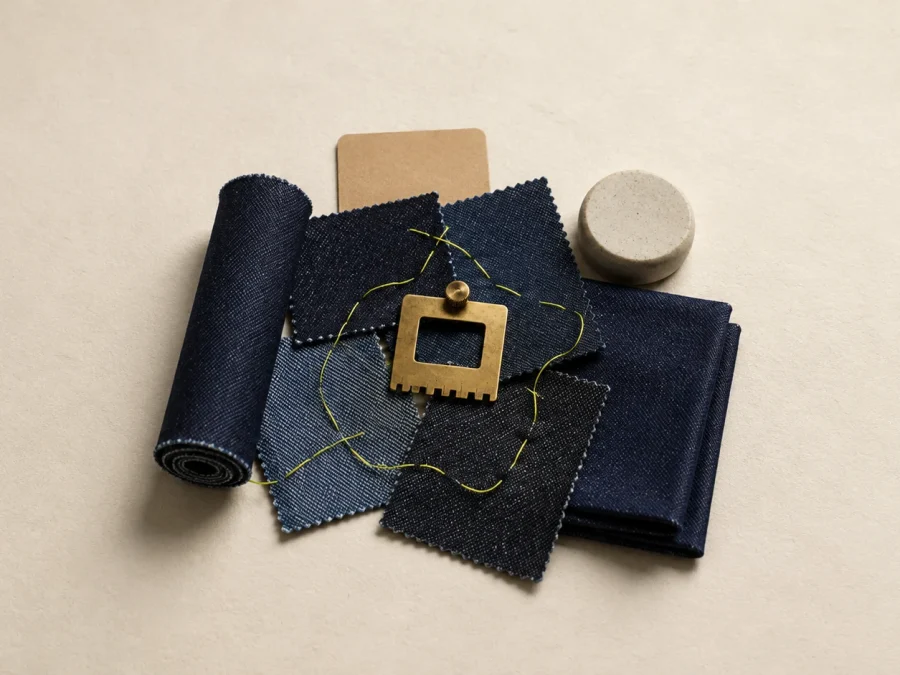
Cone Denim says it will exit denim manufacturing in China by year-end 2026 and focus its manufacturing platform in Mexico. For fashion buyers, the useful response is a fabric-by-fabric transition record—not an assumption that a country change preserves the same cloth, origin treatment, price, or delivery.
A new sector estimate puts 2024 apparel emissions at 1.004 gigatonnes even as individual companies report progress. The useful reading is not that factory projects failed; it is that brands need to reconcile material volume with carbon intensity on the same operating bridge.
A New Jersey law signed on August 27 reaches apparel and diaper products in 2028; the immediate task for brands is to make “intentionally added PFAS” a traceable material decision, not a marketing promise.
CFDA and the Bezos Earth Fund have put more than half a million dollars behind 12 student designers; the meaningful test is whether support can travel from an experimental studio into durable practice.
Kearney’s new benchmark shows circularity scores moving up, but the harder work is still turning public signals into product, service, and end-of-life evidence.
ALLIED’s September audit gives brands a process-level number; the buying decision still depends on scope, comparison data, traceability, and the finished jacket.
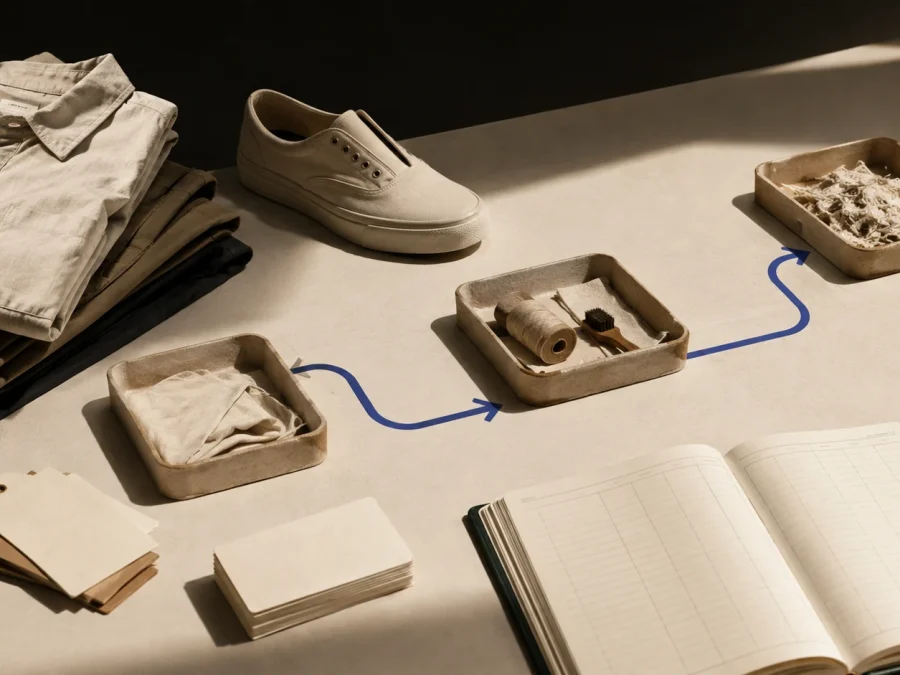
The July 2026 ESPR deadline turns unsold clothing, accessories, and footwear into a documented disposition problem, not a year-end clean-up task.

Replace the single label “sustainable” with a set of smaller questions about product scope, materials, workers, durability, evidence, and what the brand has not proved.
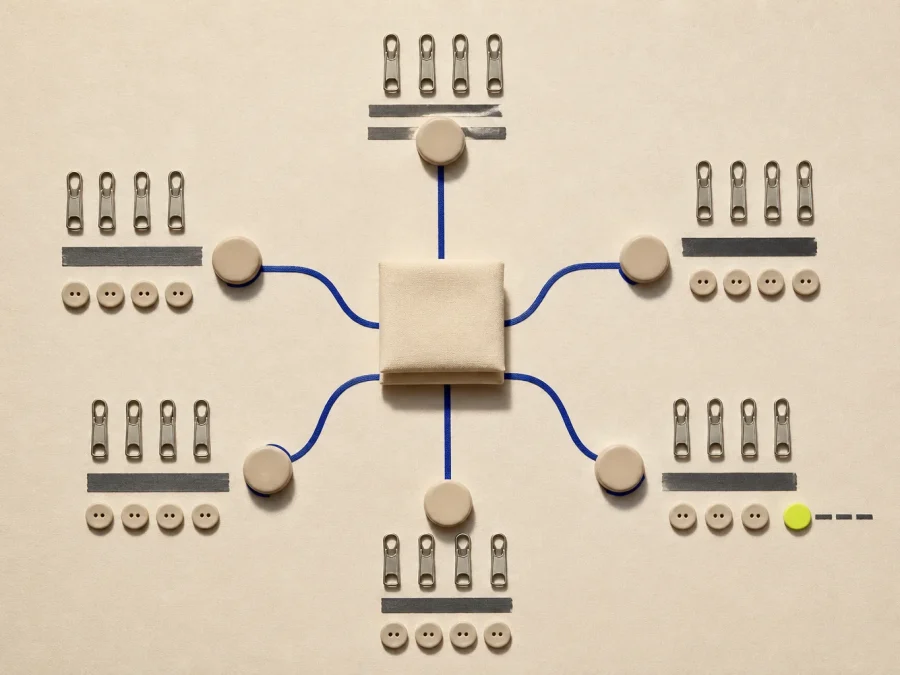
A low-cost button, zipper, label, elastic, cord, or package can sit on the critical path when specification, color, minimum, approval, testing, production, transit, receiving, and change control are not planned together.