
Materials & Sourcing
How to Build a Useful Materials Library
Give every physical sample a stable identity, verified metadata, evidence links, storage location, rights state, review date, and clear route to quarantine or disposal.
From a material claim to a production decision. Read our sourcing guides, supplier questions, and manufacturing analysis.
Give every physical sample a stable identity, verified metadata, evidence links, storage location, rights state, review date, and clear route to quarantine or disposal.

Local production is a product-by-product operating model built from process, people, capacity, cost, traceability, and evidence. “Made in Los Angeles” cannot substitute for that record—or for a supportable origin claim.
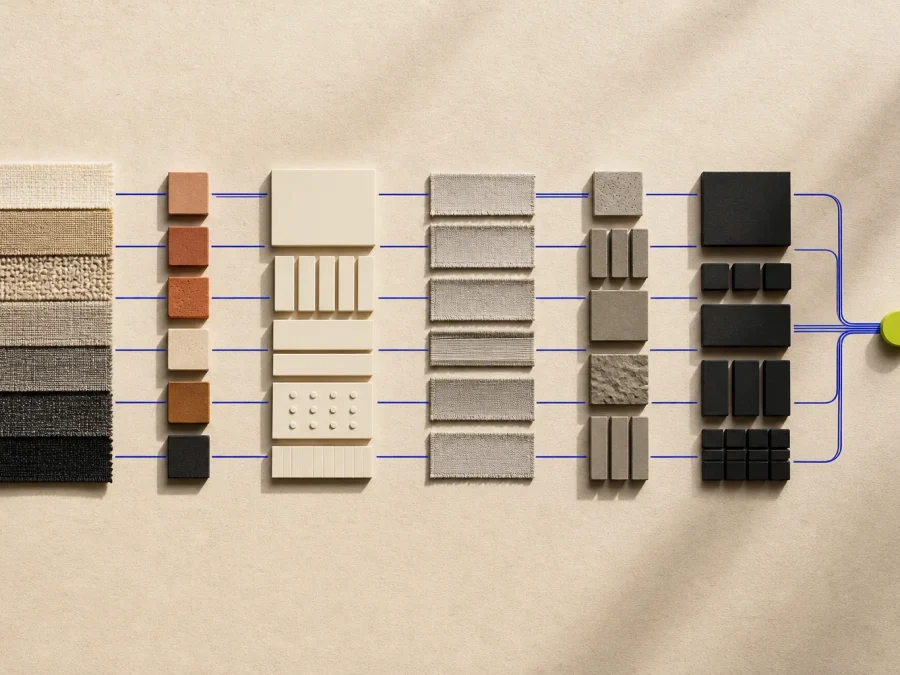
Material and sewing minutes matter, but setup, run size, lawful loaded labor, efficiency evidence, rework, quality, packing, overhead, and change control determine whether a cost view is usable.
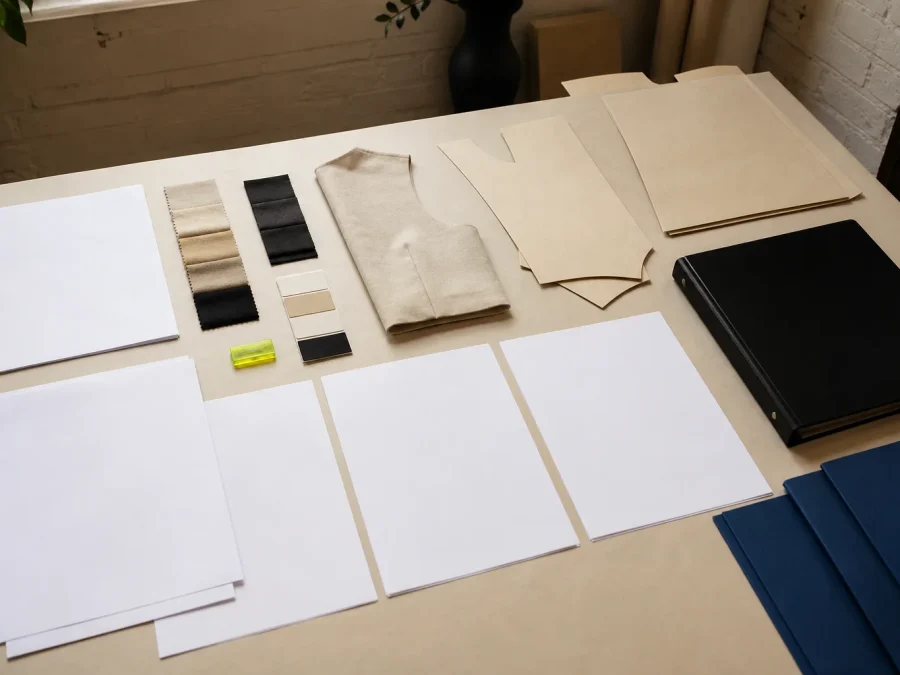
A tech pack becomes useful when every page describes the same approved product, carries a version, and connects construction, labels, testing, and changes to accountable decisions.
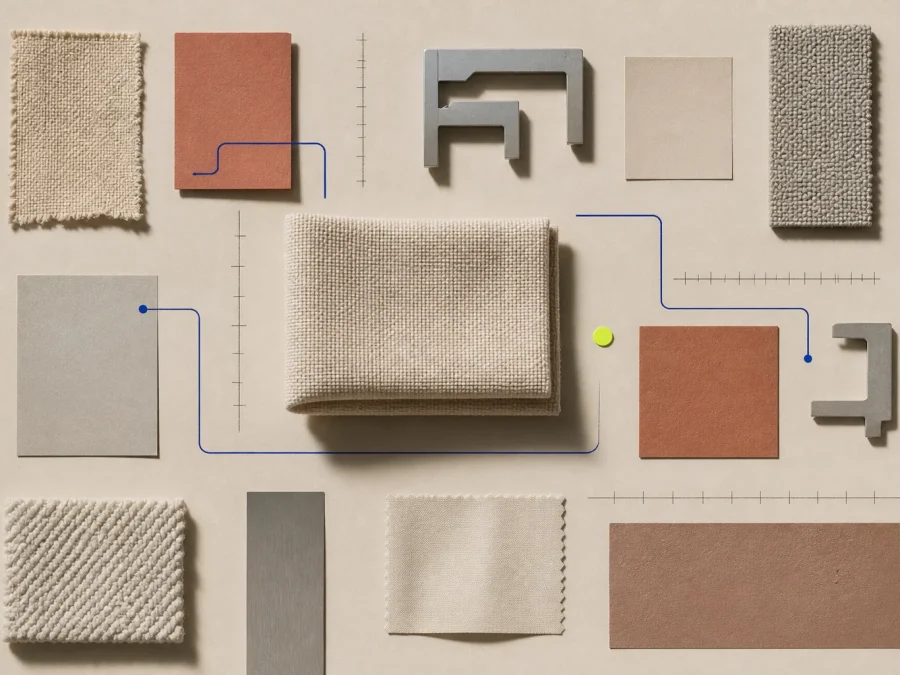
A usable fabric specification connects identity, construction, measurable properties, test methods, intended use, claims, care, sample provenance, tolerances, and accountable approval.

Small lots reduce the number of units available to absorb setup and defects, but they do not justify an invented sampling shortcut. Prioritize specification, first piece, change control, risk, traceable inspection, and qualified disposition.

A factory conversation should establish identity, locations, registration, processes, capacity, subcontracting, worker conditions, safety, quality, traceability, product responsibility, commercial terms, and correction routes before an order.