Materials & Sourcing
Why Traceability Starts With Better Purchase Orders
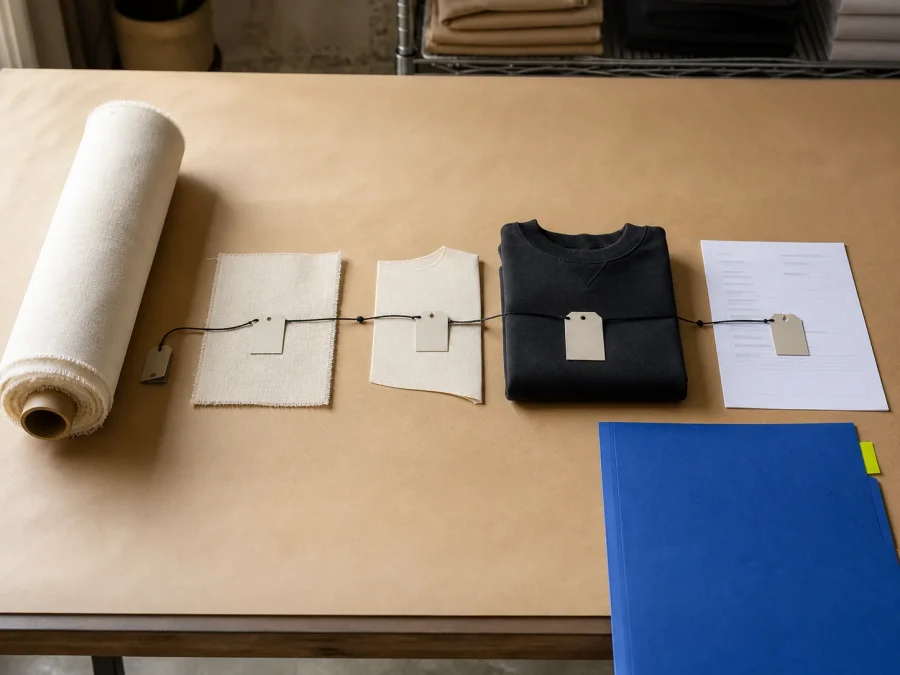
A purchase order cannot prove an entire supply chain, but it can create the identifiers, evidence requests, and change controls that make later tracing possible.
From a material claim to a production decision. Read our sourcing guides, supplier questions, and manufacturing analysis.
A purchase order cannot prove an entire supply chain, but it can create the identifiers, evidence requests, and change controls that make later tracing possible.

Onboarding is a versioned evidence process covering identity, ownership, facilities, capability, subcontracting, labor, safety, quality, traceability, trade, data access, incidents, contracts, and ongoing review—not a one-time score.
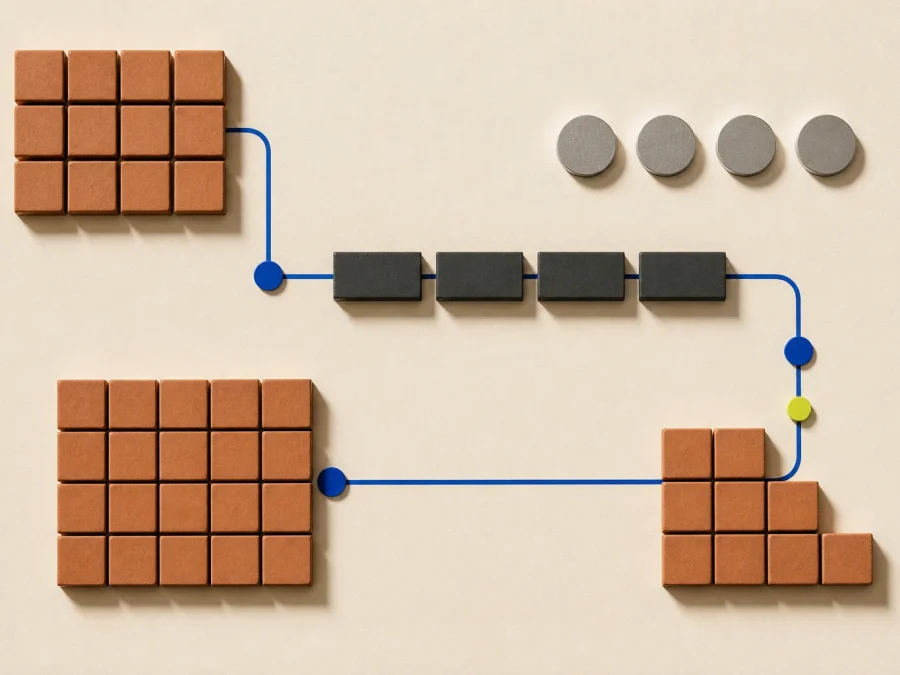
Minimum order, minimum color, and lead time are not isolated supplier fields. Together they determine assortment depth, cash exposure, packaging, approvals, change risk, and the date a product can responsibly be promised.
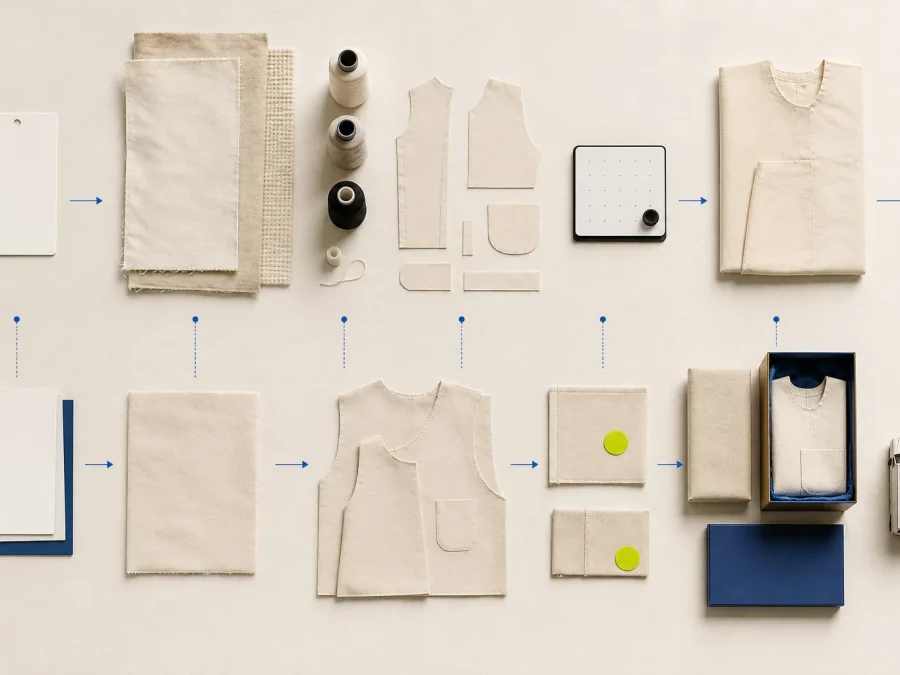
On-demand production does not remove inventory, setup, quality, capacity, or customer-promise risk; it relocates those decisions into a faster operating system that must be measured end to end.

Treat every environmental material claim as a small evidence system: define the exact statement, product scope, calculation, supplier record, approval, and expiration date before it reaches a label or product page.

A certification name or supplier email is not a complete claim file. Brands need a defined scope, percentage, material identity, current chain-of-custody evidence, and approved wording.
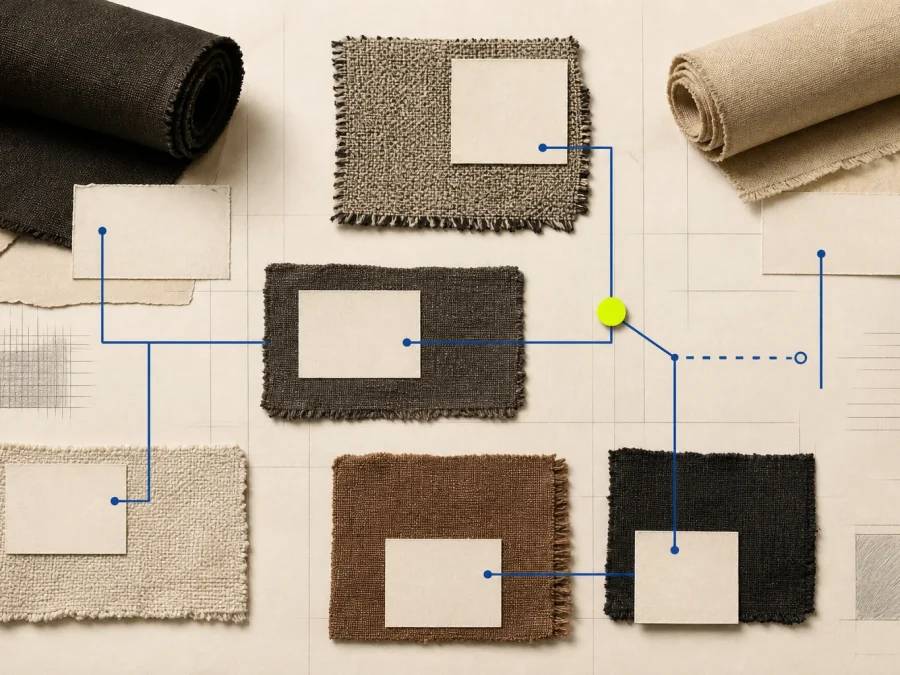
An existing fabric lot can create distinctive small-run opportunity, but only after ownership, composition, quantity, condition, testing, traceability, claims, and replacement risk are made visible.
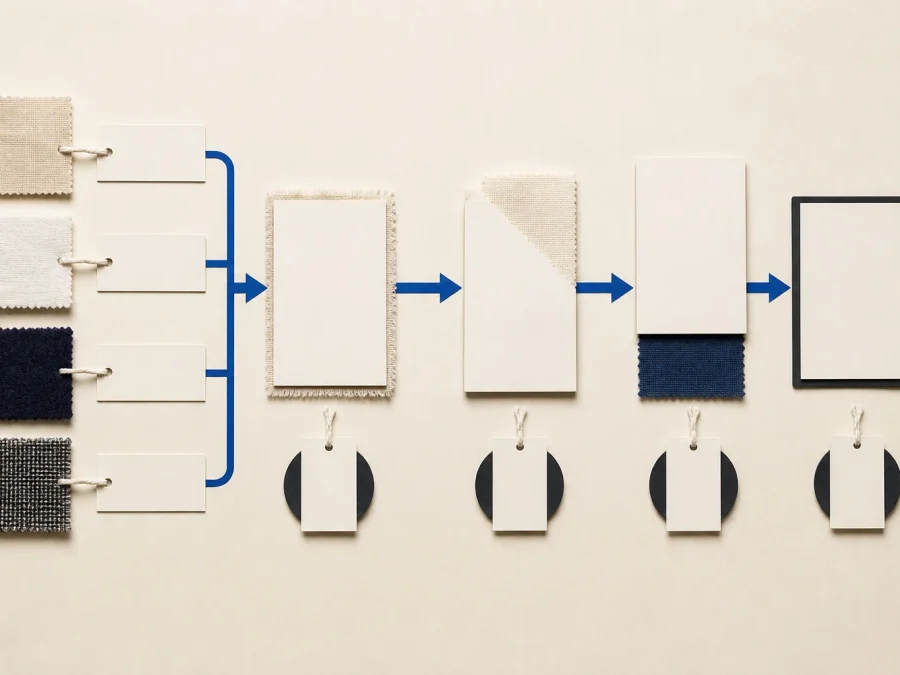
Lower minimums work when the buyer reduces avoidable complexity, defines the exact lot and approval path, and protects material, construction, testing, labeling, traceability, capacity, change, and cash controls.
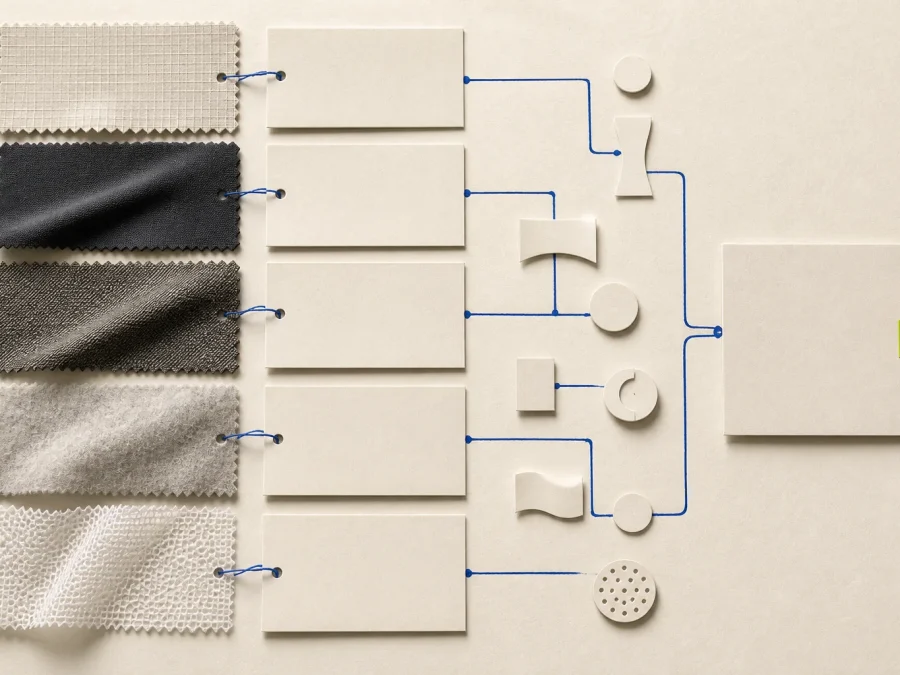
Premium hand is not one lab value. It emerges from a defined use, controlled specimens, measurable construction and performance, sensory evaluation, garment engineering, and honest claims.

Map the product, market, use, claims, and failure consequences first; then select current methods, representative lots, qualified laboratories, decision limits, and retest triggers.