Trends Culture
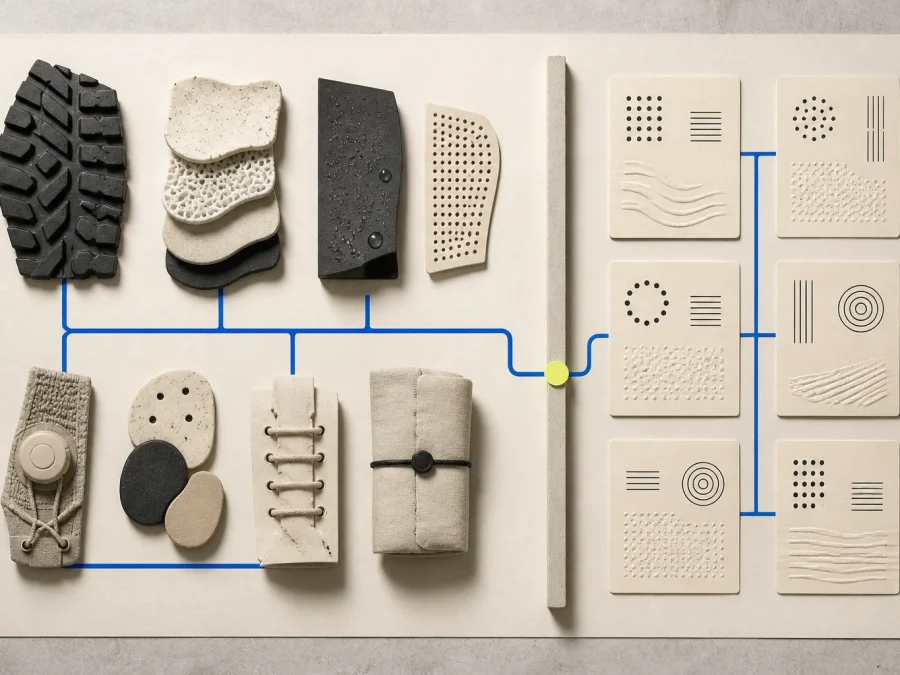
Footwear’s Shift Toward Hybrid Utility
Trail-derived sneakers, recovery-like slip-ons, clogs, work-coded soles, and fashion materials can cross categories, but utility must be defined and tested for the exact product and use.
Start with what’s new. Find the reporting that helps with your next decision.
Trail-derived sneakers, recovery-like slip-ons, clogs, work-coded soles, and fashion materials can cross categories, but utility must be defined and tested for the exact product and use.
A responsible reissue connects an identified archive object to rights, provenance, product changes, materials, fit, care, claims, and an exact retail version rather than relying on nostalgia.
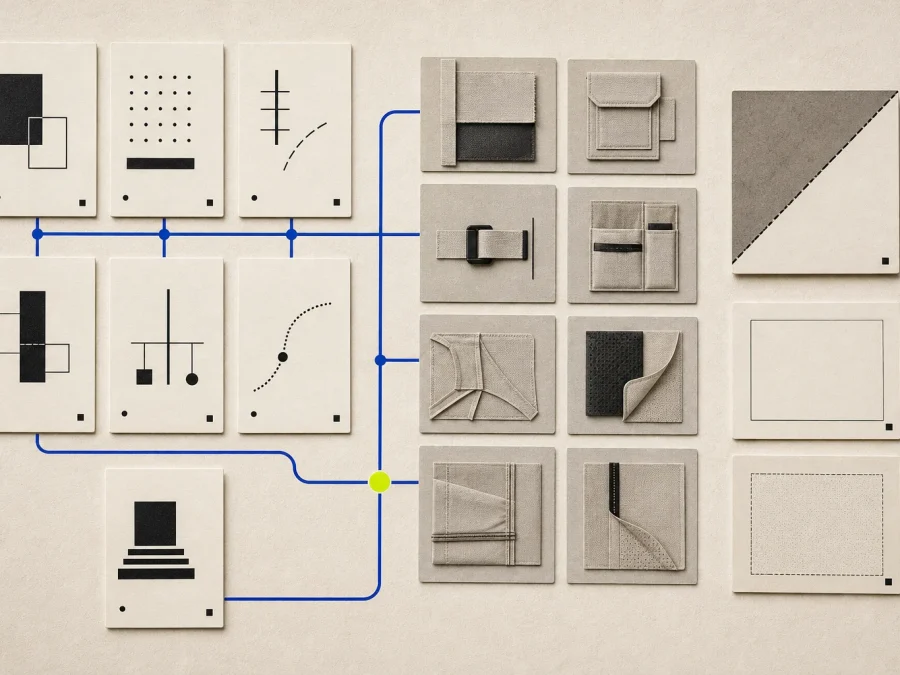
Creative work does not have one new uniform. Clothing needs change across screen work, studio making, fittings, location days, installation, travel, public presentation, and safety-regulated tasks.

Music scenes can create recognizable dress languages and direct merchandise channels, but public visibility is not proof that a scene caused store-level fashion demand.
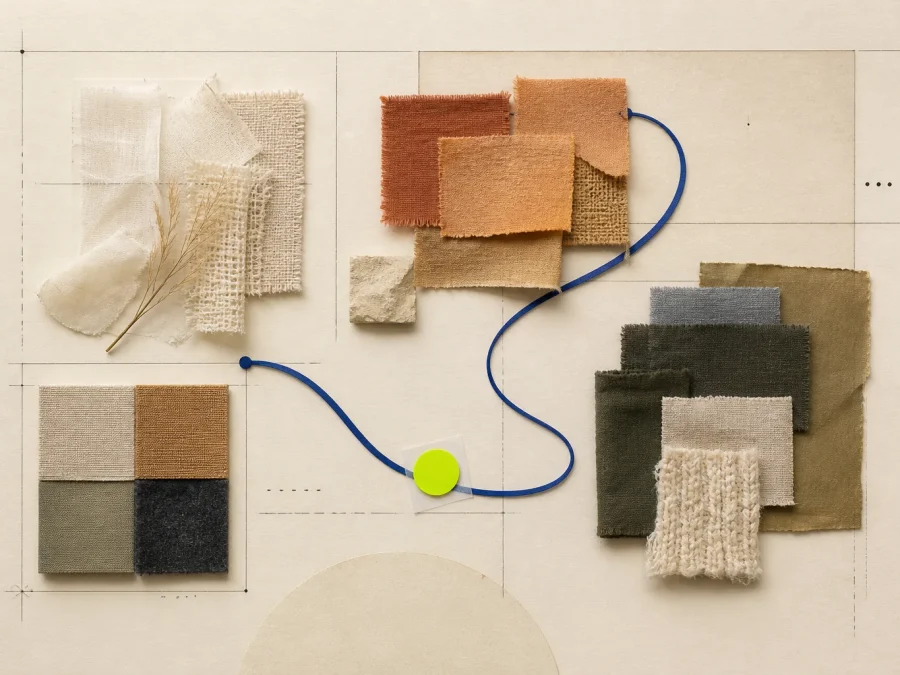
Climate information can improve a fashion plan only when long-term baselines, near-term forecasts, observed demand, inventory flexibility, and customer promises stay separate.
Self-gifting is a purchase motive, not a demographic or checkout field. FashionMember needs consented customer evidence and product-level retail records before it can say which accessory categories are growing around it.
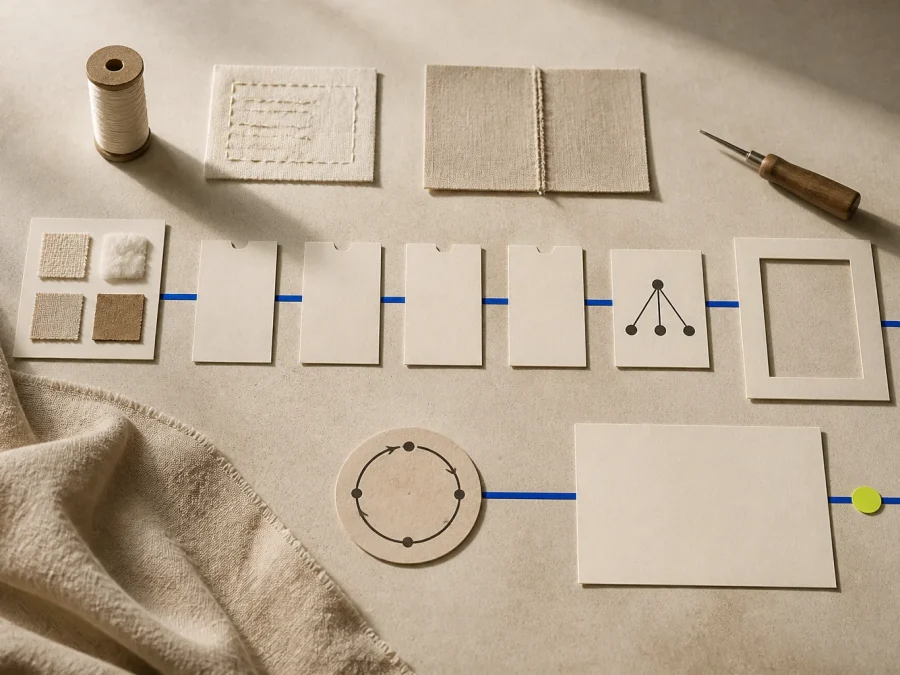
Visible making can invite confidence, but craft becomes a credible trust signal only when the maker, process, materials, labor, subcontracting, origin, care, and claims are traceable.
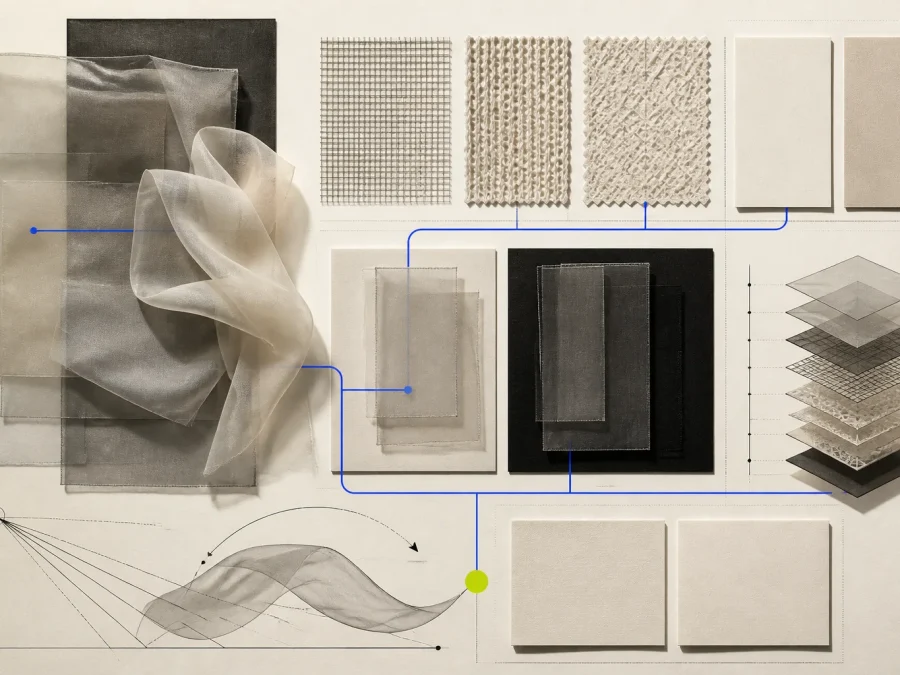
Sheer dressing is not one exposure level or one product category; material, construction, underlayers, light, movement, fit, and total-look cost determine what a customer actually receives.
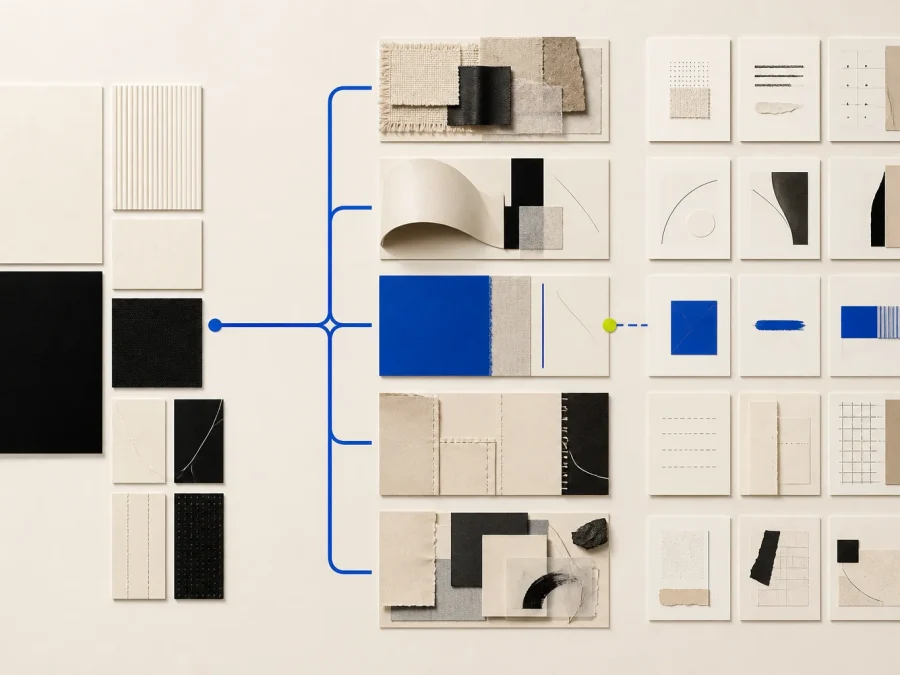
The next design language is unlikely to be one maximalist reversal; independent brands are combining restraint with expressive material, volume, color, construction, and narrative under real business constraints.
Denim now supports a wider language of loose, straight, relaxed, tapered, and rise-specific fits, but public product pages alone cannot prove that one shape is replacing another.
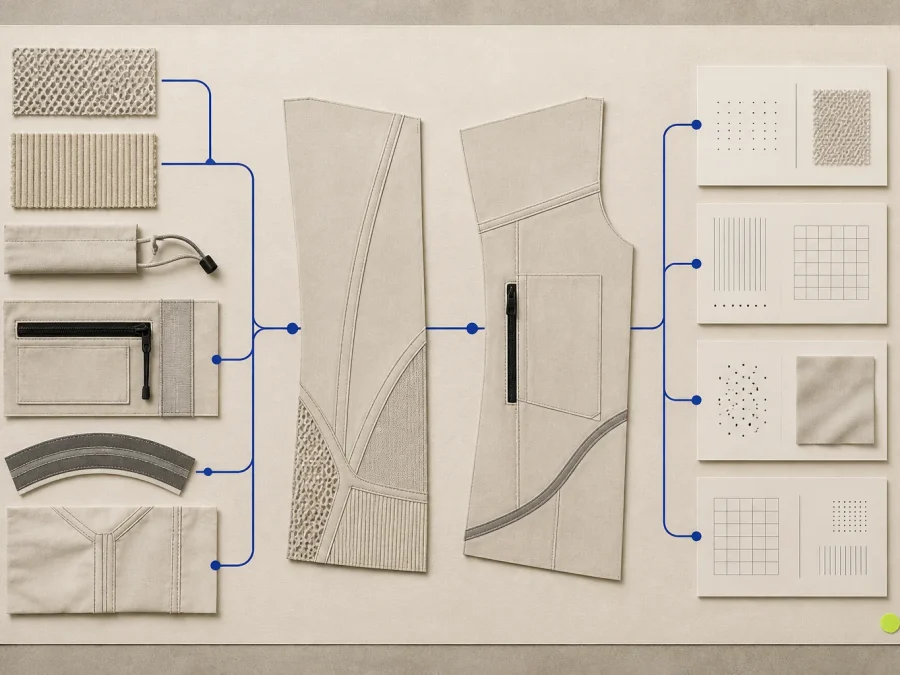
Athletic construction and styling now appear in wider fashion contexts, but an athletic reference is not proof that a garment performs under sport, safety, or health conditions.
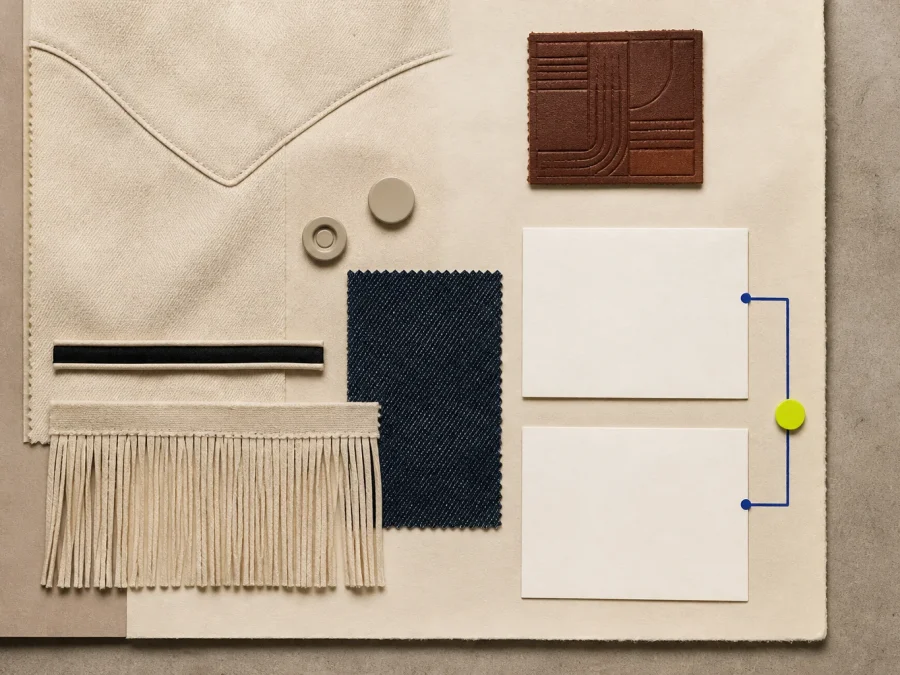
Western details recur through work, identity, entertainment, vintage reference, and product cycles, but FashionMember has not yet verified how widely Los Angeles retailers or customers are adopting them now.