Trends Culture
How Climate Is Changing Seasonal Merchandising
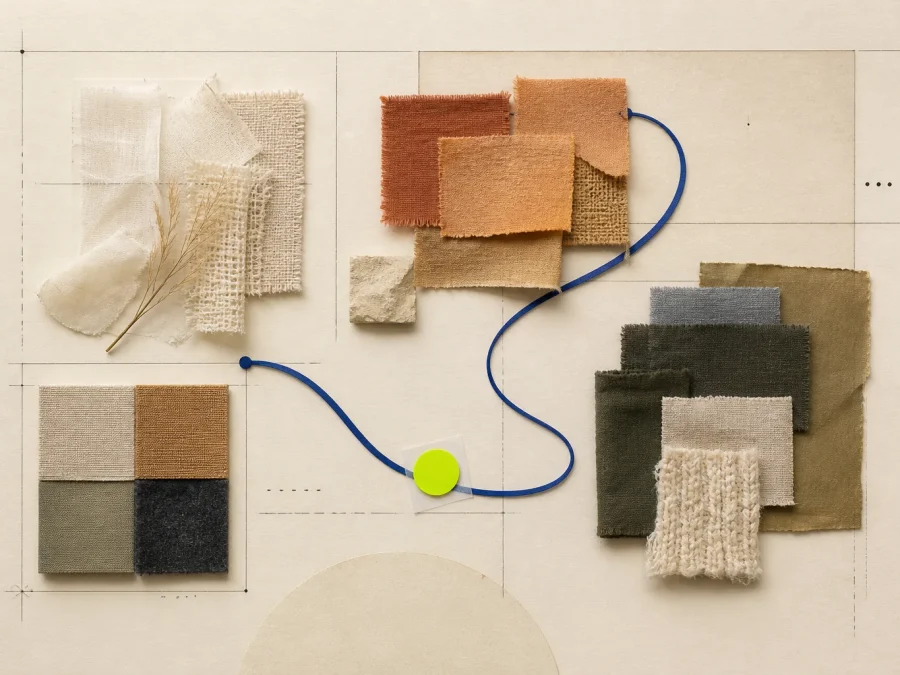
Climate information can improve a fashion plan only when long-term baselines, near-term forecasts, observed demand, inventory flexibility, and customer promises stay separate.
The cultural shifts, product ideas, and buying questions shaping the next fashion season.
Climate information can improve a fashion plan only when long-term baselines, near-term forecasts, observed demand, inventory flexibility, and customer promises stay separate.
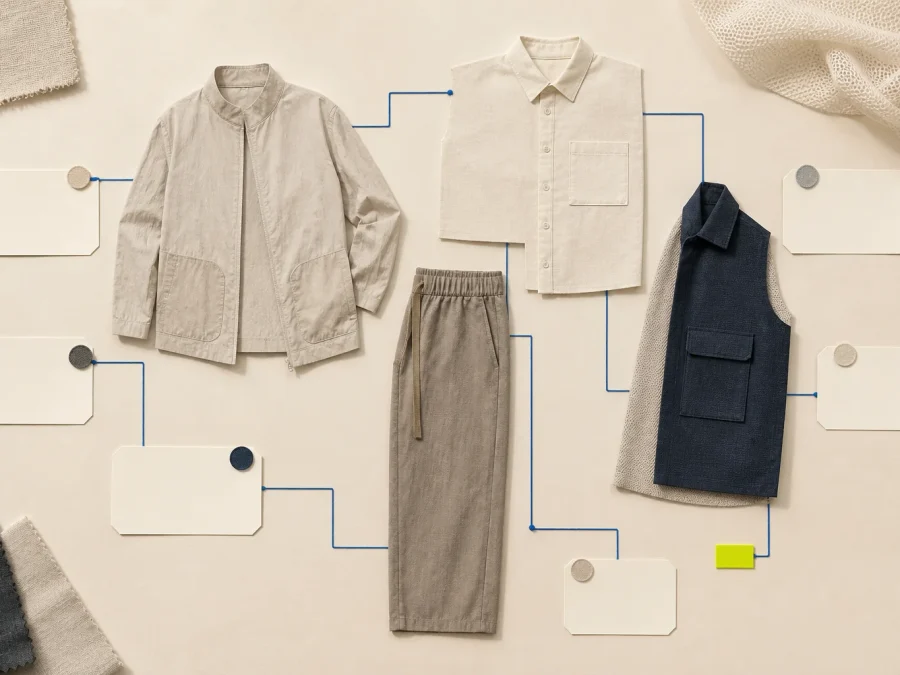
Current collection language suggests a fashion-workwear hypothesis built around lighter structure, adaptable layers, and pragmatic pieces—but real wearer and retailer evidence is still missing.
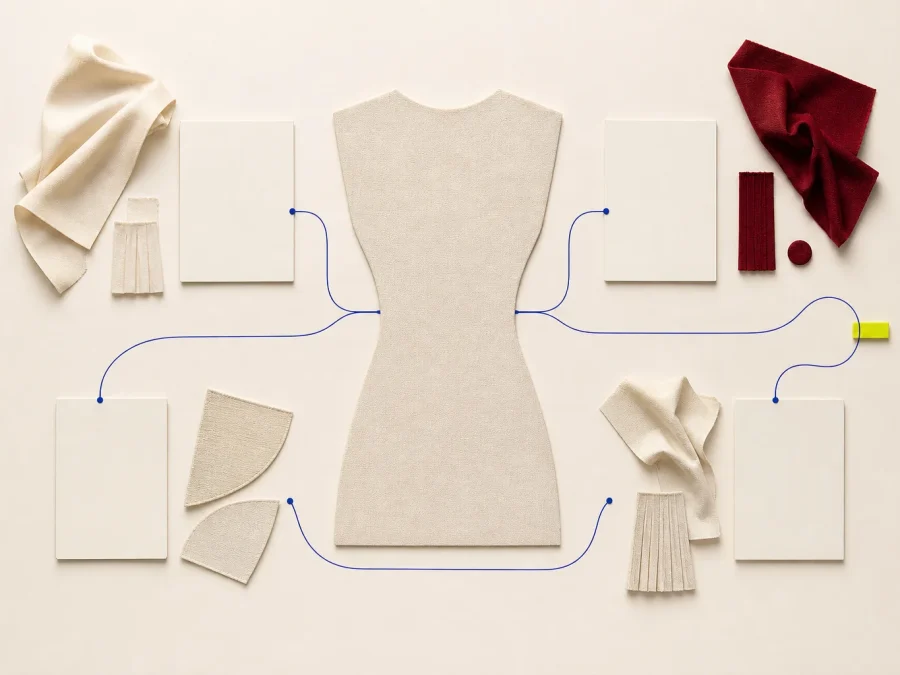
Occasionwear flexibility can mean day-to-night use, modular styling, movement, and repeat wear—but public edits do not prove that customers or independent retailers have adopted it.
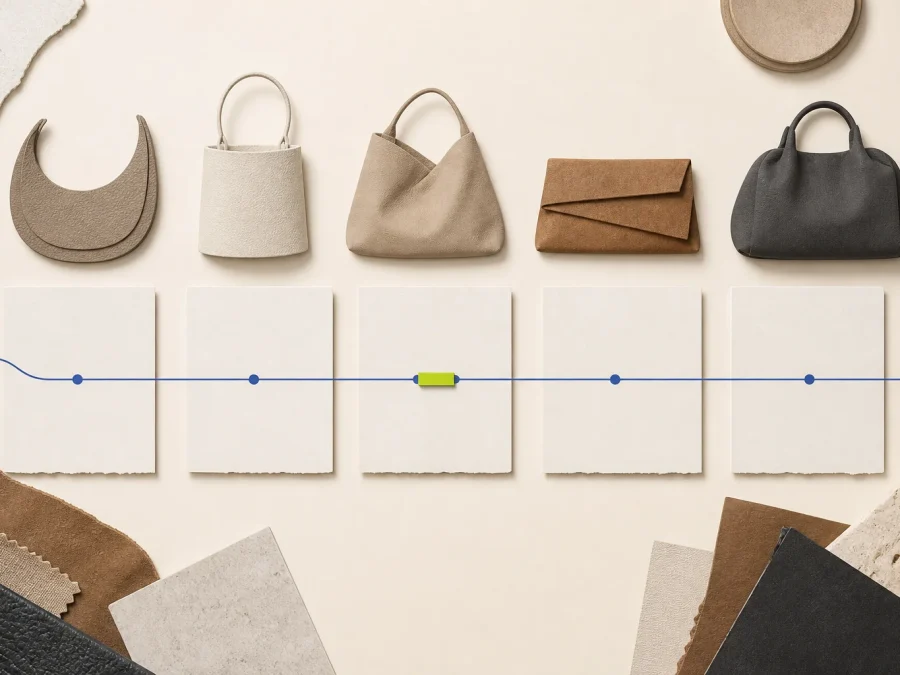
Public collections point to crescent, bucket, relaxed top-handle, layered clutch, and softened utility forms, but the runway-to-independent-retail pathway remains unverified.
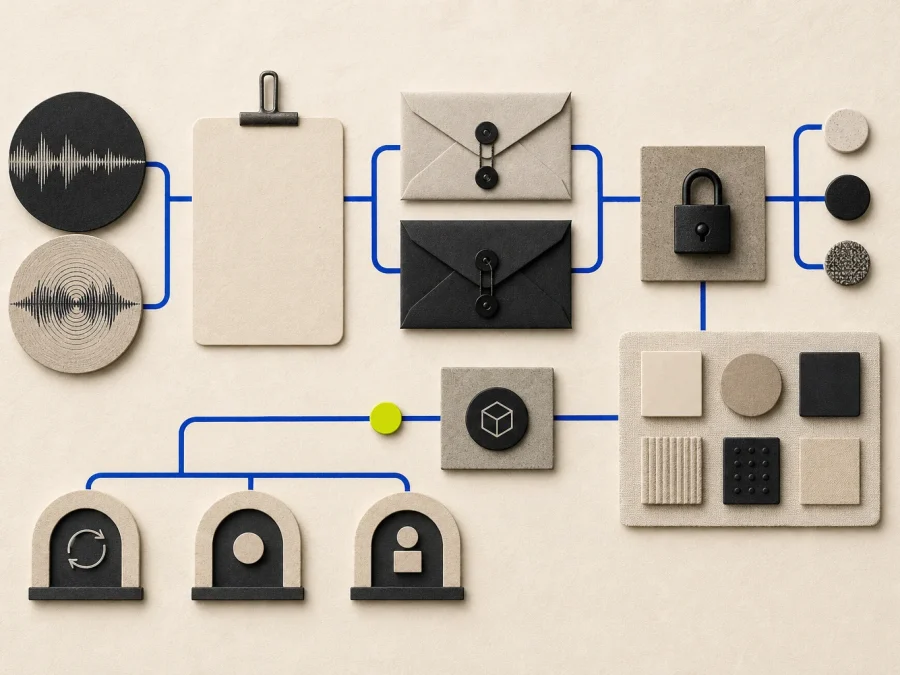
Music scenes can create recognizable dress languages and direct merchandise channels, but public visibility is not proof that a scene caused store-level fashion demand.
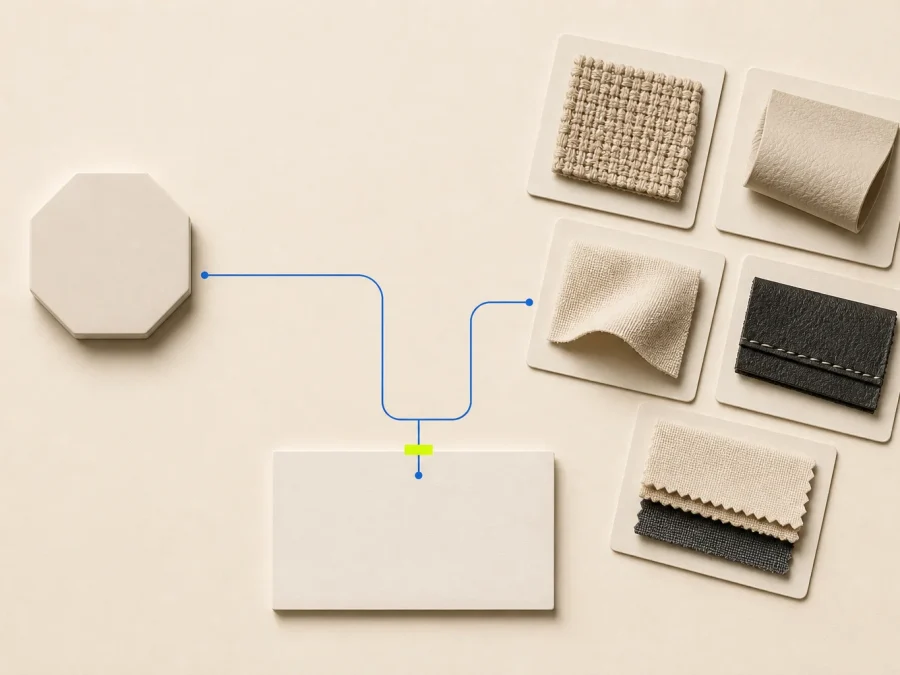
Current brand language gives material and construction more explanatory weight, but that does not prove consumers are abandoning logos or paying for objectively better quality.
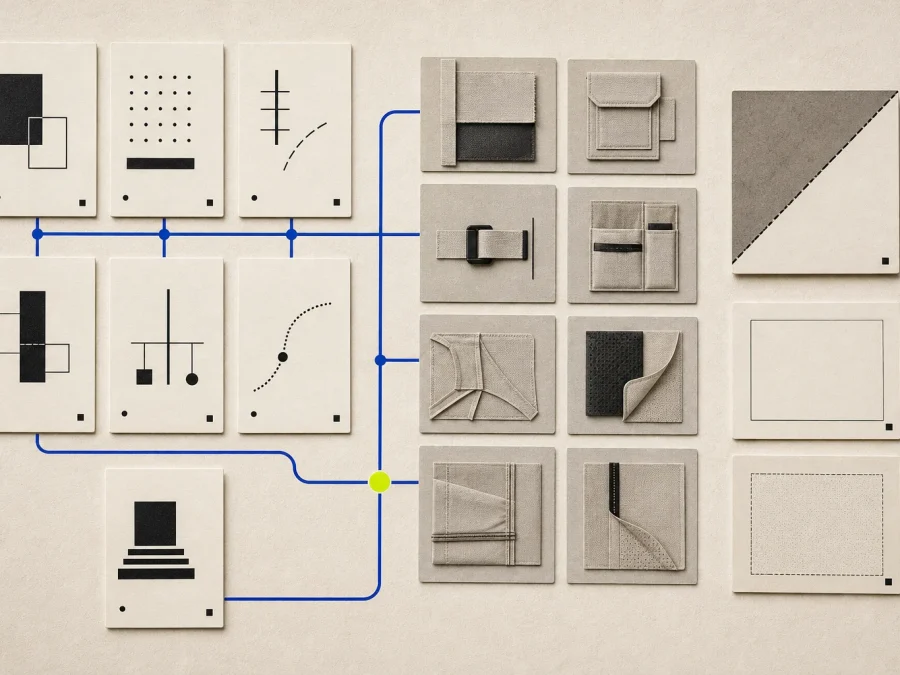
Creative work does not have one new uniform. Clothing needs change across screen work, studio making, fittings, location days, installation, travel, public presentation, and safety-regulated tasks.
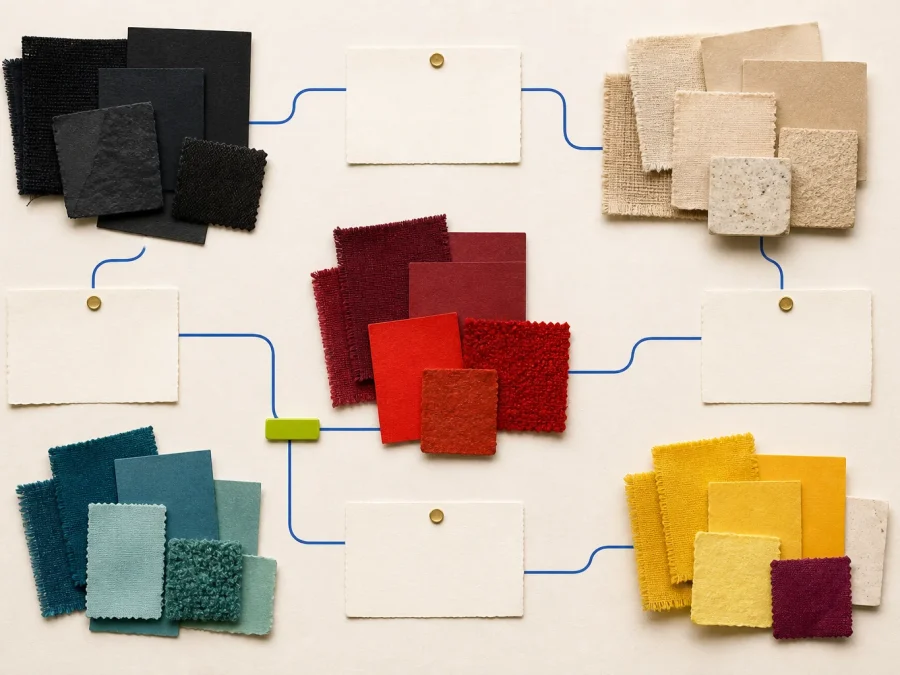
Five color families can organize a current buying study, but FashionMember has not yet interviewed buyers or verified orders; these are test hypotheses, not market winners.
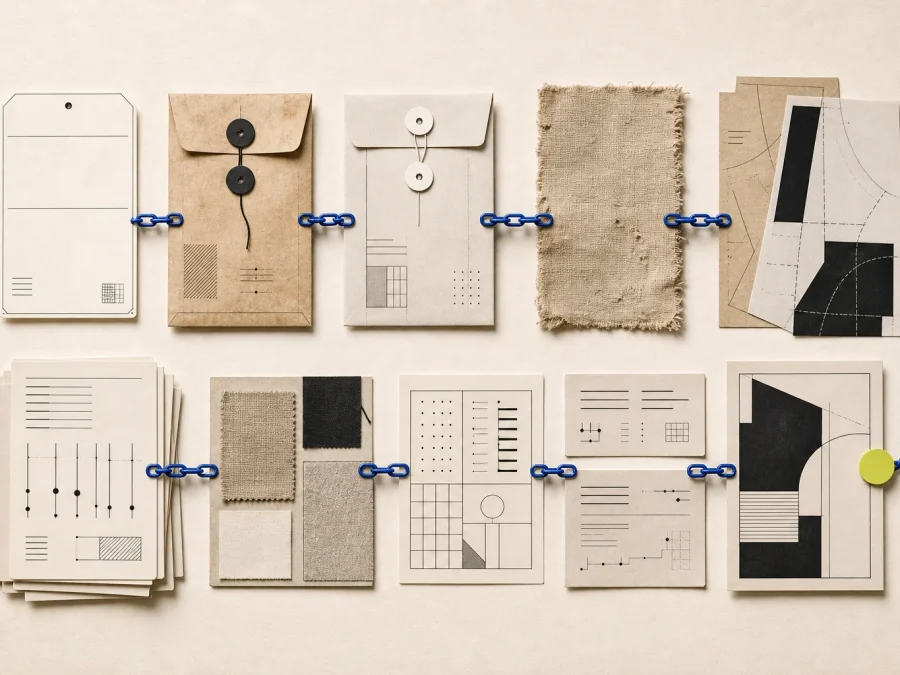
A responsible reissue connects an identified archive object to rights, provenance, product changes, materials, fit, care, claims, and an exact retail version rather than relying on nostalgia.
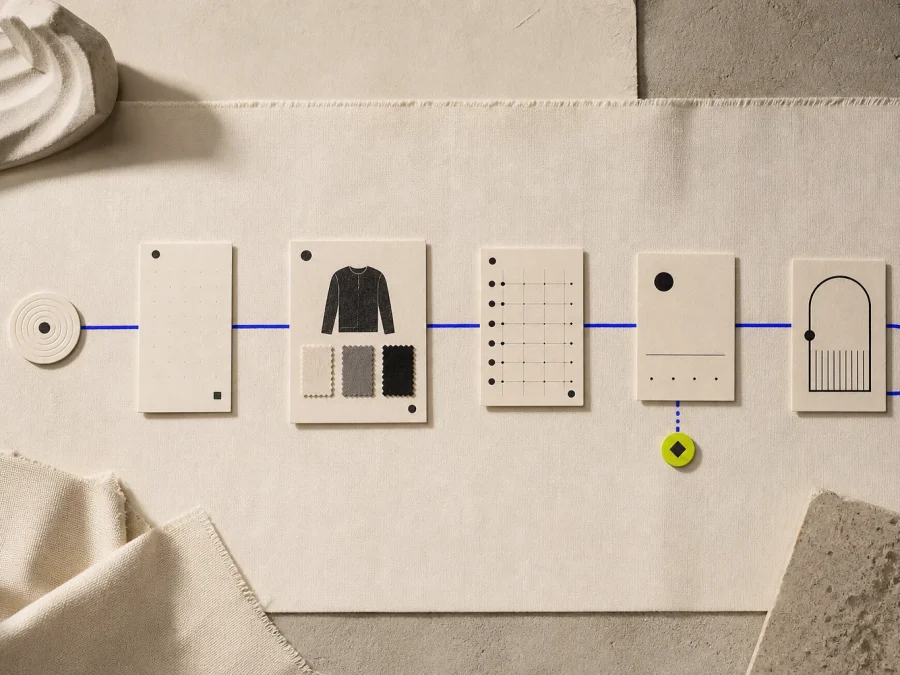
Social visibility can start a buying question, but it becomes store-level demand only after a dated signal, a matched product, available inventory, kept sales, and reorders survive separate checks.