Trends Culture
Footwear’s Shift Toward Hybrid Utility
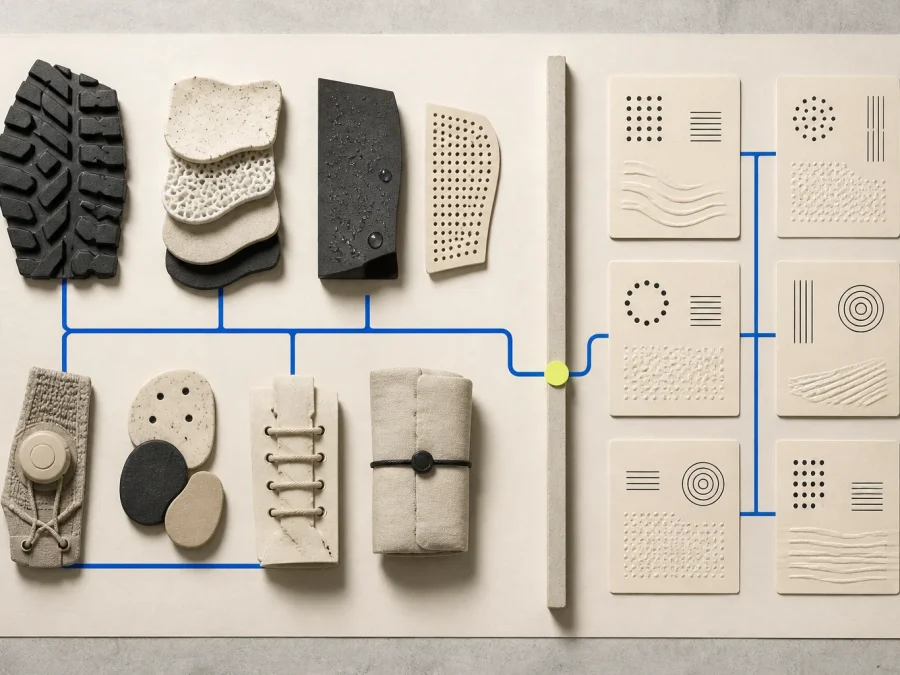
Trail-derived sneakers, recovery-like slip-ons, clogs, work-coded soles, and fashion materials can cross categories, but utility must be defined and tested for the exact product and use.
The cultural shifts, product ideas, and buying questions shaping the next fashion season.
Trail-derived sneakers, recovery-like slip-ons, clogs, work-coded soles, and fashion materials can cross categories, but utility must be defined and tested for the exact product and use.
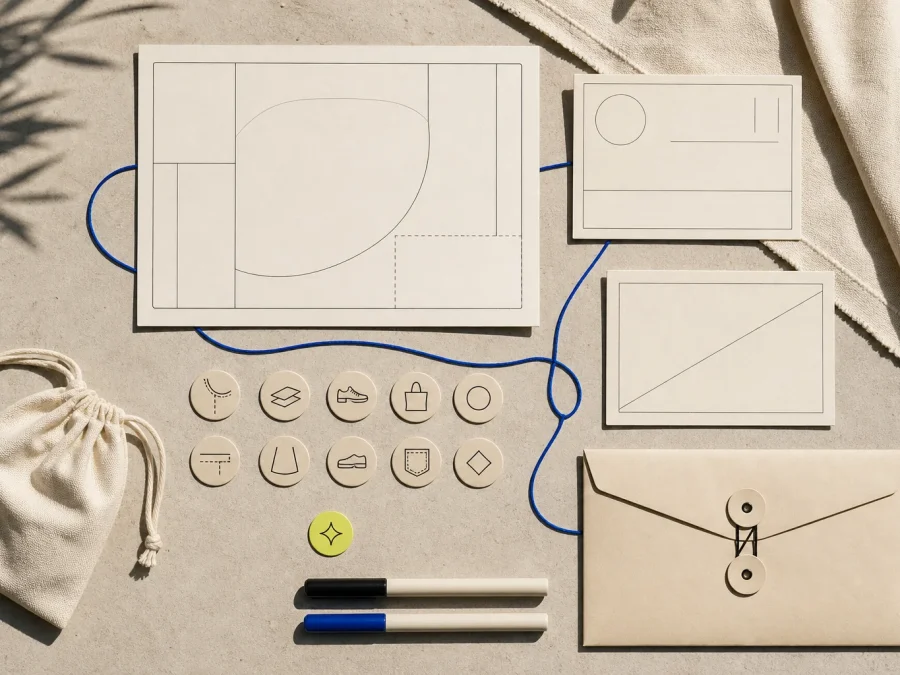
FashionMember has not completed the fieldwork or consented photography required to answer this headline; this draft defines the Los Angeles observation study that must come first.
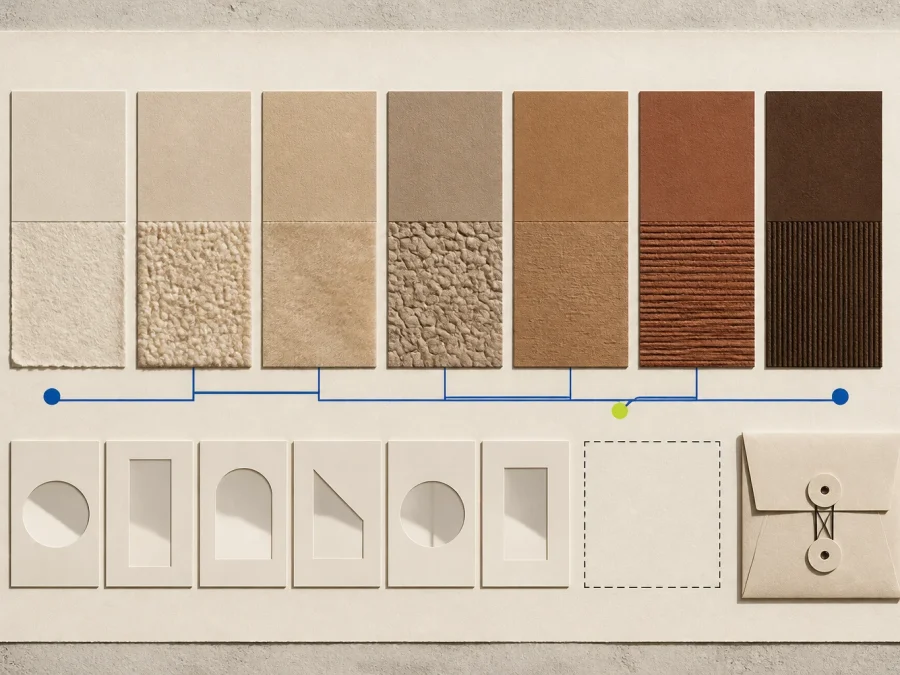
Beige, ecru, cream, brown, stone, and softened white can appear warmer through hue, light, material, and surface, but a visual sample and physical color method are required before calling them a market shift.

American fashion influence is distributed across creative labor, manufacturing, wholesale markets, retail adoption, media, education, logistics, and regional use—not captured by a single city ranking.
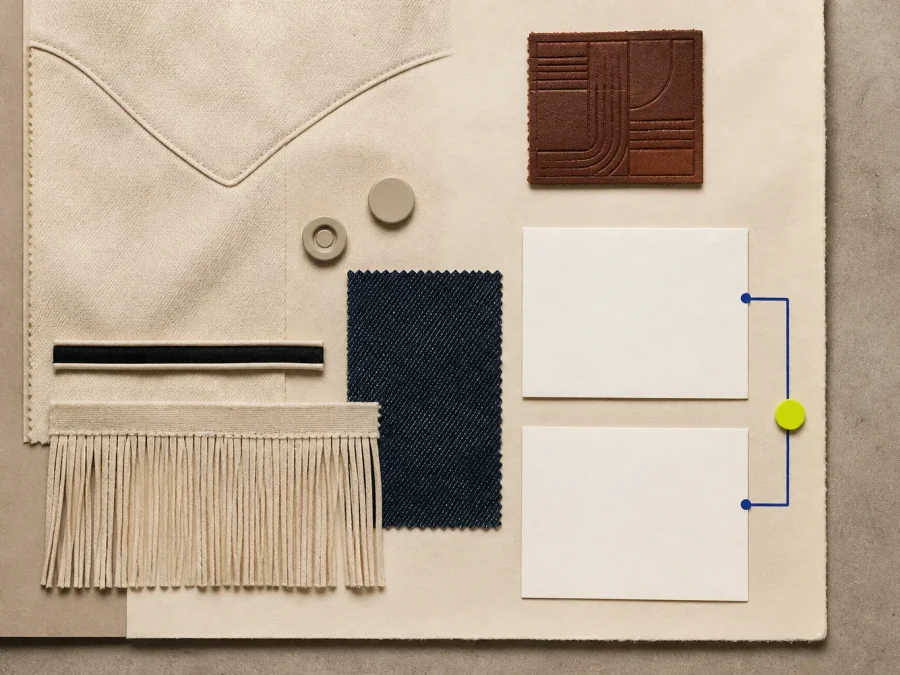
Western details recur through work, identity, entertainment, vintage reference, and product cycles, but FashionMember has not yet verified how widely Los Angeles retailers or customers are adopting them now.
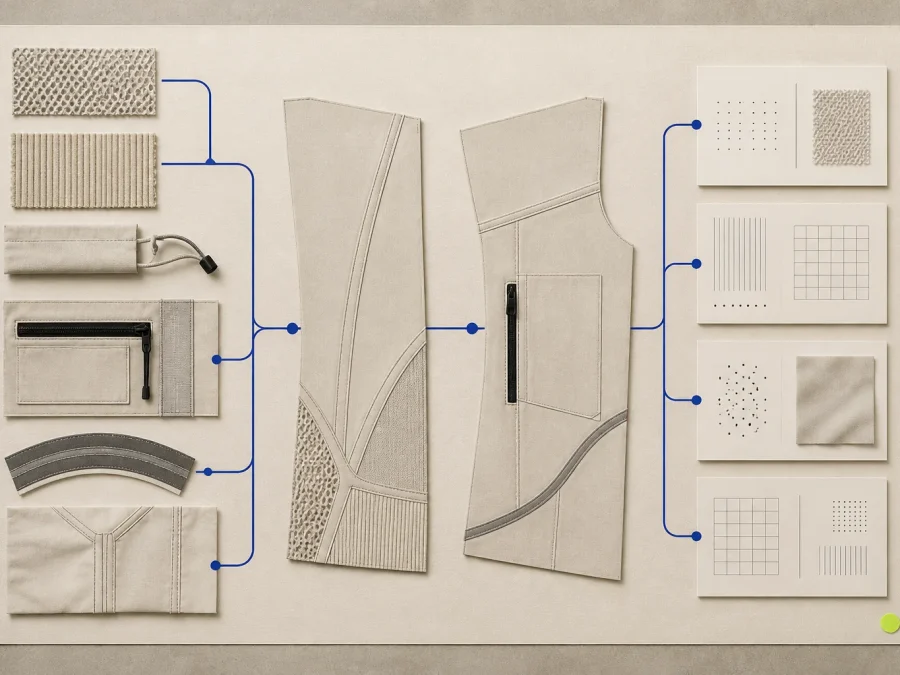
Athletic construction and styling now appear in wider fashion contexts, but an athletic reference is not proof that a garment performs under sport, safety, or health conditions.
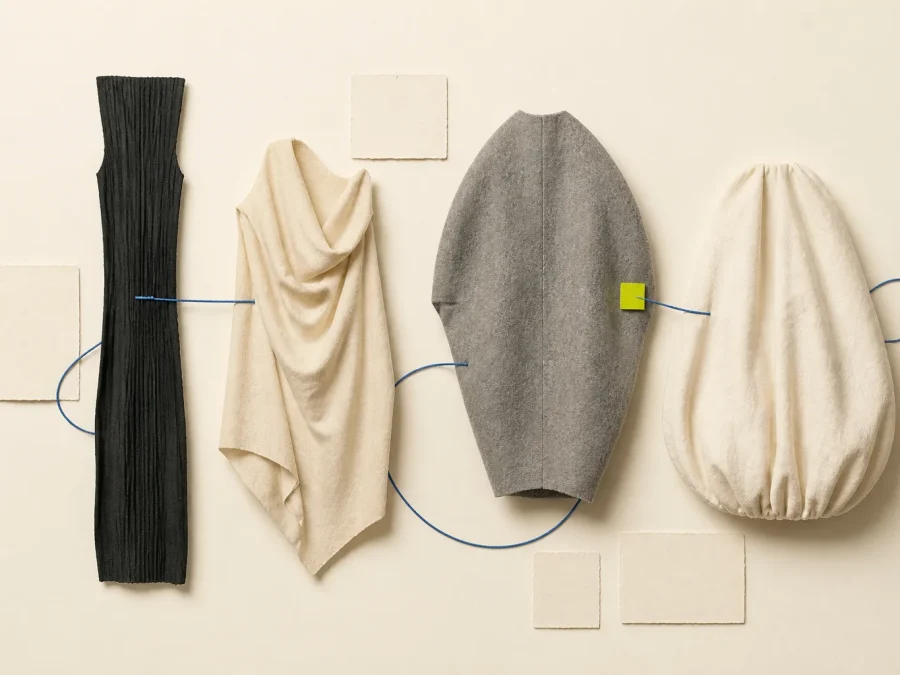
Early Spring and Cruise 2027 collection notes point toward controlled lines, adjustable volume, drape, and movement—but the public sample is too early to call a market-wide trend.
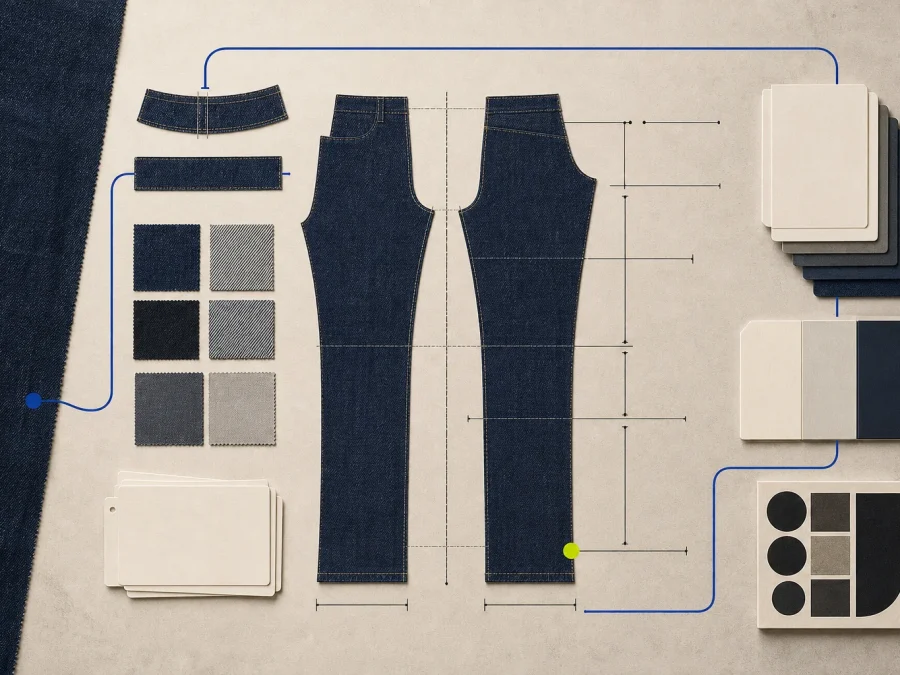
Denim now supports a wider language of loose, straight, relaxed, tapered, and rise-specific fits, but public product pages alone cannot prove that one shape is replacing another.
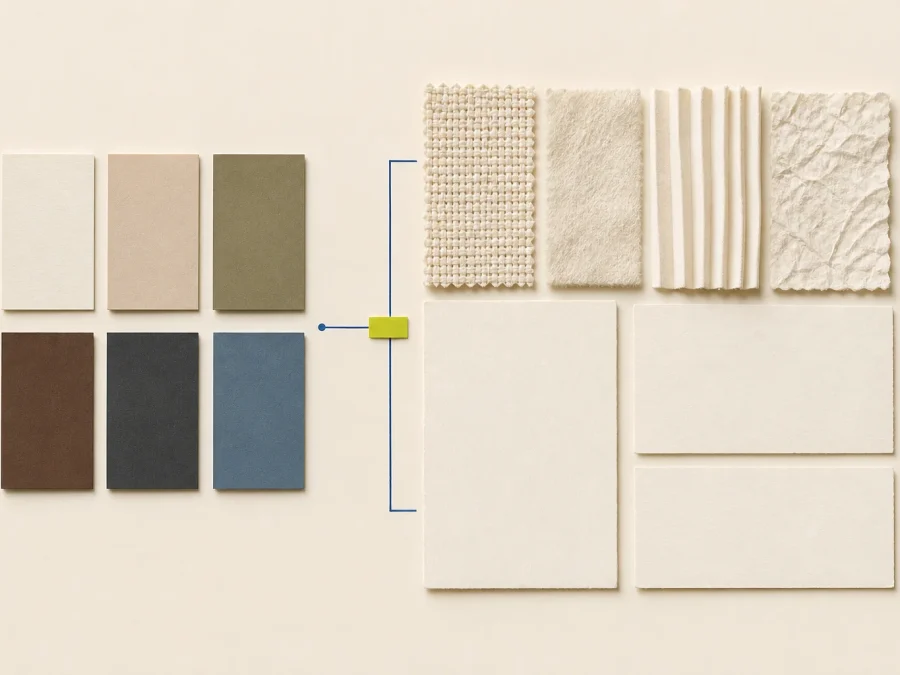
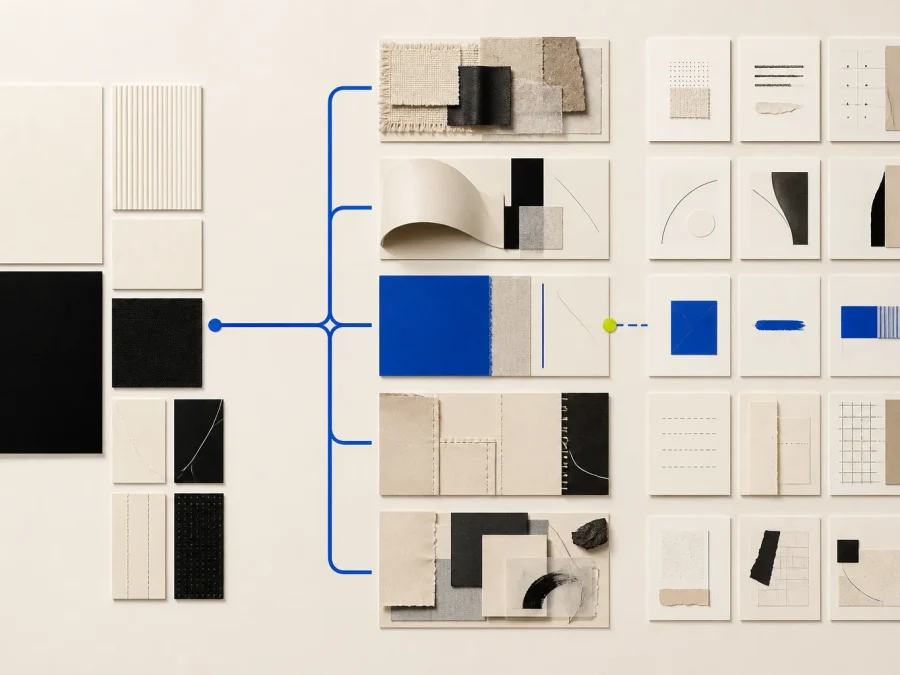
Texture is not replacing color. It is carrying more of the work across silhouette, product data, photography, touch, care, and perceived value—and each layer needs evidence.
The next design language is unlikely to be one maximalist reversal; independent brands are combining restraint with expressive material, volume, color, construction, and narrative under real business constraints.