Trends Culture
Romance, With a Tailored Backbone
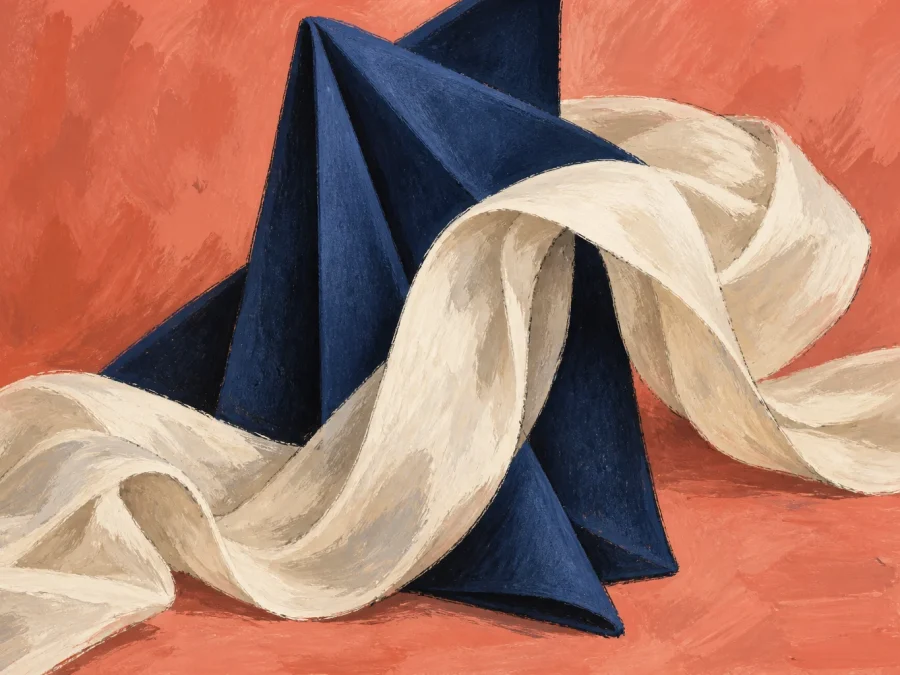
Navy, white and contrasting garment languages give Ralph Lauren’s latest runway a useful lesson in composition: softness becomes more expressive when something holds the line.
The cultural shifts, product ideas, and buying questions shaping the next fashion season.
Navy, white and contrasting garment languages give Ralph Lauren’s latest runway a useful lesson in composition: softness becomes more expressive when something holds the line.
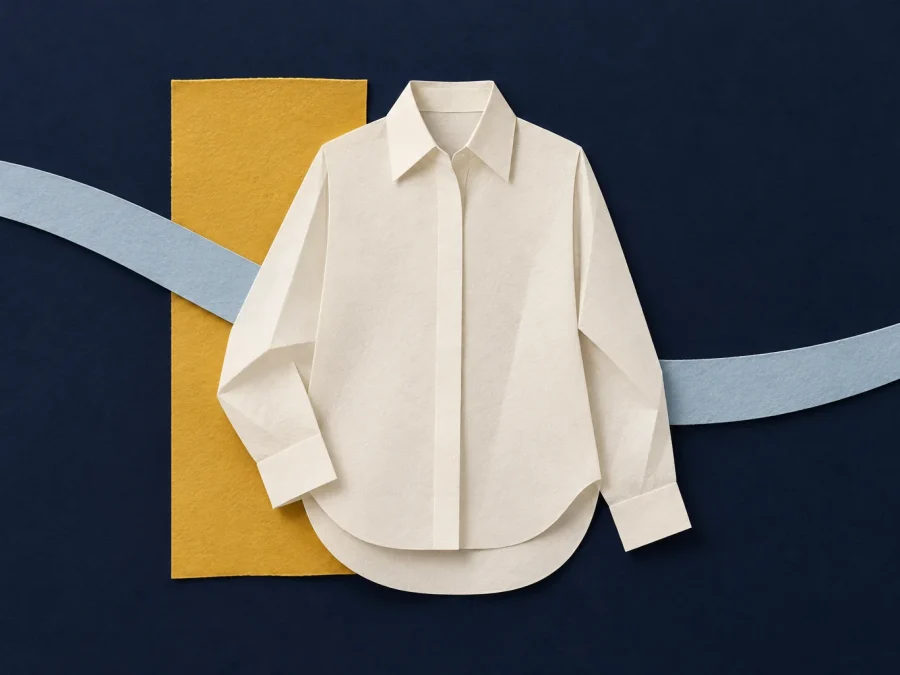
Ahead of J.Crew and Eckhaus Latta’s September 15 collaboration, a closer look at the design decisions that separate a fresh interpretation from another basic.
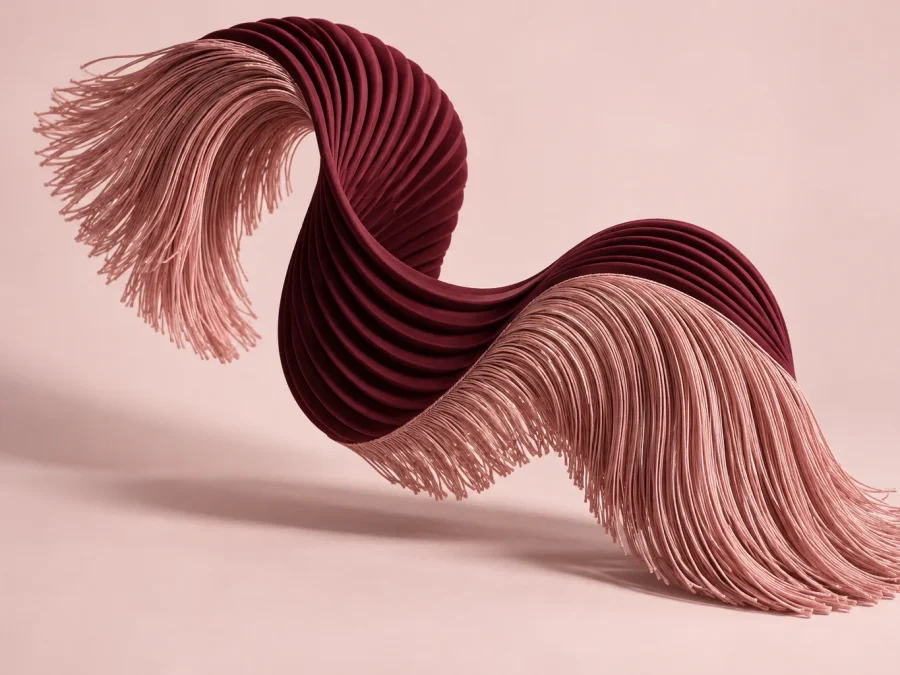
New York’s first official fur-free season puts the spotlight on a more interesting design challenge: making volume, movement and surface feel desirable on their own terms.
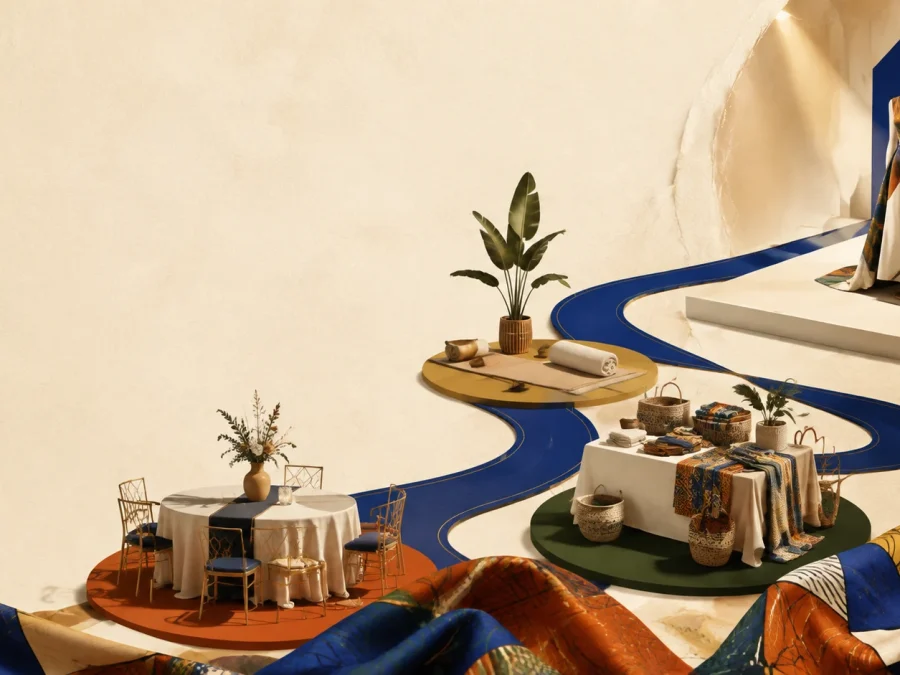
The September 4–6 program pairs a gala, a wellness session, a marketplace, and a runway concert. For independent designers, its useful question is how cultural visibility becomes a repeatable relationship rather than a single photograph.
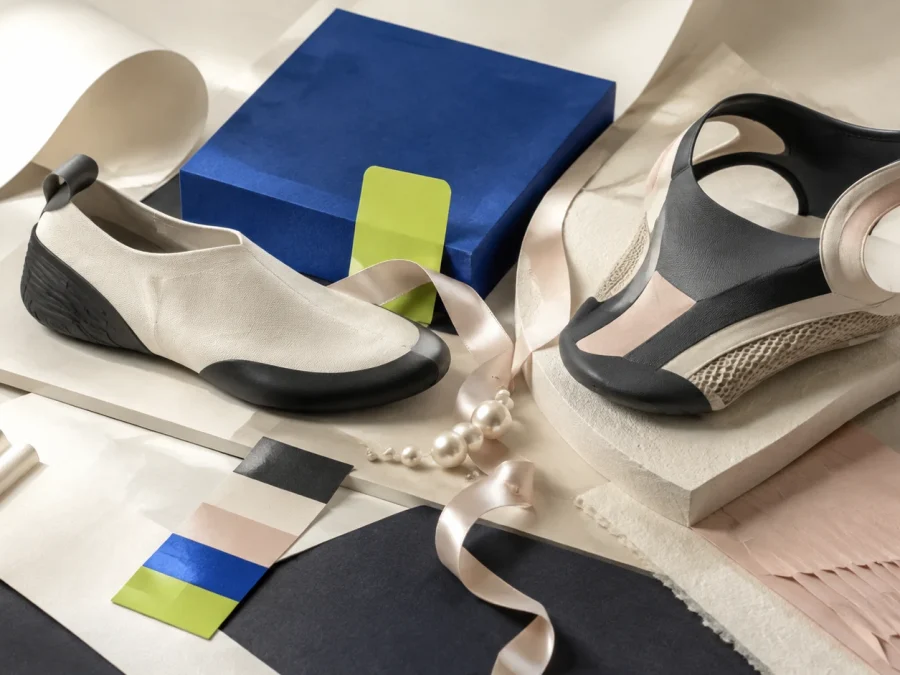
The Fall/Winter 2026 collaboration translates athletic archetypes through ribbons, pearls, and altered proportions; its real test begins when the runway language meets a tenable multi-channel release.
Search is a record of attention, not a purchase order. The useful 2026 signals are specific enough to test: polka dots, lace, cropped pants, low heels, elongated bags, and silk scarves.
An outfit formula should organize proportion, function, and repetition—not make everyone buy the same jacket, jean, and shoe.
Fall is not one runway verdict. Track how spring’s visible signals adapt to layers, weight, weather, and occasion, then buy only where search interest meets wardrobe use.
Baggy denim works through rise, seat, thigh, leg shape, hem, fabric, and shoe—not a rule that the top must always be tight.
Denim shorts become personal when length, opening, rise, wash, and context are chosen before the internet’s default socks-and-sneakers uniform.