
Guides
Writing an AI Image Disclosure Customers Can Understand
Name what was generated or changed, place the disclosure with the image, and never ask fine print to rescue a false impression.
Start with what’s new. Find the reporting that helps with your next decision.
Name what was generated or changed, place the disclosure with the image, and never ask fine print to rescue a false impression.
There is no reliable one-line answer. Human authorship, generated material, source rights, contracts, publication, trademarks, design patents, territory, and the exact asset must be reviewed separately.

A scalable image workflow begins with rights, product truth, a source hash, approved transformations, accessibility ownership, and provenance—not a prompt that quietly invents the rest.

The correct comparison includes loaded labor, review, correction, tools, production, rights, disclosure, adaptation, and failed outputs—not only the price of a generation subscription.

Synthetic people can expand creative options, but they cannot quietly impersonate documentary photography, customer experience, or product truth.
The apparent savings from generating a person can disappear into correction, product review, rights, consent, labor, disclosure, provenance, accessibility, and customer trust. The person in the image is not a disposable production input.

The answer depends on what “fit intelligence” does, who uses it, which products qualify, how return reasons are captured, and whether conversion, bracketing, margin, customer experience, and completed return windows are measured together.
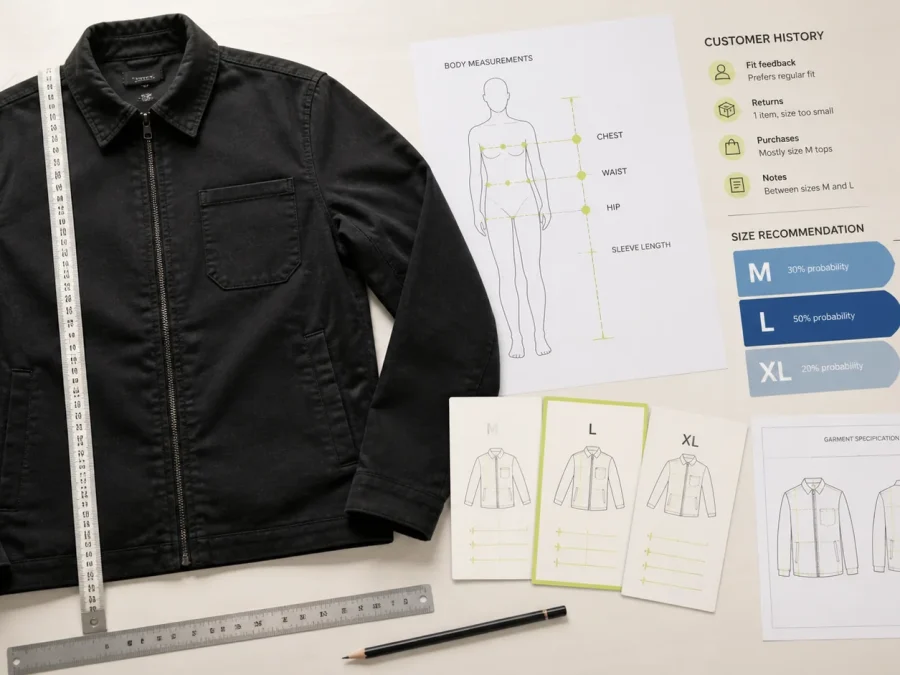
A size recommendation is a probability built from product, customer, and outcome data—not a measurement of objective truth.
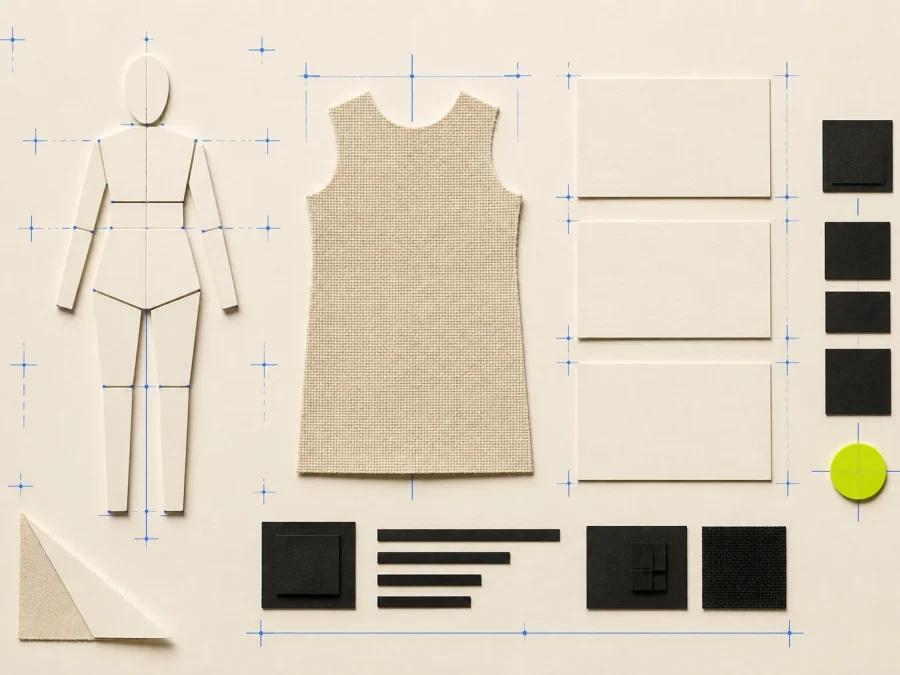
Current tools can create useful style visualizations, but a generated image is not a fit guarantee, size recommendation, stock promise, product-fidelity certificate, or return-reduction result.
Inventory-responsive markdowns can be useful. Secretly estimating what one shopper will tolerate is a different practice with a different trust and regulatory risk.
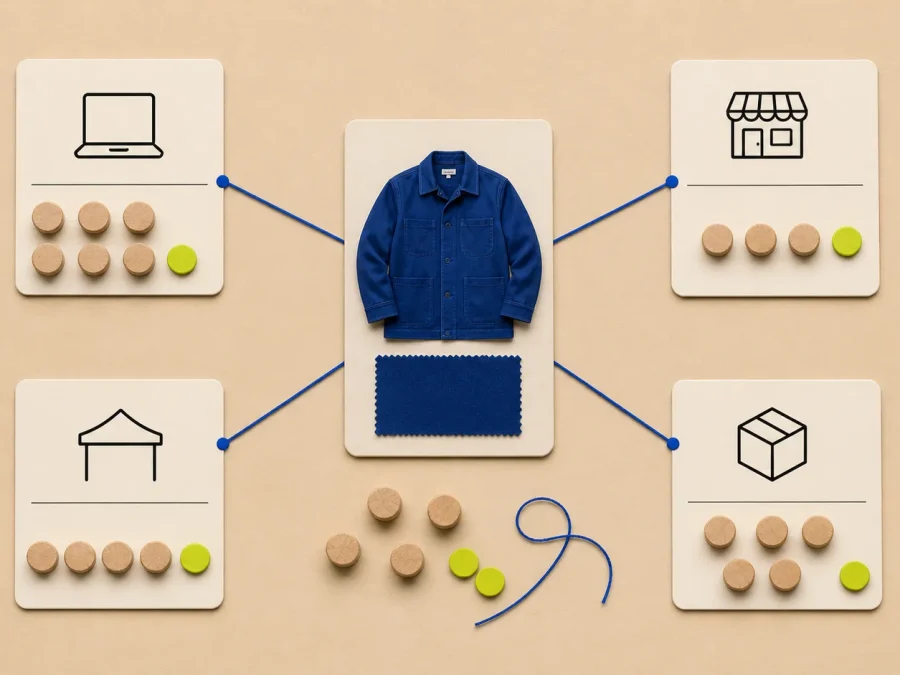
Allocation begins with one trustworthy inventory picture, explicit channel service goals, and a baseline that exposes scarcity. AI can update demand ranges, but it should not hide who loses when stock is short.
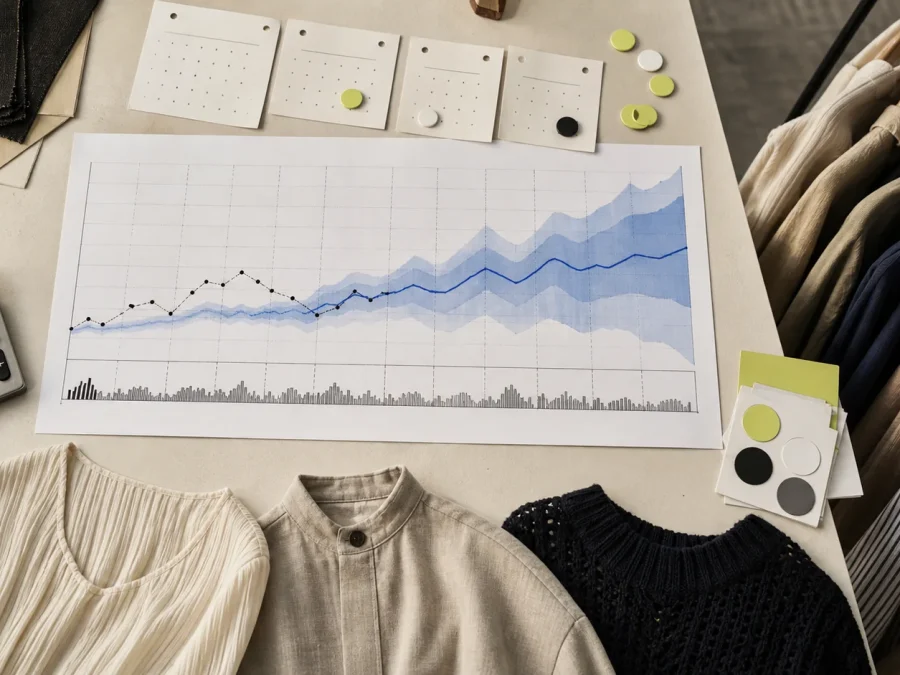
Small fashion teams can begin with clean weekly data, a hard-to-beat baseline, honest uncertainty, and a repeatable buying decision.