From One Product Photo to a Full Editorial Image Set
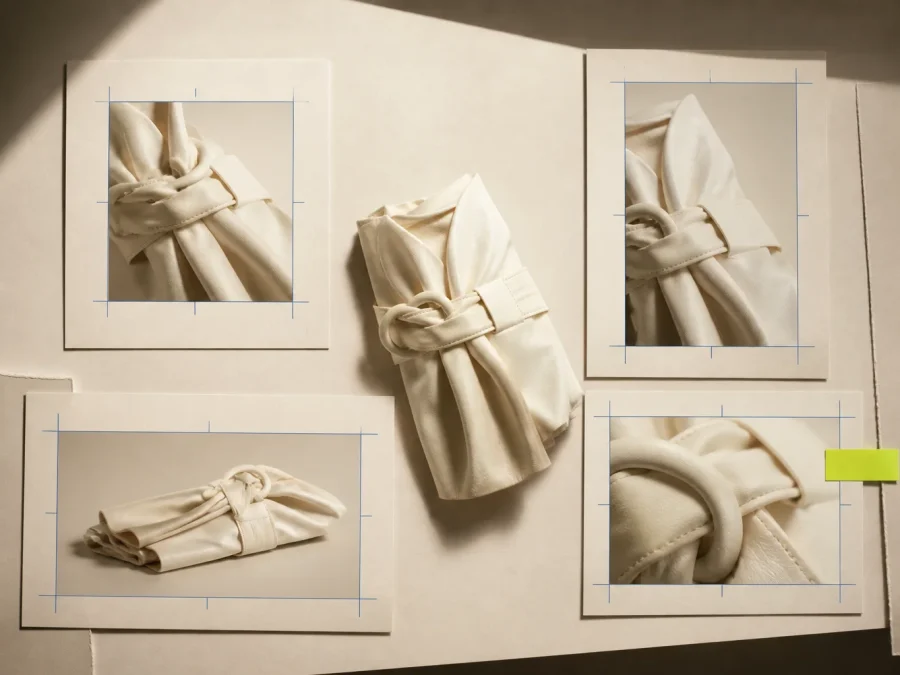
A scalable image workflow begins with rights, product truth, a source hash, approved transformations, accessibility ownership, and provenance—not a prompt that quietly invents the rest.
What fashion technology can actually do. Explore workflows, evidence, costs, and the limits behind the claims.
A scalable image workflow begins with rights, product truth, a source hash, approved transformations, accessibility ownership, and provenance—not a prompt that quietly invents the rest.
There is no reliable one-line answer. Human authorship, generated material, source rights, contracts, publication, trademarks, design patents, territory, and the exact asset must be reviewed separately.
A fair test must freeze the brief, hide authorship, preserve source facts, separate quality dimensions, count editing labor, and publish failures. Our current result is a synthetic protocol fixture, not a reader study.
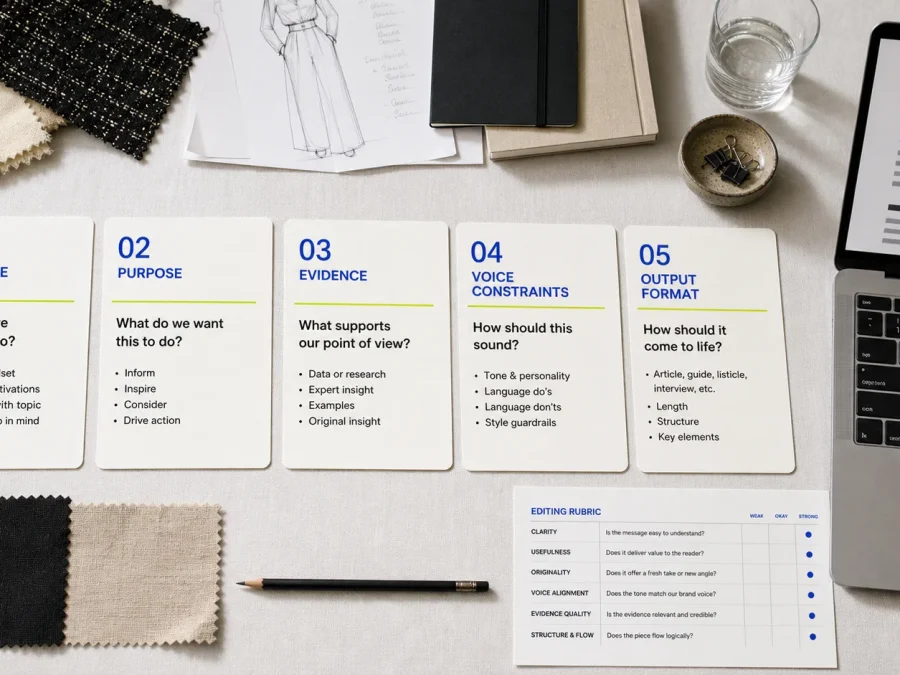
Replace the giant “sound like us” prompt with a versioned brief, factual source block, explicit language constraints, and a repeatable evaluation set.
A defensible forecast needs a traceable claim, archived source, observation window, transformation, baseline, uncertainty, counterevidence, owner, and expiration date—not a confident trend label.
Replace the viral screenshot with a weekly evidence routine that separates relative attention, persistence, customer questions, commercial relevance, and uncertainty.
A color forecast can organize evidence and scenarios, but it must preserve source lineage, measurement conditions, material context, device profiles, uncertainty, counterevidence, and expert review.
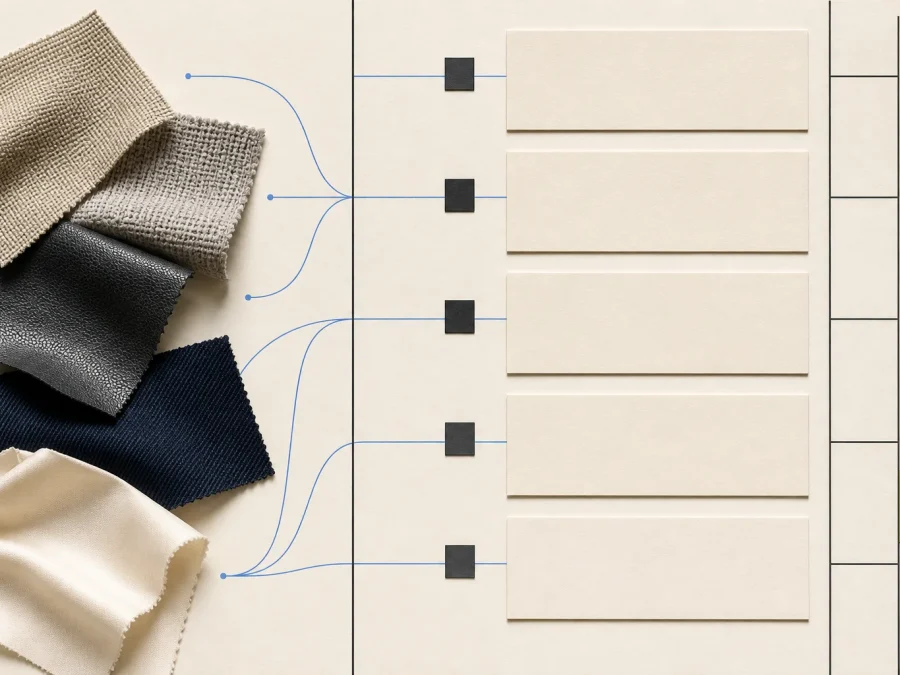
A useful material assistant does not stop at a beautiful swatch. It builds a dated, source-backed specification packet with end use, construction, dimensions, finish, claims, tests, care basis, market, and expert review.
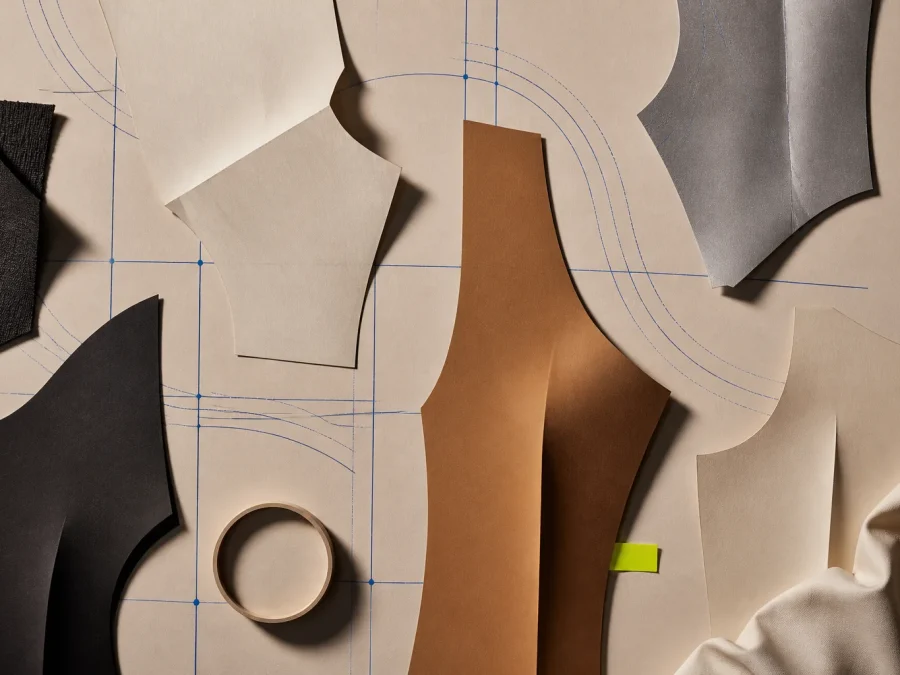
A generated silhouette becomes useful only when a patternmaker can connect it to measurements, balance, grain, seams, material behavior, grading, construction, fit, and a physical sample.
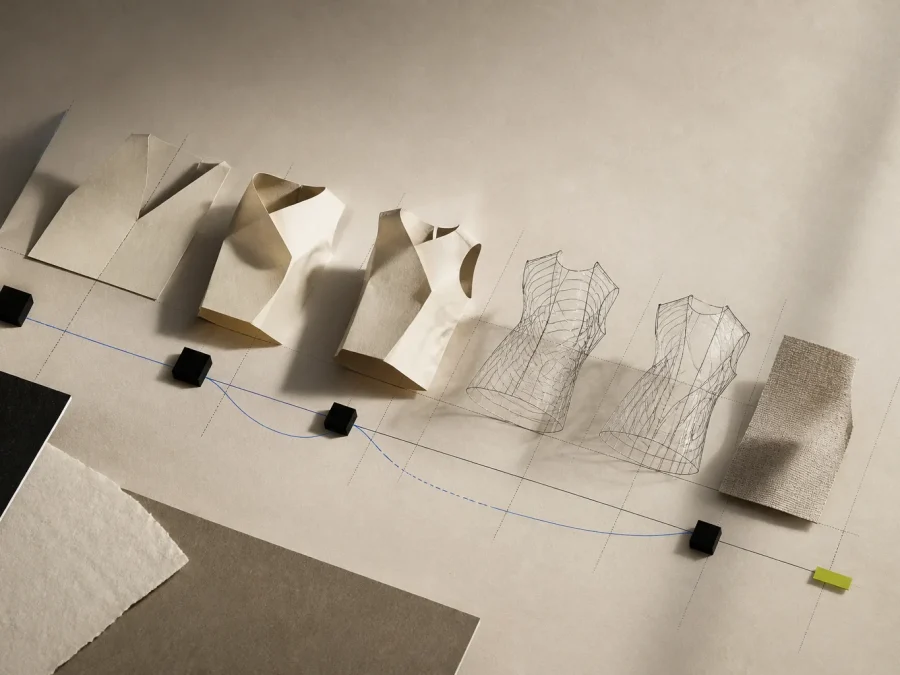
3D sampling can remove avoidable questions before fabric is cut, but credible savings require matched styles, complete labor and cost capture, accurate material and body inputs, and physical validation.