Fashion × AI
How AI Size Recommendation Systems Make Decisions
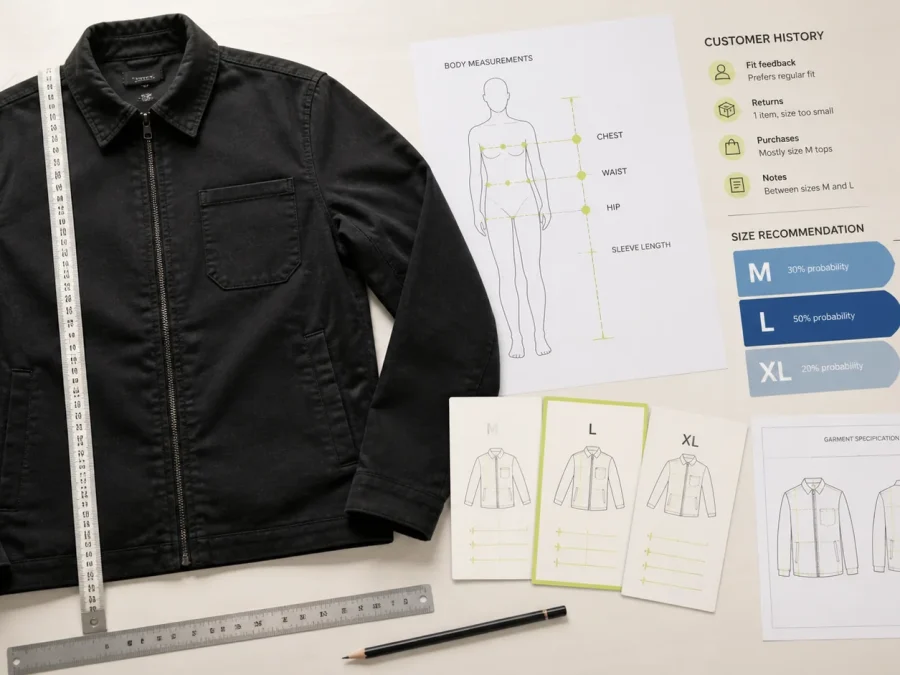
A size recommendation is a probability built from product, customer, and outcome data—not a measurement of objective truth.
What fashion technology can actually do. Explore workflows, evidence, costs, and the limits behind the claims.
A size recommendation is a probability built from product, customer, and outcome data—not a measurement of objective truth.
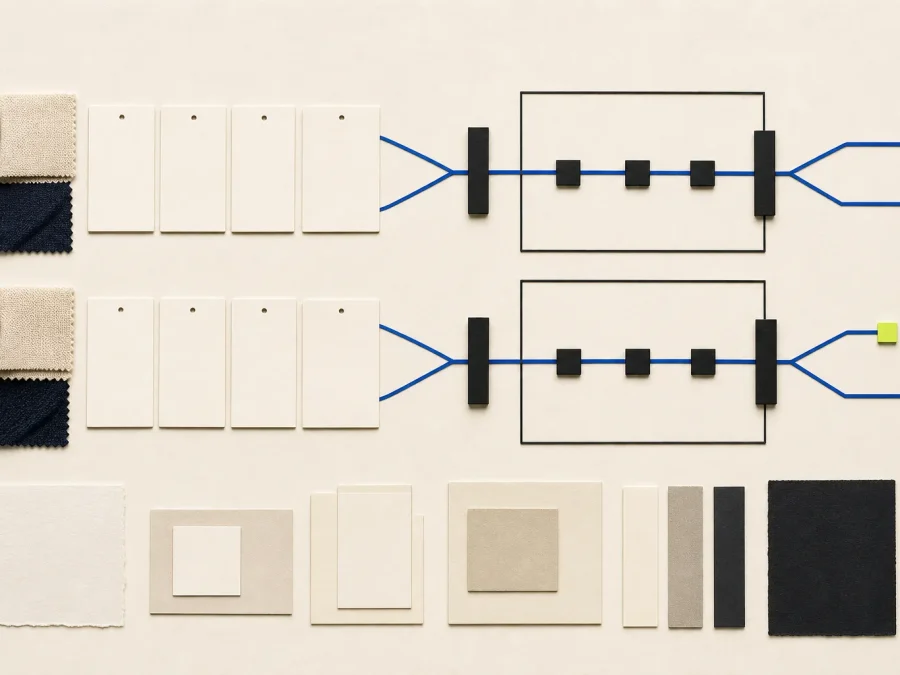
The answer depends on what “fit intelligence” does, who uses it, which products qualify, how return reasons are captured, and whether conversion, bracketing, margin, customer experience, and completed return windows are measured together.
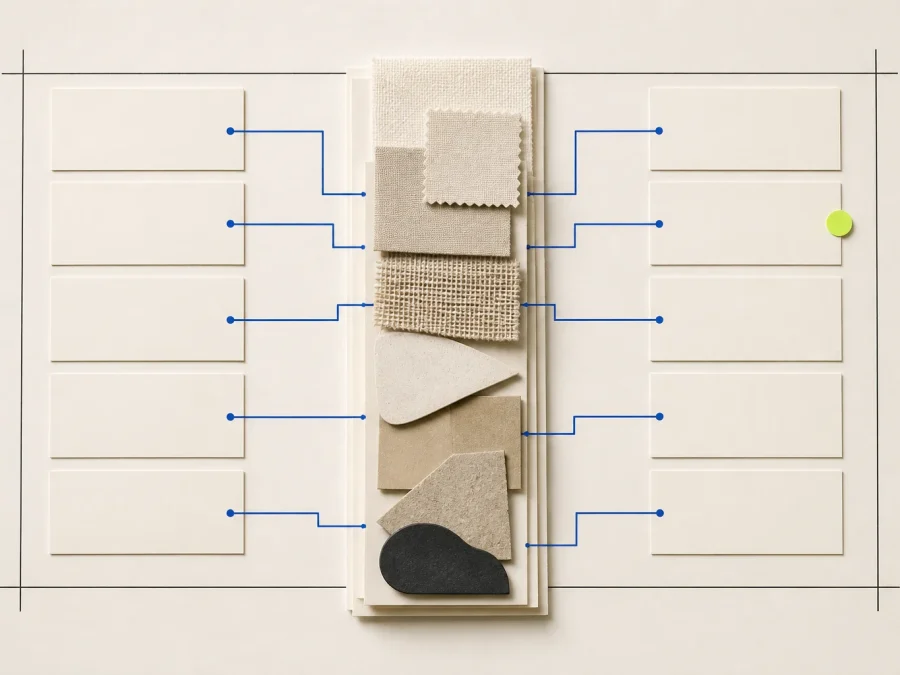
A fair comparison freezes the catalog, query set, relevance judgments, inventory state, interface, and measurement plan. Until that test is run on an authorized storefront, attractive AI answers are demonstrations—not evidence of better discovery.

A small catalog does not make recommendation testing simple. Inventory, merchandising intent, sparse interaction data, privacy, accessibility, attribution, returns, and gross margin all belong in the decision.
The useful change is not an automatic buy plan. It is a weekly decision record that makes source freshness, forecast versions, exceptions, commercial inputs, ownership, and human approval visible.
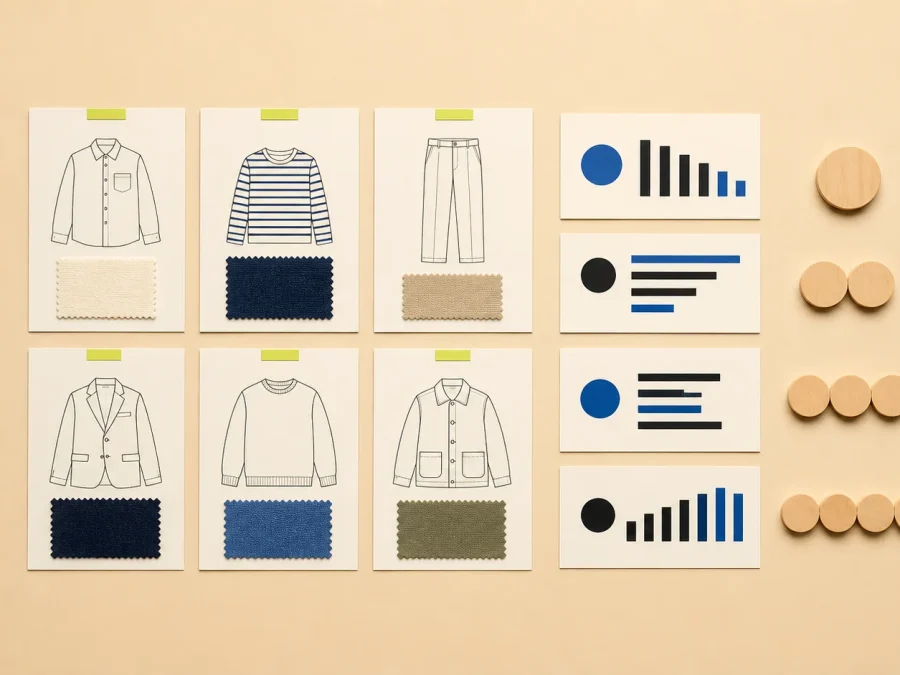
Begin with the buying decision, constraints, and a transparent baseline. Use AI to test demand and substitution assumptions—not to turn uncertain fashion forecasts into an automatic order.
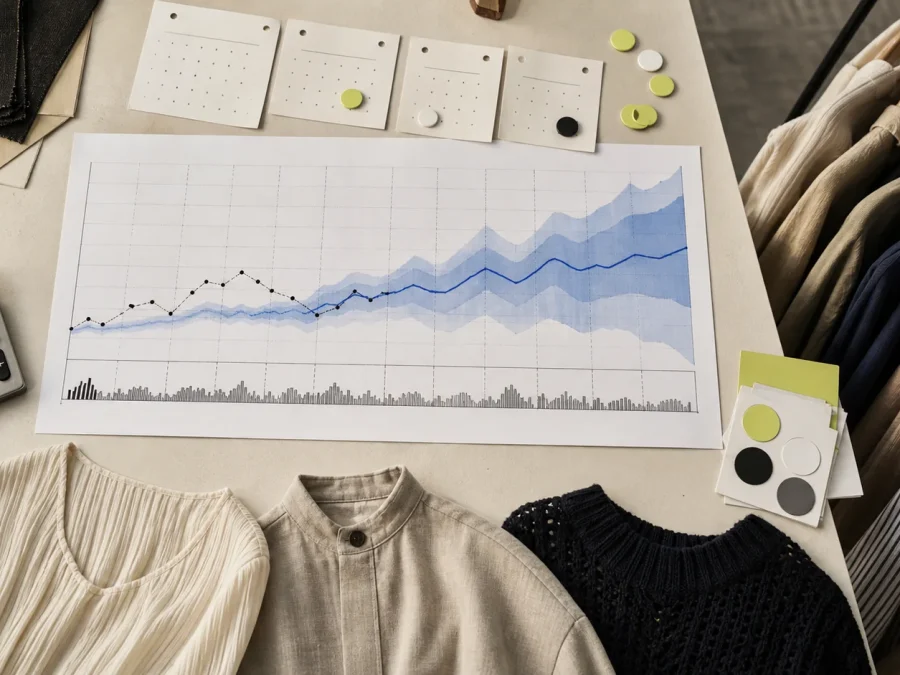
Small fashion teams can begin with clean weekly data, a hard-to-beat baseline, honest uncertainty, and a repeatable buying decision.
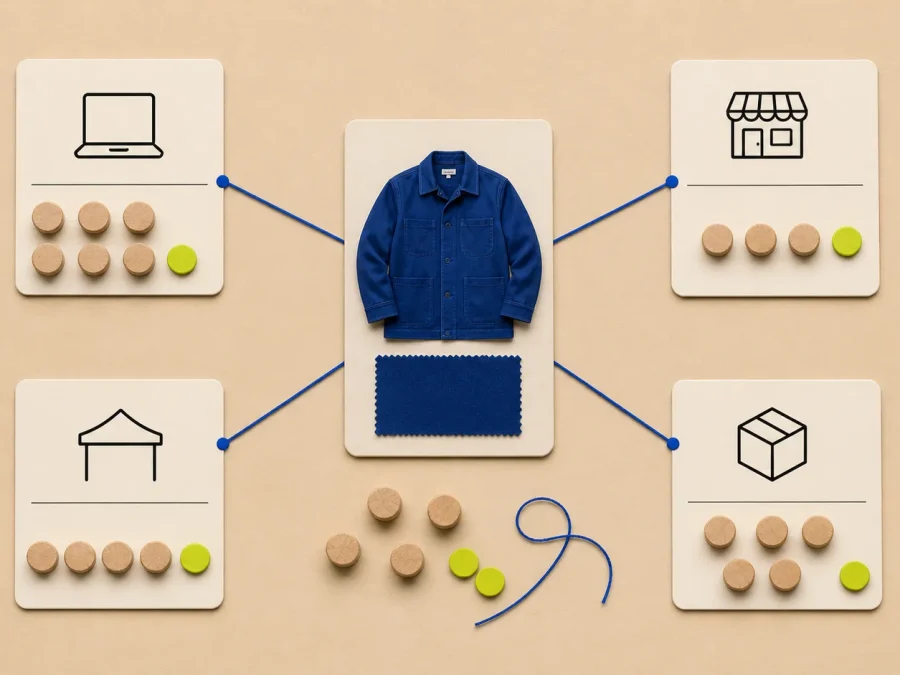
Allocation begins with one trustworthy inventory picture, explicit channel service goals, and a baseline that exposes scarcity. AI can update demand ranges, but it should not hide who loses when stock is short.

Product discovery is moving from keyword results toward conversations, comparisons, and delegated actions. Fashion brands need better product data—not more AI copy.