Skip to content
Los Angeles · Independent fashion intelligence
FashionMember

Tag: materials

An unbranded folded rain shell, blank material cards, blue chain links, sample vials, fabric swatches, and a blank calendar on an ivory worktable.
Materials & Sourcing

New Jersey Bans PFAS in Apparel Beginning in 2028

A New Jersey law signed on August 27 reaches apparel and diaper products in 2028; the immediate task for brands is to make “intentionally added PFAS” a traceable material decision, not a marketing promise.

Sep 4, 2026 · 9 min read
Irregular fabric-lot swatches sit beside blank condition, sample, and traceability cards on warm cream paper, connected by cobalt paths and one acid-lime review marker.
Materials & Sourcing

“Deadstock Fabric: Opportunity, Constraint, or Both?”

An existing fabric lot can create distinctive small-run opportunity, but only after ownership, composition, quantity, condition, testing, traceability, claims, and replacement risk are made visible.

Sep 2, 2026 · 7 min read
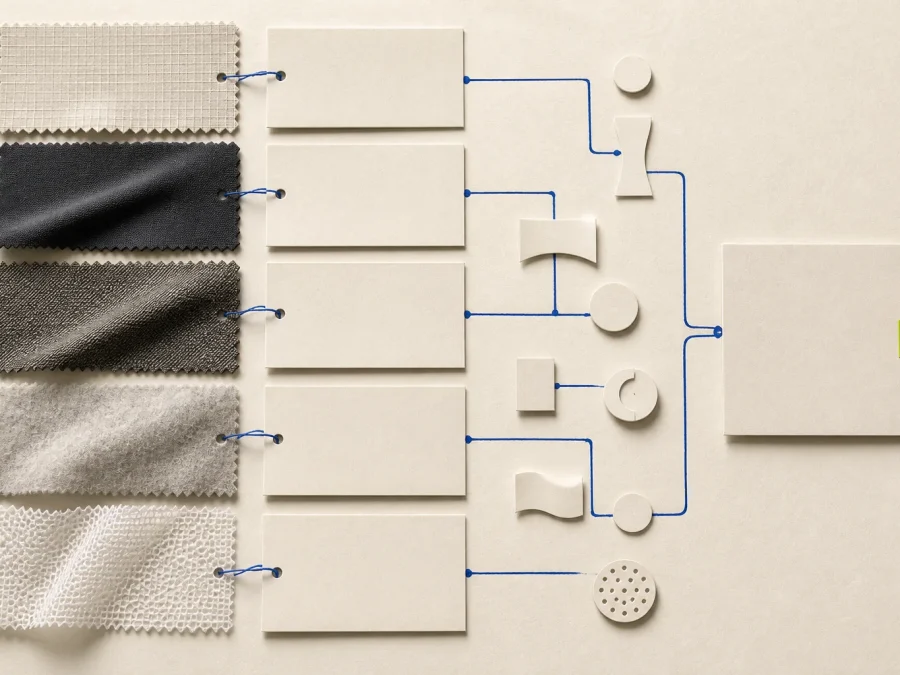
Layered abstract technical textile swatches beside blank material evidence cards, a cobalt measurement path, and one acid-lime sensory-review marker.
Materials & Sourcing

What Makes a Technical Fabric Feel Premium?

Premium hand is not one lab value. It emerges from a defined use, controlled specimens, measurable construction and performance, sensory evaluation, garment engineering, and honest claims.

Sep 2, 2026 · 7 min read
Fictional fabric-testing planning table with neutral swatches, sample-lot envelopes, blank method cards, a magnifier, cobalt dividers, and an acid-lime hold tray.
Materials & Sourcing

A Practical Fabric Testing Plan for Small Brands

Map the product, market, use, claims, and failure consequences first; then select current methods, representative lots, qualified laboratories, decision limits, and retest triggers.

Sep 2, 2026 · 6 min read
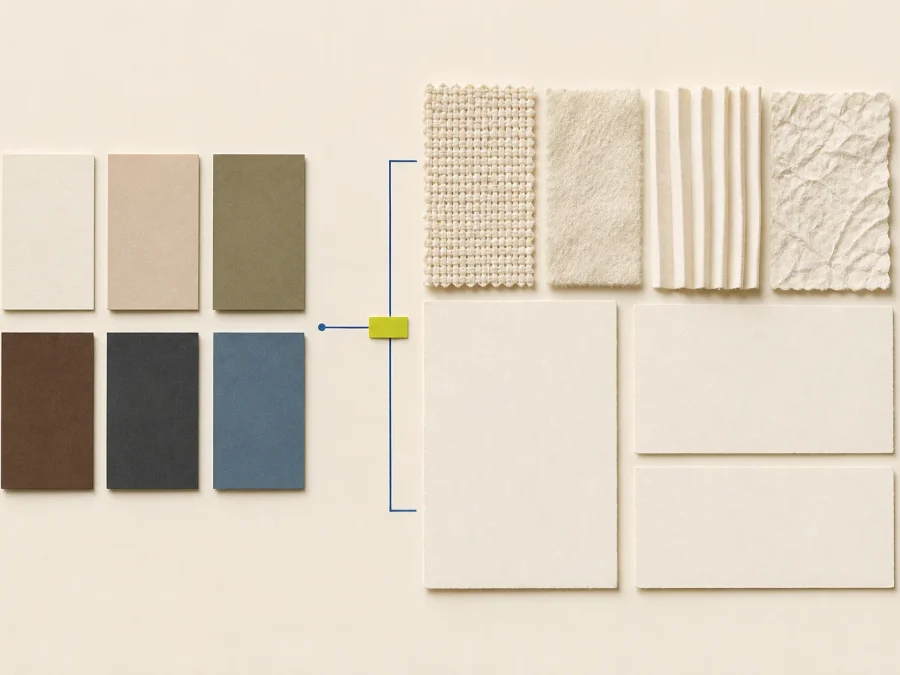
Equal color and tactile material swatches expand into richer blank specification cards on warm cream paper, connected by a cobalt route and one acid-lime review marker.
Trends Culture

Why Texture Is Becoming More Important Than Color

Texture is not replacing color. It is carrying more of the work across silhouette, product data, photography, touch, care, and perceived value—and each layer needs evidence.

Sep 2, 2026 · 7 min read
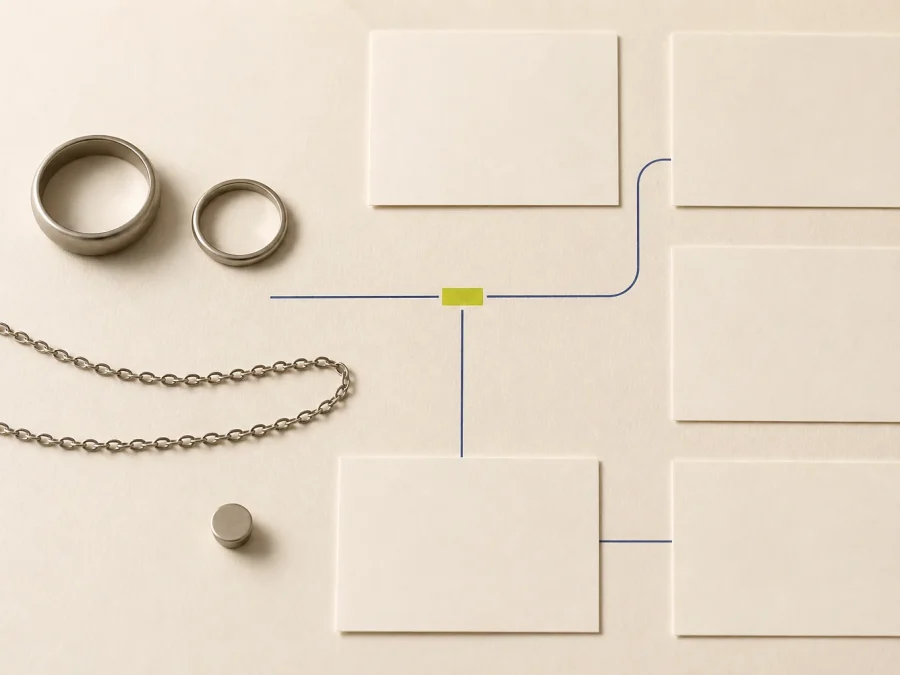
Understated unbranded rings, a chain, and a stud sit beside blank identity, care, service, and repeated-wear cards on warm cream paper, connected by a cobalt route and one acid-lime review marker.
Trends Culture

Jewelry’s New Role as the Everyday Investment Piece

Everyday investment should mean verified identity, frequent use, maintainability, and a long ownership horizon—not promised appreciation, resale value, or financial return.

Sep 2, 2026 · 7 min read
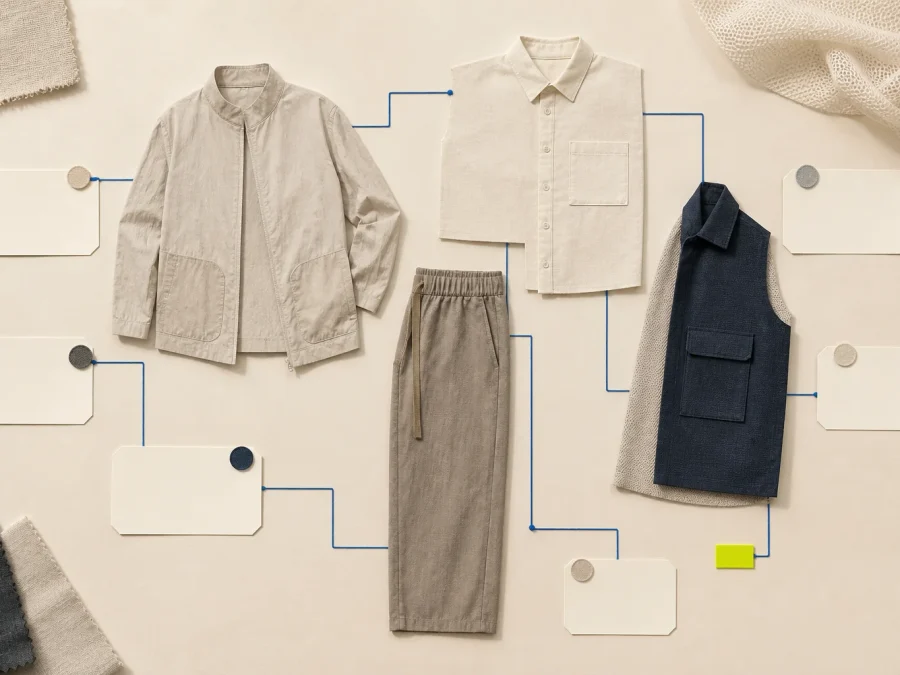
Abstract lightweight jacket, soft shirt, trouser, and detachable layer modules connect across blank task and wearer evidence cards on warm cream paper, with a cobalt route and one acid-lime review marker.
Trends Culture

The New Workwear Is Softer, Lighter, and More Modular

Current collection language suggests a fashion-workwear hypothesis built around lighter structure, adaptable layers, and pragmatic pieces—but real wearer and retailer evidence is still missing.

Sep 2, 2026 · 7 min read
A blank logo token and several tactile material and construction samples sit on equal evidence cards before a physical inspection gate on warm cream paper, with a cobalt route and one acid-lime marker.
Trends Culture

The Quiet Shift From Logo Value to Material Value

Current brand language gives material and construction more explanatory weight, but that does not prove consumers are abandoning logos or paying for objectively better quality.

Sep 2, 2026 · 6 min read
Abstract translucent fabric swatches, mesh grids, organza-like planes, lining cards, and layered color blocks overlap without forming a body or branded garment.
Trends Culture

The New Language of Sheer and Layered Dressing

Sheer dressing is not one exposure level or one product category; material, construction, underlayers, light, movement, fit, and total-look cost determine what a customer actually receives.

Sep 2, 2026 · 6 min read