
Business Retail
A Pricing Framework for Emerging Fashion Brands
Build price from channel-specific contribution, return and rework allowances, fixed-cost recovery, cash timing, and honest promotion rules—not a universal markup shortcut.
Build price from channel-specific contribution, return and rework allowances, fixed-cost recovery, cash timing, and honest promotion rules—not a universal markup shortcut.

A strong buyer meeting begins with a controlled assortment, answerable product facts, current terms, and a follow-up path—not a bigger pile of samples.
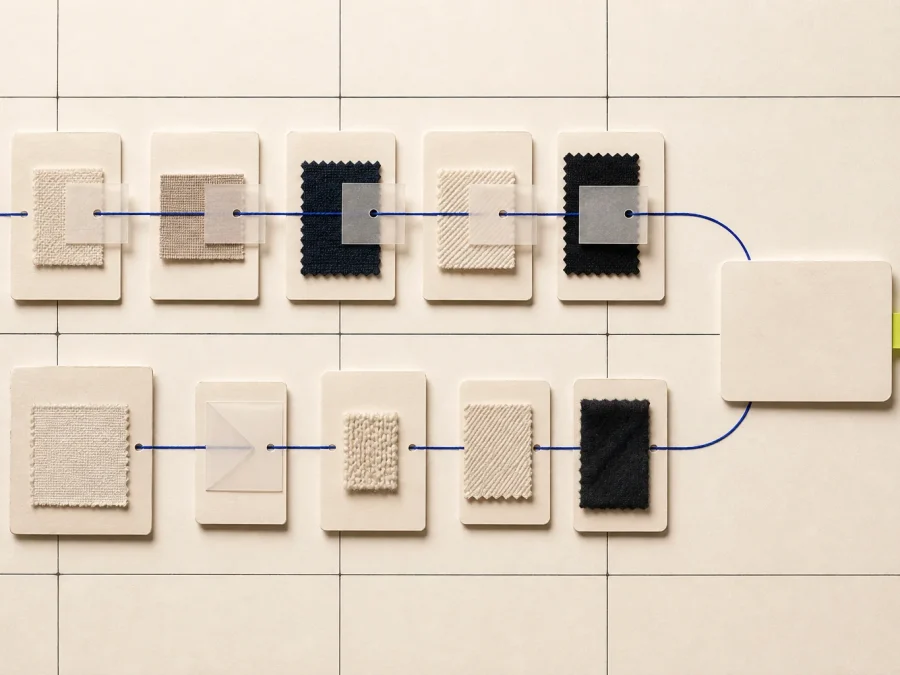
A marketplace and a direct wholesale channel allocate discovery, relationship, data, service, risk, and cost differently. Compare the operating system, not one headline fee.

A retailer-ready product record connects identity, variants, materials, care, logistics, terms, availability, images, rights, compliance, and version ownership without forcing the buyer to guess.

Digital marketplaces make discovery and order management easier; showrooms remain useful when physical product, expert context, negotiation, and accountable follow-up change the buying decision.

American fashion influence is distributed across creative labor, manufacturing, wholesale markets, retail adoption, media, education, logistics, and regional use—not captured by a single city ranking.

A useful assistant assembles a consented, buyer-specific preparation packet from approved product and account data, then stops before it quotes, promises, orders, or contacts anyone without showroom approval.

A wholesale score is useful only when it routes transparent business evidence to a salesperson—not when it predicts a person, hides exclusions, or triggers unsupervised outreach.

A useful small-brand CRM begins with permission, purpose, suppression, retention, and ownership—not an automated prospecting machine.
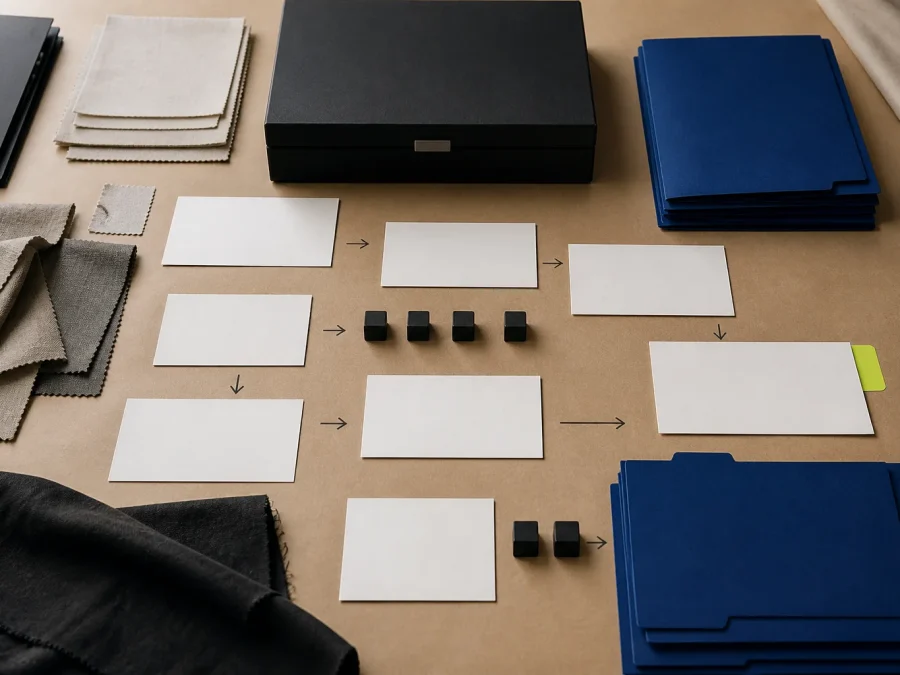
Freeze the source, lock commercial tokens, manage terminology, attach locale and direction metadata, and require qualified human review before a translated message leaves the brand.