
Business Retail
The Case for Fewer, Better Product Drops
Reducing launch frequency can concentrate product, inventory, service, and learning—but only when a brand measures the whole operating cycle instead of treating scarcity as a strategy.
Reducing launch frequency can concentrate product, inventory, service, and learning—but only when a brand measures the whole operating cycle instead of treating scarcity as a strategy.
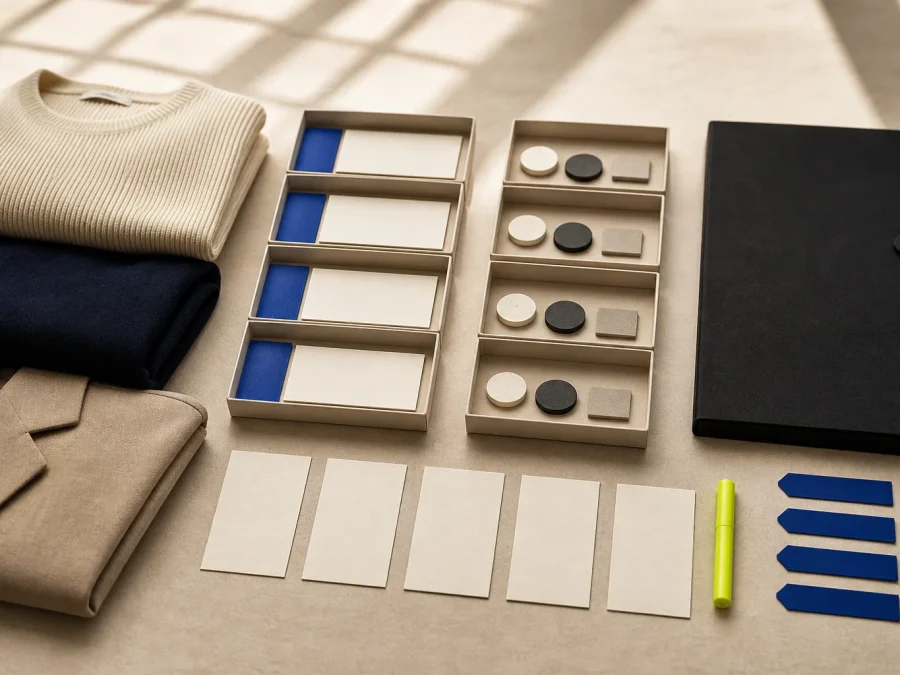
Capture one customer-safe primary reason, preserve evidence, separate item disposition, and measure against the right denominator before changing product or policy.
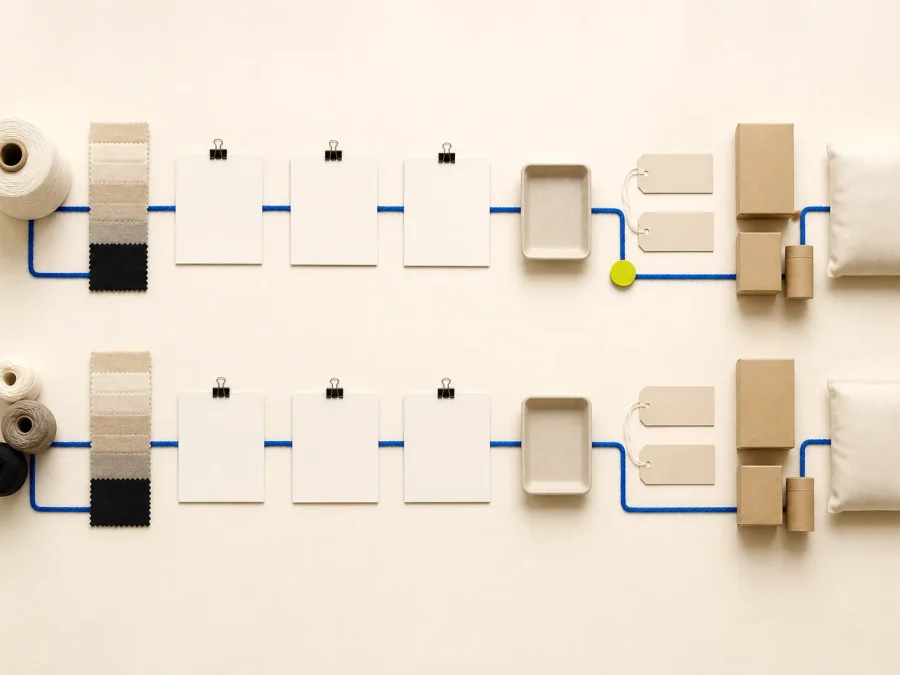
Moving production closer can change transit, communication, inventory, and recovery options. It does not verify a factory, establish origin, guarantee labor conditions, or make a product compliant.
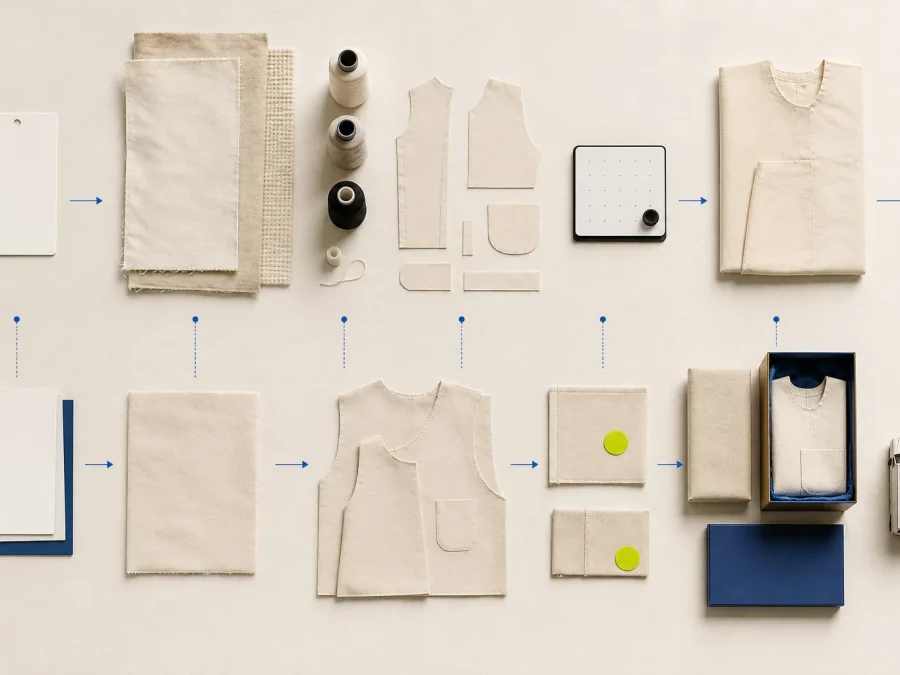
On-demand production does not remove inventory, setup, quality, capacity, or customer-promise risk; it relocates those decisions into a faster operating system that must be measured end to end.
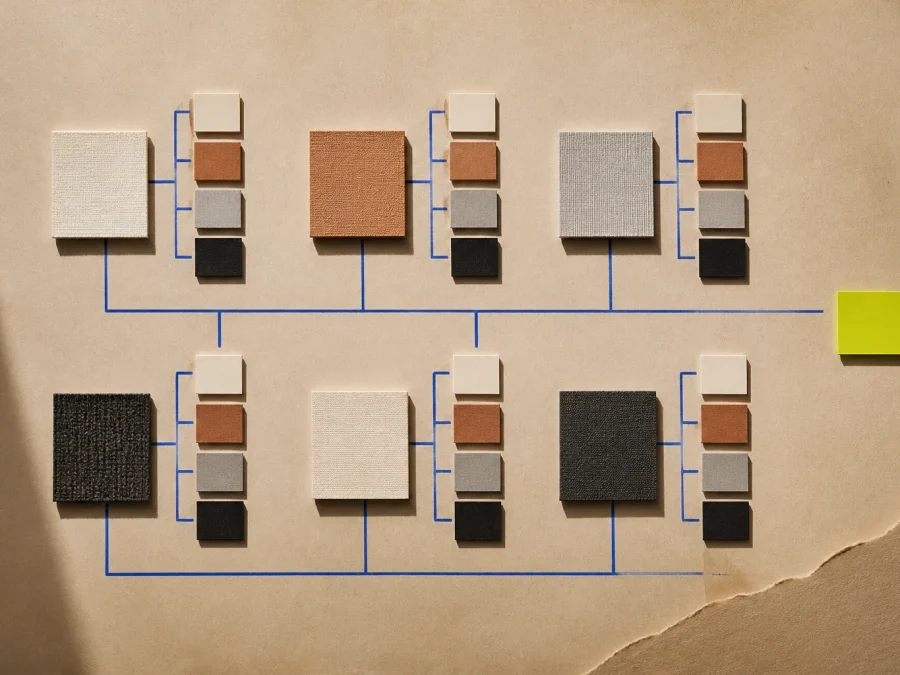
A SKU creates more than inventory value. It creates identity, receipt, count, content, replenishment, exception, and aging work that should be measured before an assortment expands.
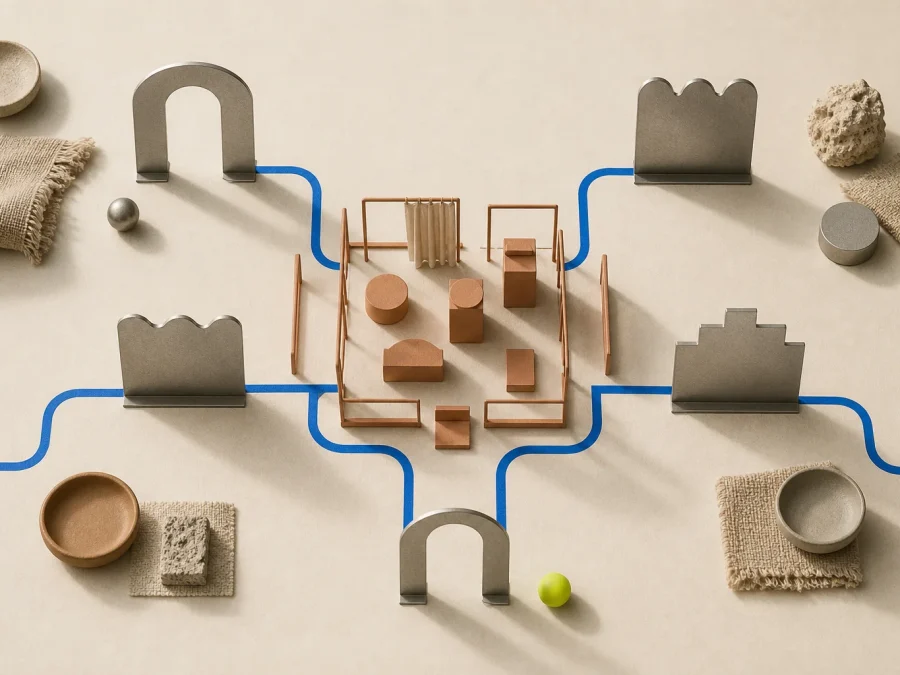
A Los Angeles pop-up is a location-specific retail operation whose venue authority, registrations, permits, accessibility, staffing, inventory, customer terms, and closeout must agree before opening.
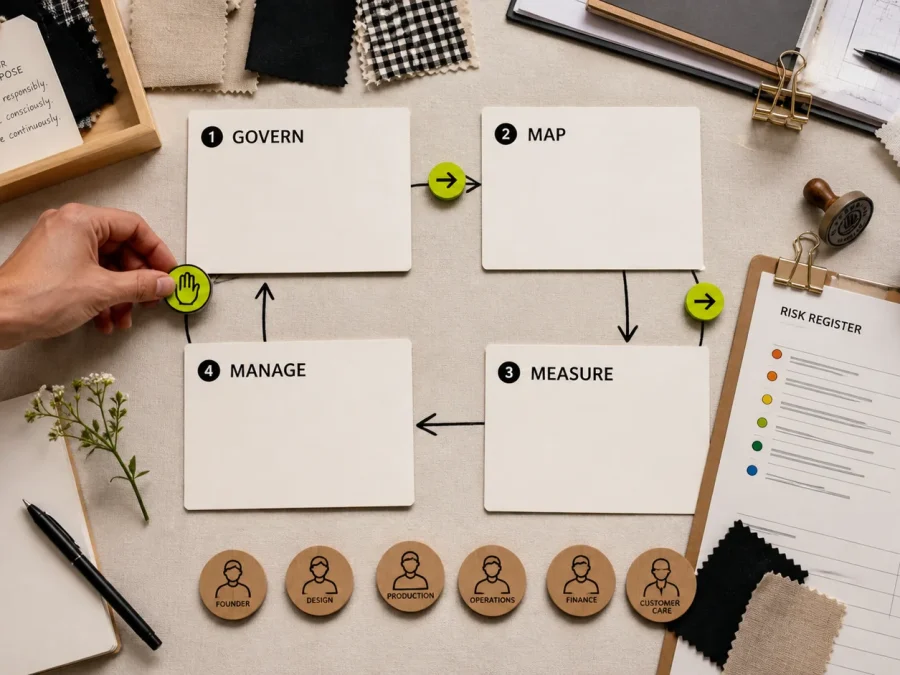
A usable policy names owners, inventories tools and data, separates low- and high-impact uses, sets evidence and disclosure rules, and gives people authority to pause or appeal a system.