Fashion × AI
Can AI Match a Brand With the Right Supplier?
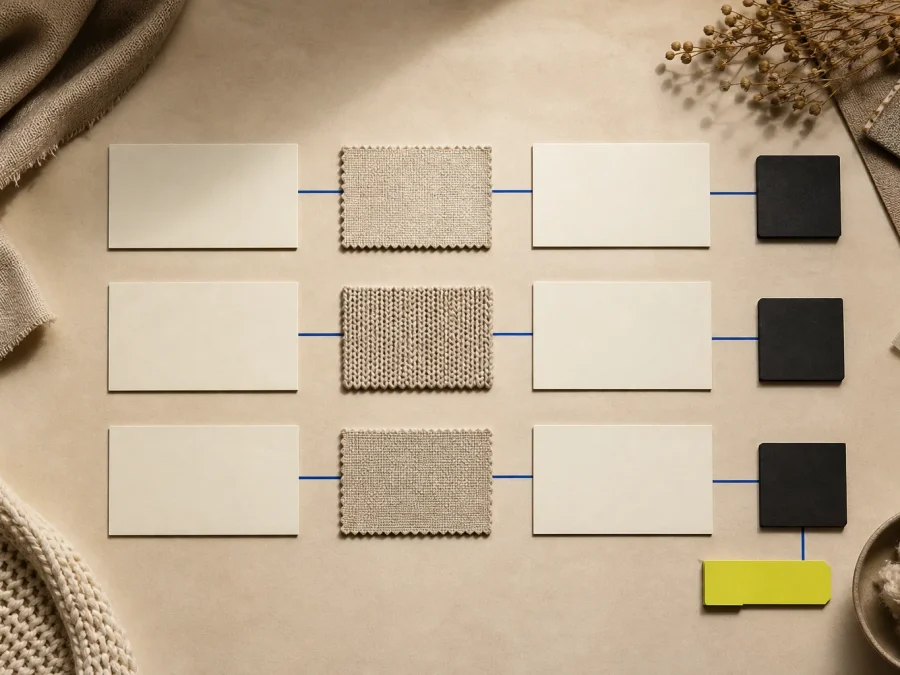
AI can organize a sourcing search, but a match is only research-ready when criteria, dated evidence, risk review, direct verification, ownership, and disqualifying facts remain visible.
AI can organize a sourcing search, but a match is only research-ready when criteria, dated evidence, risk review, direct verification, ownership, and disqualifying facts remain visible.
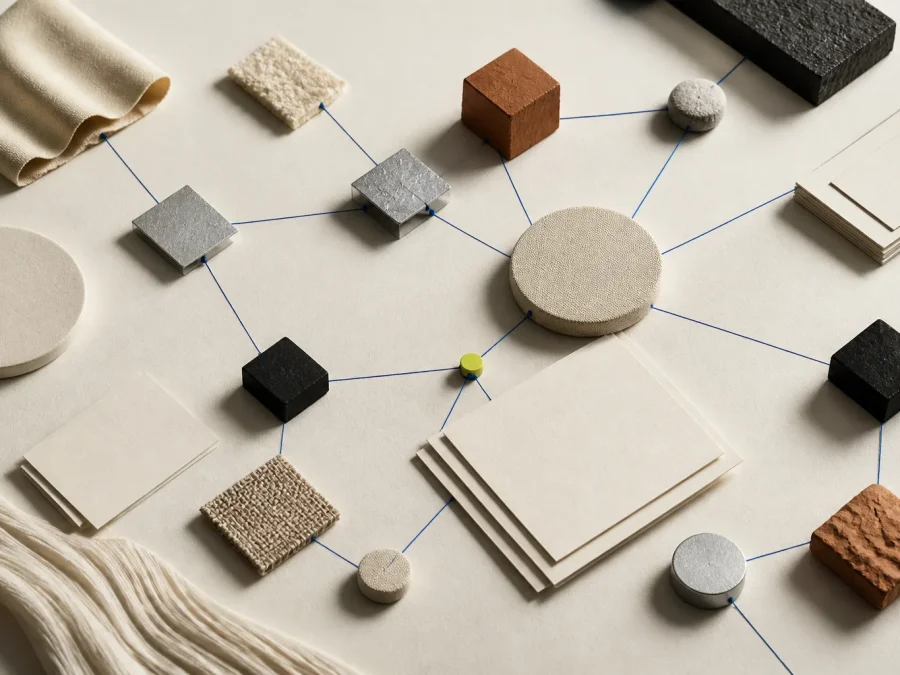
AI can collect and route dated risk signals, but it must preserve provenance, separate entities, invite correction, protect workers, and keep procurement and rights decisions with qualified people.
A wholesale score is useful only when it routes transparent business evidence to a salesperson—not when it predicts a person, hides exclusions, or triggers unsupervised outreach.
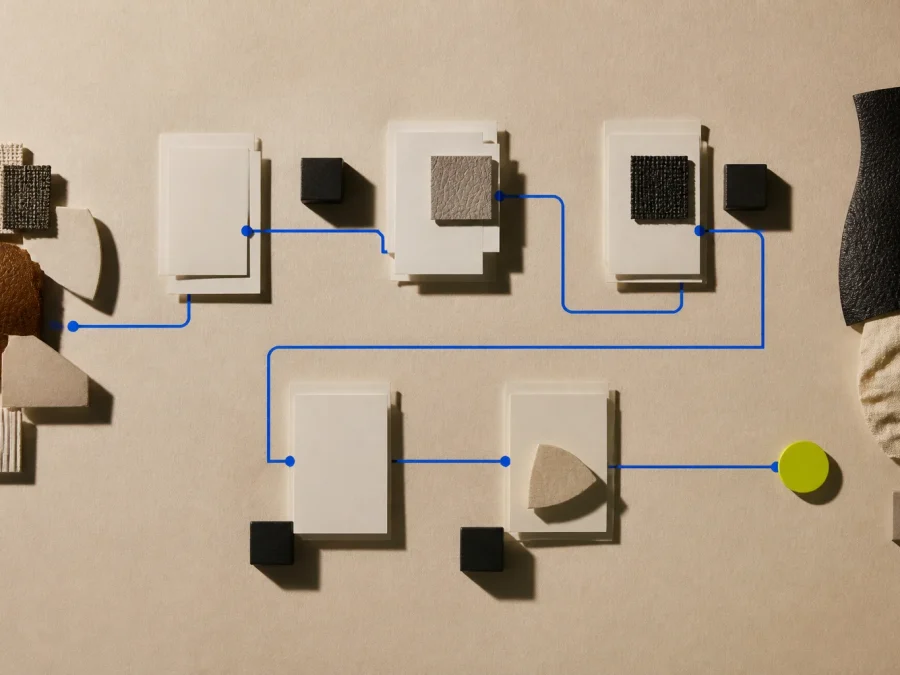
AI can organize evidence and route suspicious or incomplete resale listings, but authenticity still depends on item identity, provenance, physical inspection, category expertise, chain of custody, and an appeal path.
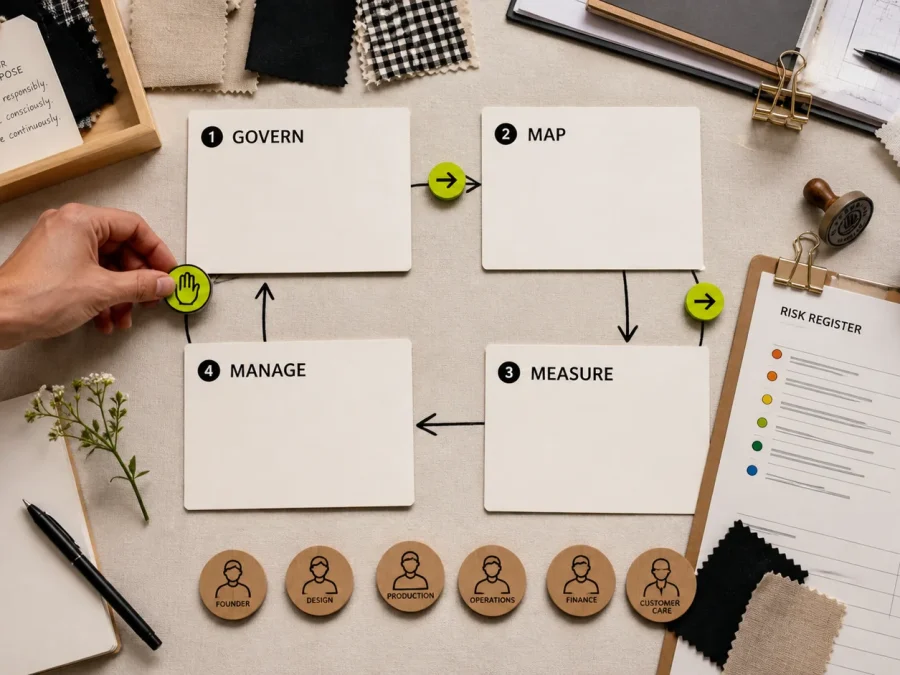
A usable policy names owners, inventories tools and data, separates low- and high-impact uses, sets evidence and disclosure rules, and gives people authority to pause or appeal a system.
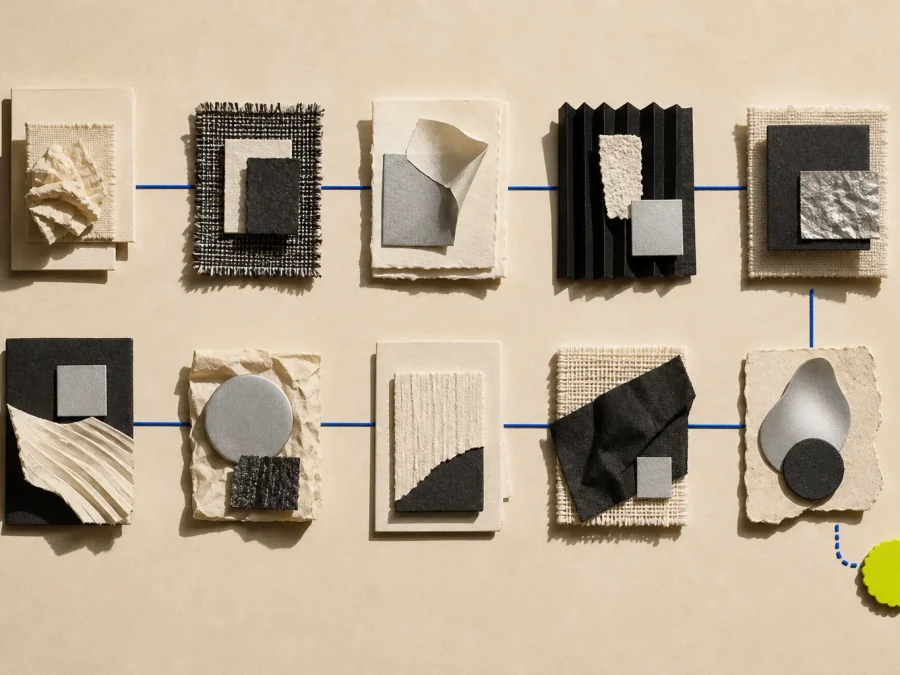
The most credible near-term changes are not science-fiction interfaces. They are shifts in product data, agentic distribution, provenance, evaluation, regulation, virtual representation, and visible human control.
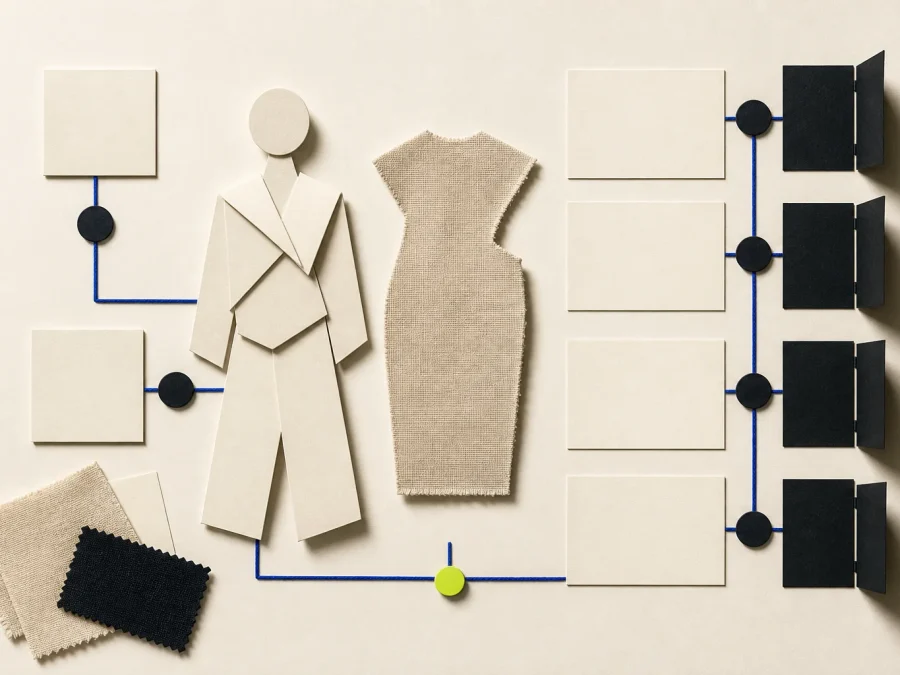
The apparent savings from generating a person can disappear into correction, product review, rights, consent, labor, disclosure, provenance, accessibility, and customer trust. The person in the image is not a disposable production input.
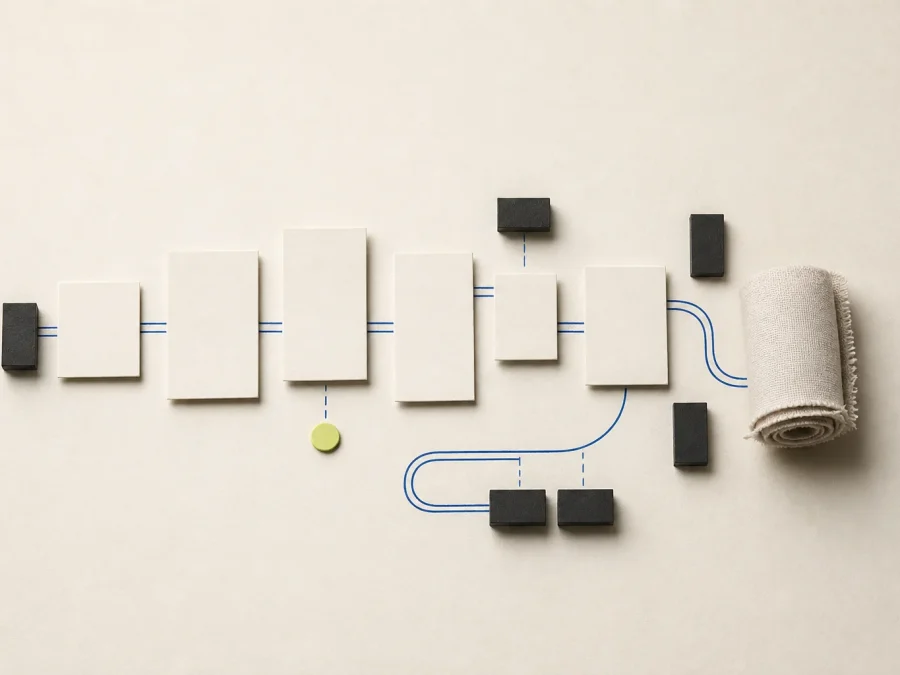
The correct comparison includes loaded labor, review, correction, tools, production, rights, disclosure, adaptation, and failed outputs—not only the price of a generation subscription.
The useful change is not an automatic buy plan. It is a weekly decision record that makes source freshness, forecast versions, exceptions, commercial inputs, ownership, and human approval visible.