
Business Retail
The Case for Fewer, Better Product Drops
Reducing launch frequency can concentrate product, inventory, service, and learning—but only when a brand measures the whole operating cycle instead of treating scarcity as a strategy.
Reducing launch frequency can concentrate product, inventory, service, and learning—but only when a brand measures the whole operating cycle instead of treating scarcity as a strategy.

Forecast cash by dated receipts and outflows—not sales and costs alone—then reconcile every opening balance, expose the lowest point, and hold decisions when evidence is weak.
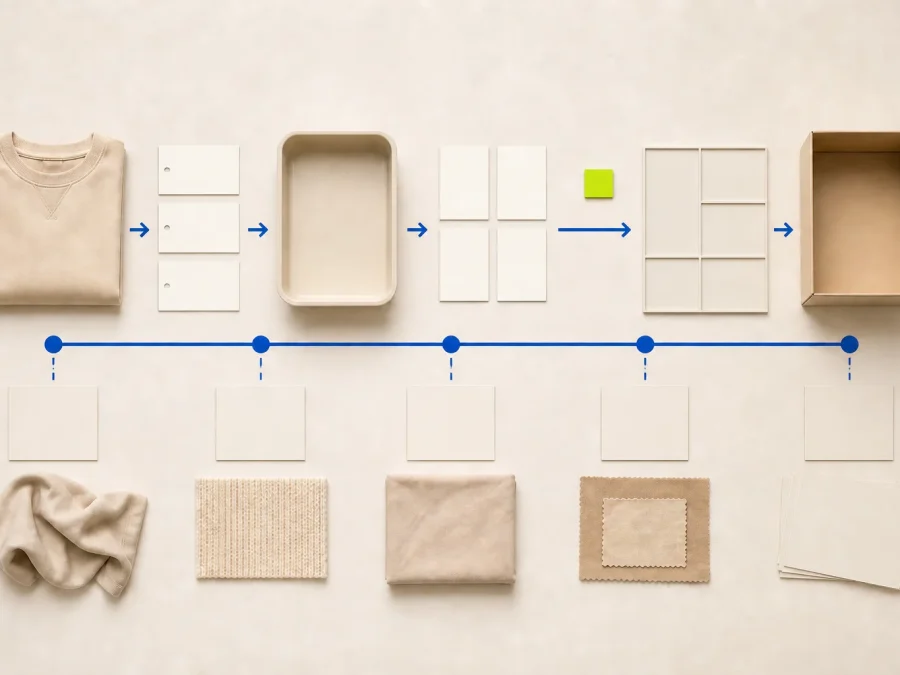
A return is product evidence, customer service, inventory movement, financial activity, and sometimes a safety signal. Treating it only as policy text wastes the information and increases risk.

Omnichannel is not being present everywhere. It is keeping product identity, inventory state, customer promises, orders, returns, and access controls coherent across the channels a small team can support.
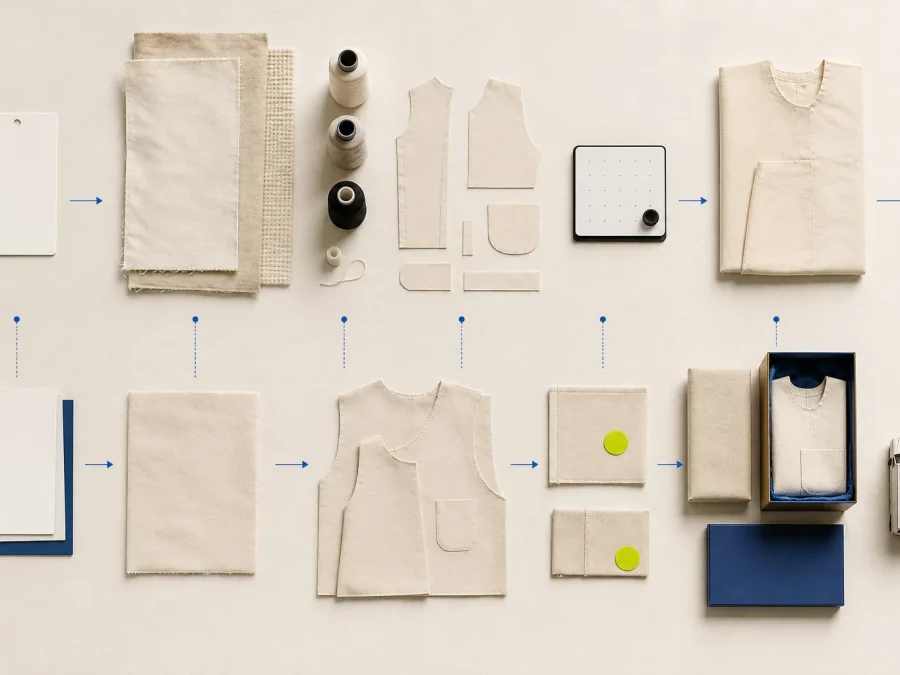
On-demand production does not remove inventory, setup, quality, capacity, or customer-promise risk; it relocates those decisions into a faster operating system that must be measured end to end.

Margin pressure is not one percentage. It is the cumulative effect of realized price, returns, product and inbound cost, channel service, fixed operating commitments, and cash timing.
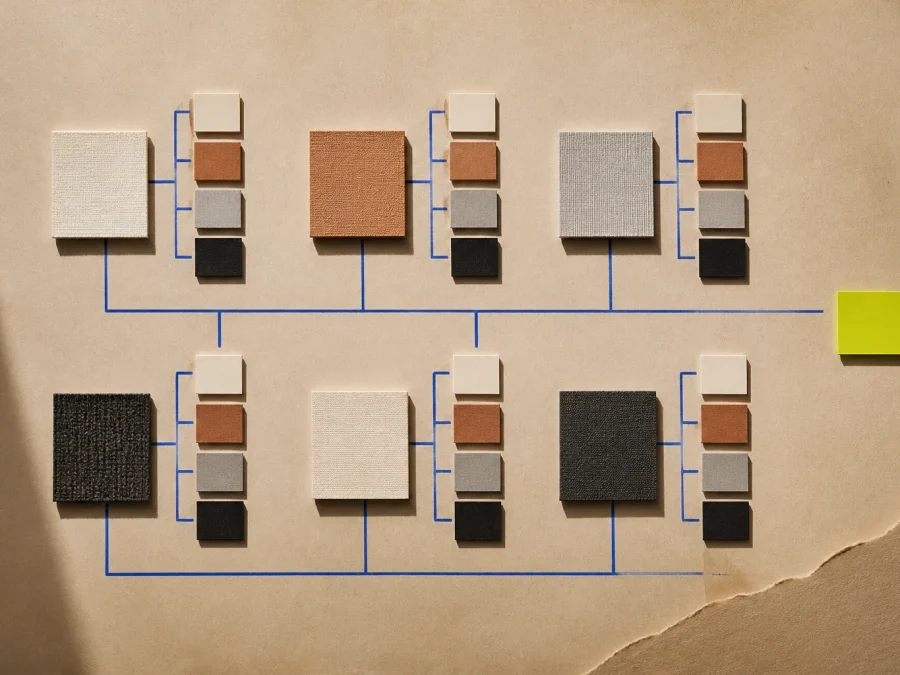
A SKU creates more than inventory value. It creates identity, receipt, count, content, replenishment, exception, and aging work that should be measured before an assortment expands.

Holiday dressing has to earn its place through occasion range, fit, material, price, delivery, margin, and return quality, but only direct buyer interviews and product samples can confirm the priorities.

Recent retailer results show that accessible price architecture can still produce growth, but the strategic opportunity is narrower than a simple middle-market comeback.

A healthy assortment is not a universal category percentage; it is a cash-aware system that separates core, test, seasonal, and exit inventory while preserving size and customer truth.