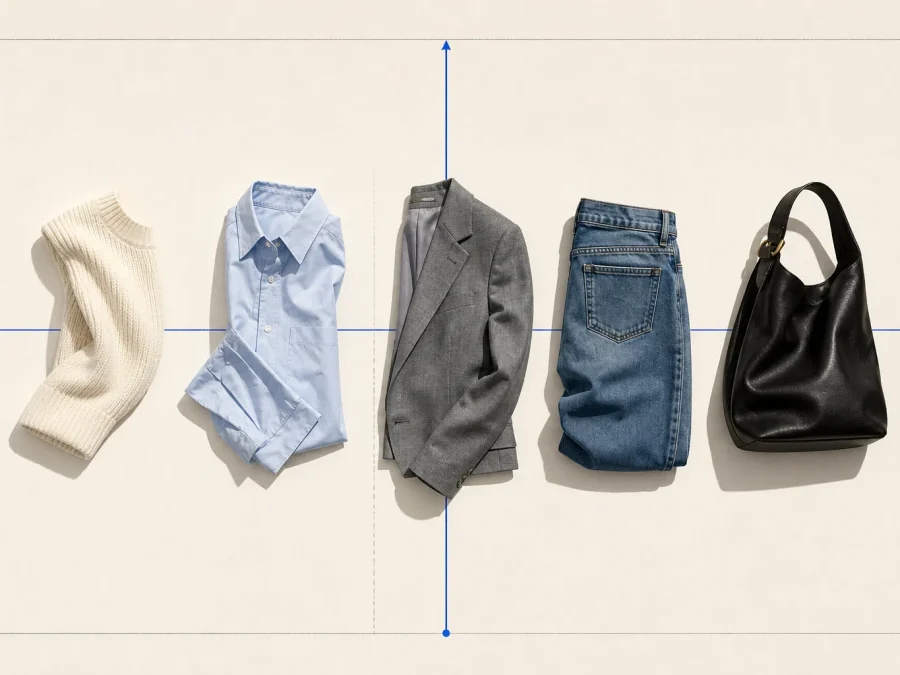
Business Retail
Why Midmarket Fashion Is Regaining Strategic Attention
Recent retailer results show that accessible price architecture can still produce growth, but the strategic opportunity is narrower than a simple middle-market comeback.
Start with what’s new. Find the reporting that helps with your next decision.
Recent retailer results show that accessible price architecture can still produce growth, but the strategic opportunity is narrower than a simple middle-market comeback.
A retailer-ready product record connects identity, variants, materials, care, logistics, terms, availability, images, rights, compliance, and version ownership without forcing the buyer to guess.
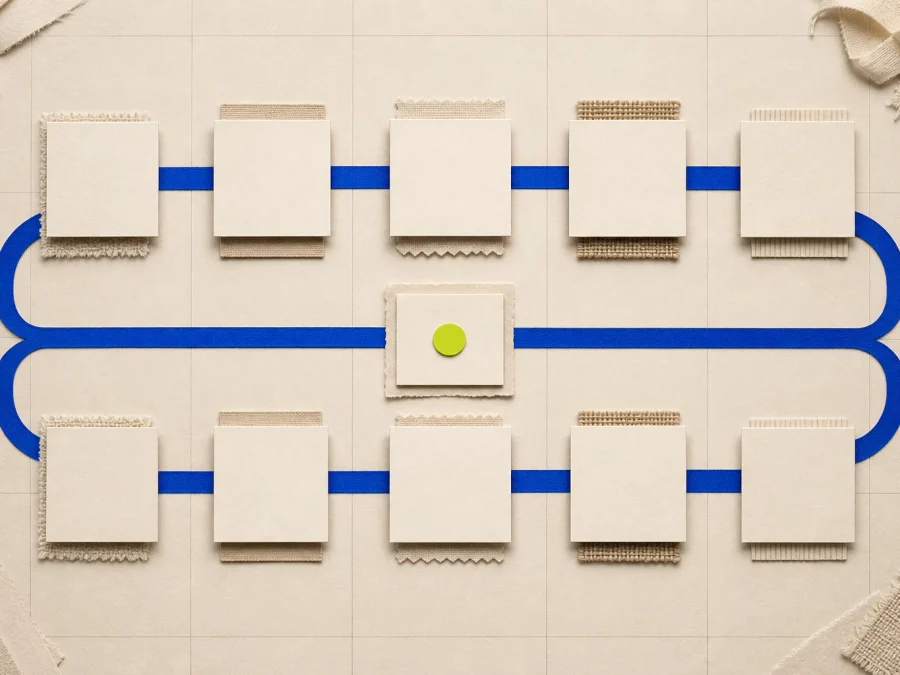
Compare the work a brand must complete across account approval, catalog, discovery, orders, shipping, returns, fees, data, and exit—not a single promotional claim or headline rate.
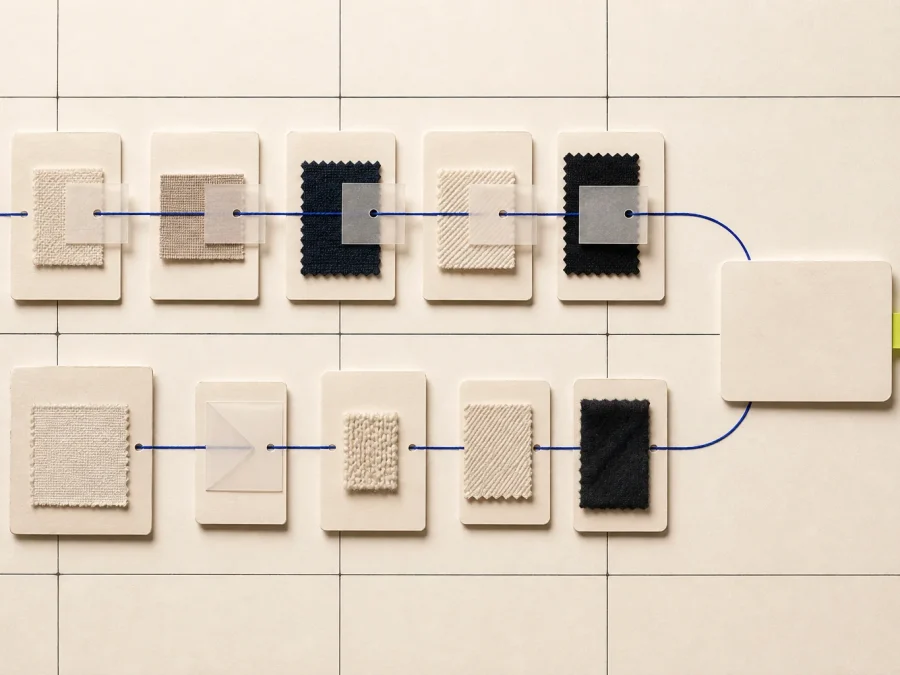
A marketplace and a direct wholesale channel allocate discovery, relationship, data, service, risk, and cost differently. Compare the operating system, not one headline fee.

A strong buyer meeting begins with a controlled assortment, answerable product facts, current terms, and a follow-up path—not a bigger pile of samples.
A Los Angeles pop-up is a location-specific retail operation whose venue authority, registrations, permits, accessibility, staffing, inventory, customer terms, and closeout must agree before opening.
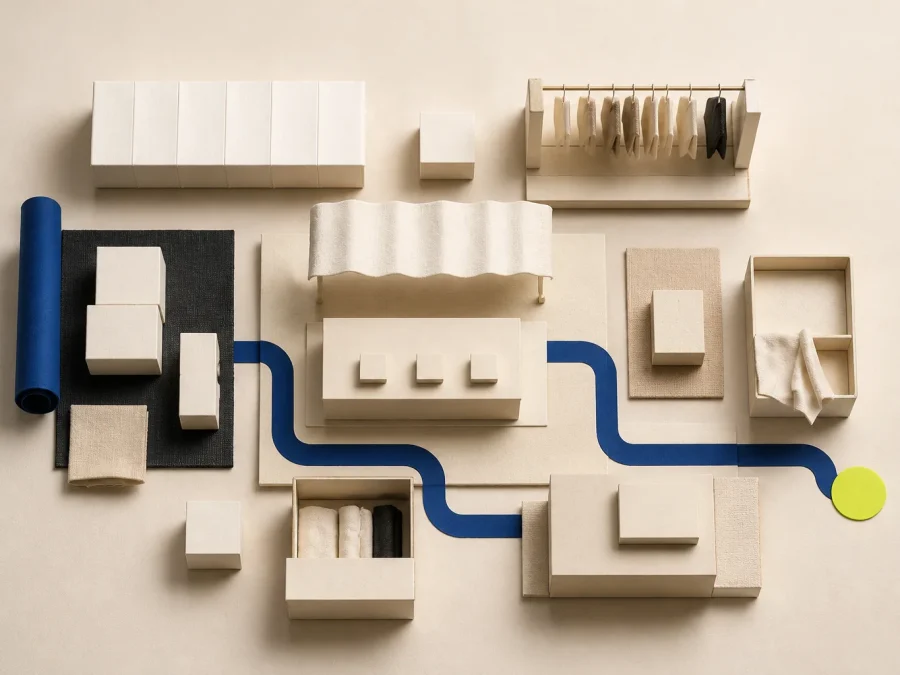
A pop-up is a temporary operating system, not inexpensive rent with a sales table. Its real economics include site approval, labor, inventory, returns, insurance, customer capture, closeout, and cash timing.
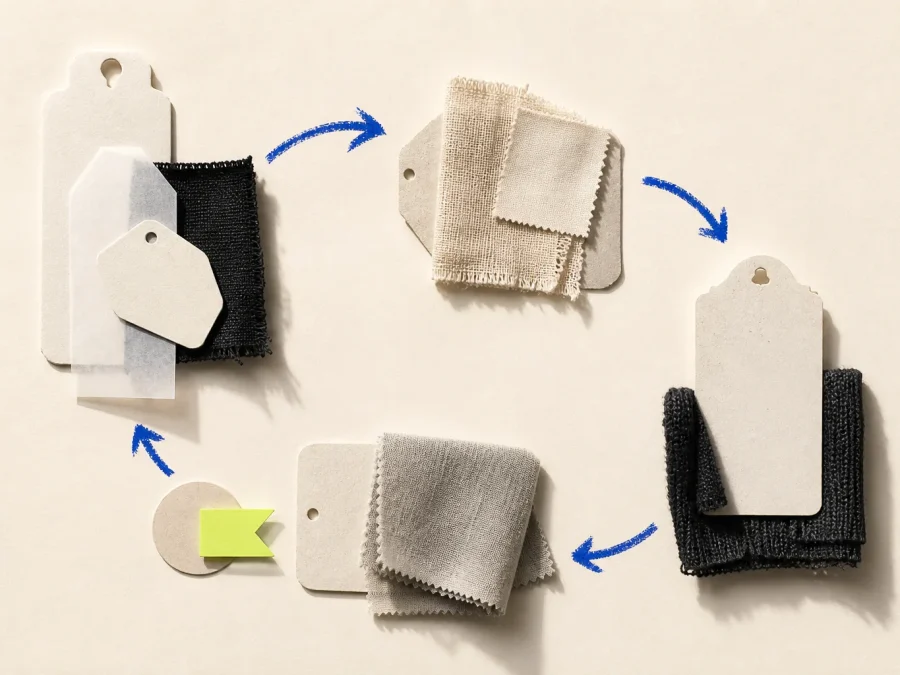
Resale can extend a product relationship, but only after a brand can identify, acquire, inspect, describe, price, service, and trace every used unit responsibly.

A useful loyalty program is a product with explicit earning, redemption, returns, privacy, contact, accessibility, accounting, and exit rules—not a discount wrapped around a customer database.
Retention is not a single dashboard percentage. It is a cohort, identity, product, service, returns, consent, and evidence problem that fashion teams can make operational.
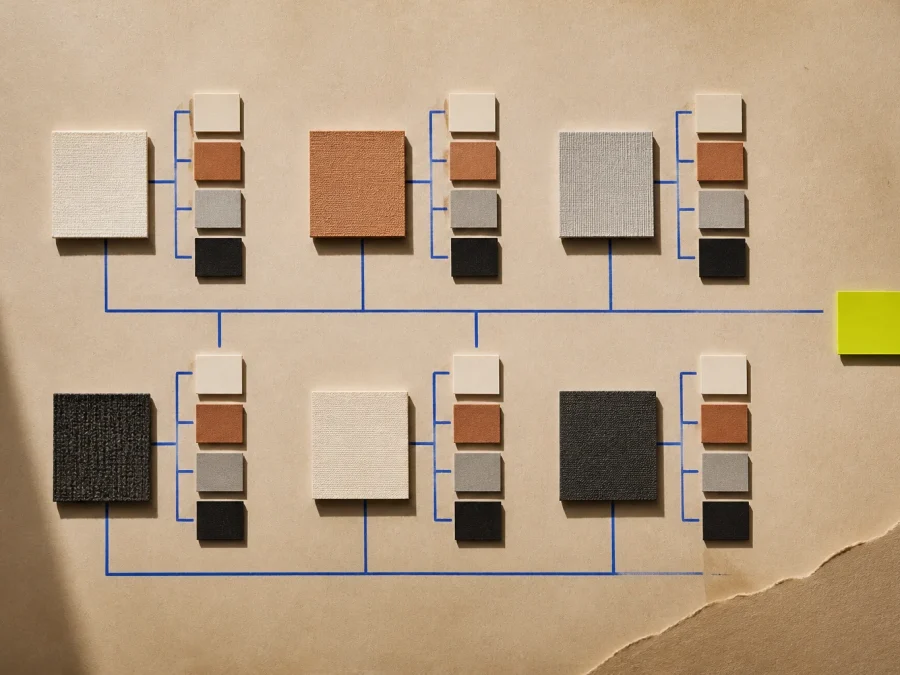
A SKU creates more than inventory value. It creates identity, receipt, count, content, replenishment, exception, and aging work that should be measured before an assortment expands.
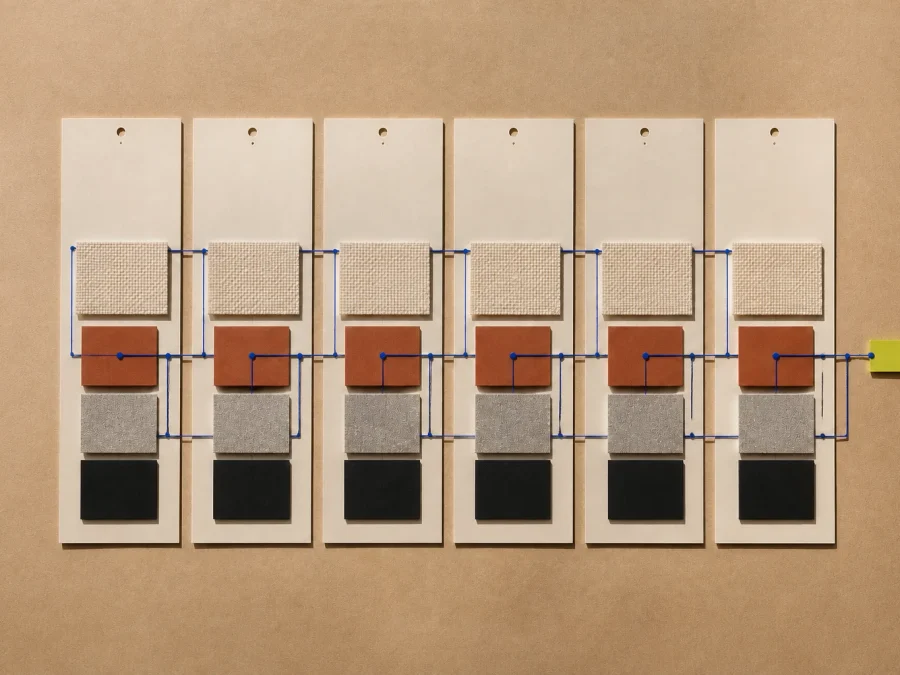
A useful open-to-buy plan connects sales, markdowns, inventory targets, on-order commitments, cash, and category decisions on one consistent basis. It is a control system, not a demand prophecy.